When handling ammonium chloride, selecting the appropriate pneumatic conveying system is crucial for efficiency and safety. Two primary methods are commonly considered: positive pressure and negative pressure systems. Understanding the differences and how to choose between them is essential for optimizing material transport in industrial applications.
About HeadPowder Engineering
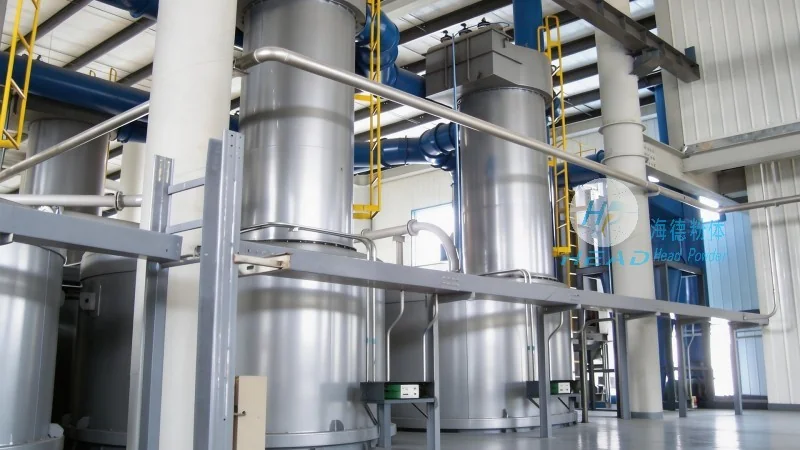
HeadPowder, a leading provider of material handling solutions, specializes in designing and implementing efficient pneumatic conveying systems. With a focus on industrial applications, the company offers tailored solutions for various bulk materials, including ammonium chloride. HeadPowder Engineering is headquartered in Shandong, China, and has extensive experience in the field of pneumatic transport technology.
Positive Pressure Pneumatic Conveying for Ammonium Chloride
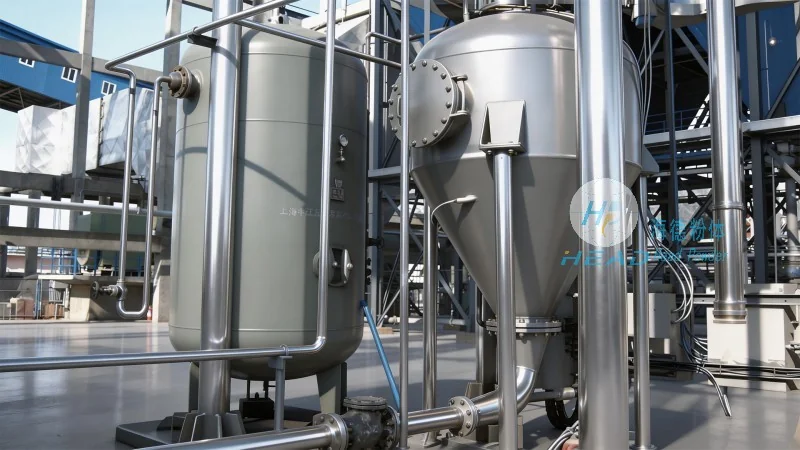
Positive pressure systems operate by blowing air or a carrier gas into the conveying line, creating a pressure higher than the ambient air. This method is particularly effective for transporting ammonium chloride over long distances or through complex piping networks. The high-pressure environment ensures that the material is continuously moved, reducing the risk of blockages and ensuring consistent flow rates. For ammonium chloride, which can be hygroscopic and prone to dust generation, positive pressure systems often incorporate features like moisture control and dust suppression to maintain material quality and safety.
Negative Pressure Pneumatic Conveying for Ammonium Chloride
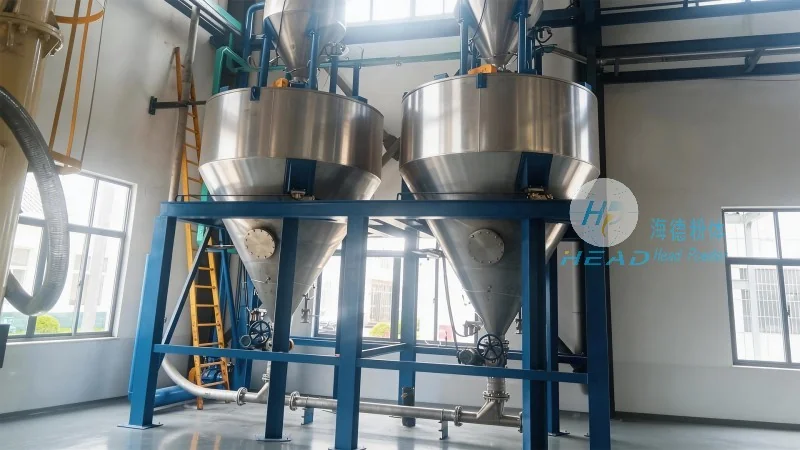
Negative pressure systems, also known as vacuum conveying, work by creating a vacuum in the conveying line, drawing material from the source into the system. This approach is well-suited for short-distance transport or when the material needs to be collected from multiple points. Negative pressure systems are generally quieter and can handle more delicate materials without causing excessive wear. However, for ammonium chloride, which may generate dust or require controlled moisture levels, negative pressure systems might need additional filtration and drying equipment to prevent material degradation.
Distinguishing Between Positive and Negative Pressure Systems for Ammonium Chloride
Several key factors help in distinguishing between positive and negative pressure systems when dealing with ammonium chloride. First, consider the distance and layout of the conveying path. Positive pressure is ideal for long, complex routes, while negative pressure is better for shorter, simpler setups. Second, evaluate the material characteristics. Ammonium chloride's hygroscopic nature and potential dust generation make positive pressure systems more suitable if moisture control is critical. Third, assess operational noise and maintenance requirements. Negative pressure systems are typically quieter but may require more frequent filter changes. Fourth, consider the cost and energy consumption. Positive pressure systems often use more energy due to higher air pressure, whereas negative pressure systems may have lower operational costs but higher initial setup costs for vacuum equipment.
Conclusion: Making the Right Choice for Ammonium Chloride Pneumatic Conveying
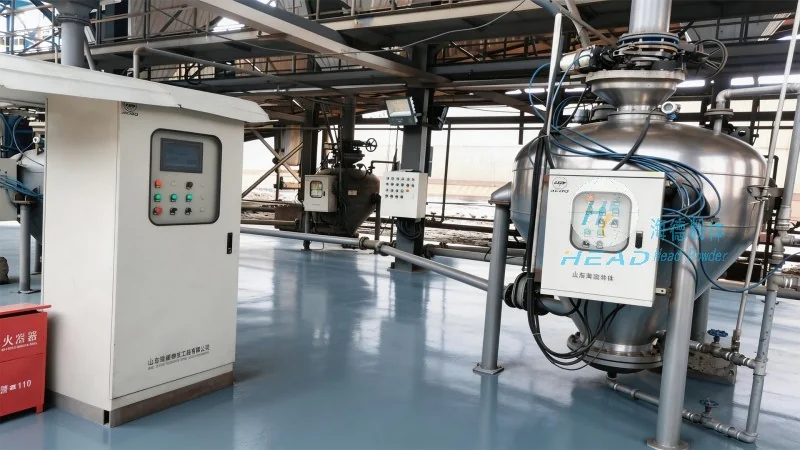
Choosing between positive pressure and negative pressure for ammonium chloride pneumatic conveying depends on a combination of operational needs, material properties, and system requirements. HeadPowder Engineering provides expert guidance and customized solutions to help clients select the most appropriate system. By understanding the differences in pressure, material handling capabilities, and operational considerations, industrial facilities can optimize their ammonium chloride transport processes, ensuring efficiency, safety, and material integrity. With a strong presence in Shandong, China, HeadPowder continues to deliver reliable and effective pneumatic conveying solutions for a wide range of industrial applications.




