Molybdenum oxide, a critical industrial material used in various applications such as catalysts, pigments, and high-temperature ceramics, often requires efficient and reliable material handling solutions. Pneumatic conveying is a widely adopted method for transporting molybdenum oxide, offering advantages like dust-free operation and the ability to handle fine powders. However, the choice between positive pressure and negative pressure systems can significantly impact system performance, cost, and safety. This article aims to provide a comprehensive guide to help you understand the differences between these two approaches and make an informed decision for your molybdenum oxide handling needs.
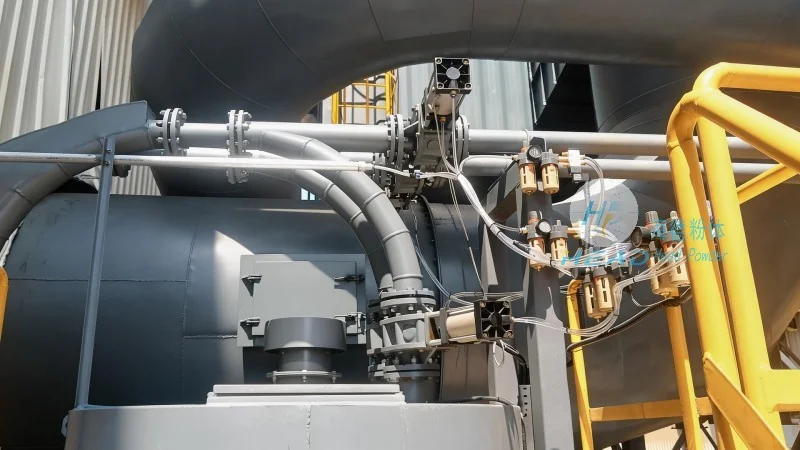
Understanding Pneumatic Conveying Basics
Pneumatic conveying systems use air or gas to transport bulk materials through a pipeline. The primary goal is to move the material from a source to a destination without the need for mechanical components like conveyors or elevators. The two main types of pneumatic conveying systems are positive pressure and negative pressure, each with distinct operational principles and applications.
Positive Pressure Pneumatic Conveying
Positive pressure systems operate by blowing air or gas into the conveying line, creating a pressure higher than the ambient air pressure. The material is fed into the line and carried by the moving air stream. This method is particularly effective for transporting materials over long distances or through complex piping networks. The high pressure ensures that the material is continuously pushed forward, reducing the risk of clogging and ensuring consistent flow rates.
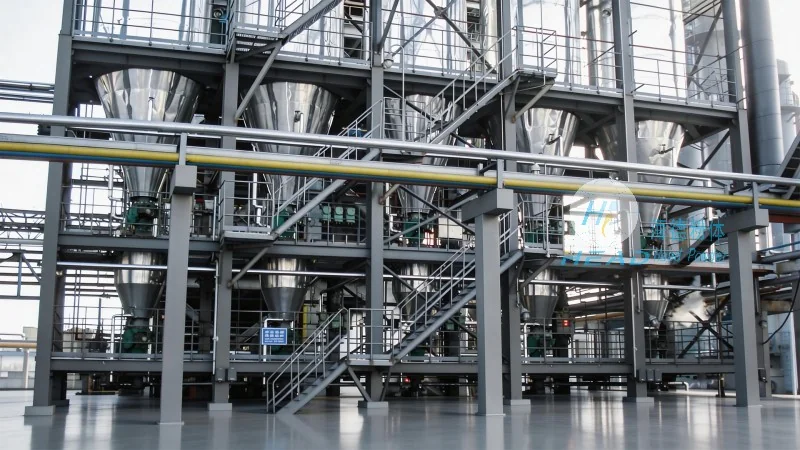
For molybdenum oxide, positive pressure systems are often preferred when dealing with large quantities or when the material needs to be transported to multiple destinations. The continuous airflow maintains the material in suspension, preventing agglomeration and ensuring a smooth transfer. Additionally, positive pressure systems are generally easier to install and maintain, as they do not require complex vacuum equipment.
Negative Pressure Pneumatic Conveying
Negative pressure systems, also known as vacuum systems, operate by creating a vacuum in the conveying line, drawing material from the source into the system. The material is then transported to the destination by the suction created by the vacuum pump. This method is ideal for applications where the material needs to be collected from multiple points or where the destination is at a lower elevation than the source.
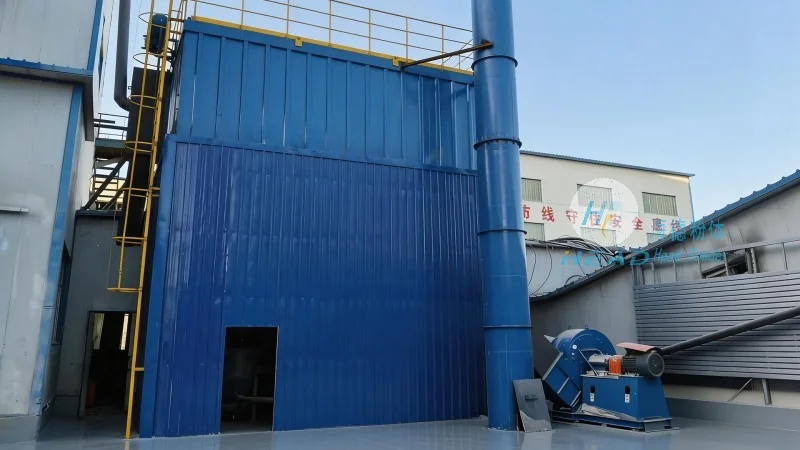
When handling molybdenum oxide, negative pressure systems are commonly used in scenarios requiring gentle material handling, such as when the material is sensitive to high pressure or when the system needs to be integrated with existing vacuum equipment. The vacuum approach minimizes the risk of material degradation and ensures that the material remains in a fine, consistent state throughout the conveying process.
Distinguishing Between Positive and Negative Pressure Systems
Choosing between positive and negative pressure systems for molybdenum oxide depends on several factors, including the material characteristics, system layout, and operational requirements. Here are key considerations to help you make the right choice:
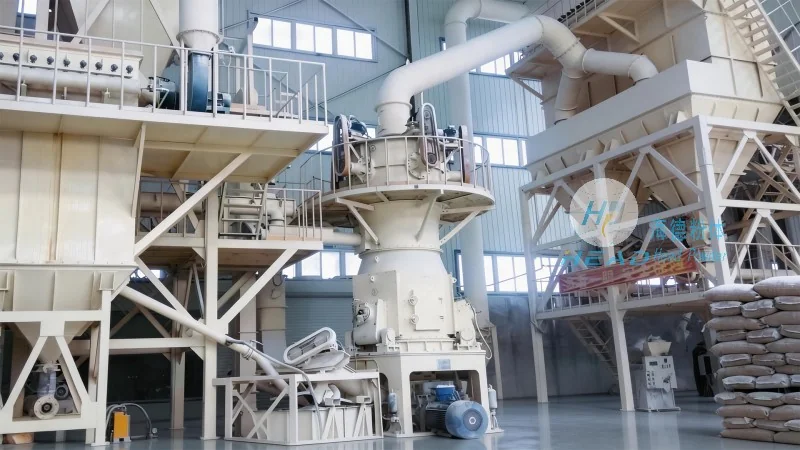
- Material Properties: Molybdenum oxide is a fine powder with specific flow characteristics. Positive pressure systems are better suited for materials that are free-flowing and non-abrasive, as they can handle higher flow rates without excessive wear. Negative pressure systems are more suitable for materials that are cohesive or have a tendency to agglomerate, as the gentle suction helps maintain particle integrity.
- System Layout and Distance: The distance and complexity of the conveying line are critical factors. Positive pressure systems are more efficient for long-distance transport, as the pressure can be maintained throughout the pipeline. Negative pressure systems are better for shorter distances or when the material needs to be collected from multiple sources, as the vacuum can effectively draw material from various points.
- Energy Consumption and Cost: Positive pressure systems typically consume more energy due to the need to generate high-pressure air or gas. However, they are often more cost-effective for long-term operations, as they require less maintenance and have lower downtime. Negative pressure systems may have lower initial energy costs but can be more expensive to maintain due to the wear on vacuum pumps and the need for regular filter replacements.
- Environmental and Safety Considerations: Both systems offer dust-free operation, but negative pressure systems may pose a higher risk of dust inhalation if not properly sealed. Positive pressure systems, on the other hand, can create a slight pressure differential that helps prevent external contaminants from entering the system. For molybdenum oxide, which is a fine powder, the choice should also consider the potential for dust exposure and the need for proper ventilation and filtration.
Application Examples for Molybdenum Oxide Handling
Understanding the specific needs of your molybdenum oxide application is essential for selecting the appropriate pneumatic conveying system. Here are some common scenarios where each system is typically used:
For example, in a large-scale production facility where molybdenum oxide is processed and then transported to a storage silo or a processing plant, a positive pressure system might be preferred. The long pipeline and the need to maintain consistent flow rates make the high-pressure approach more efficient. Conversely, in a laboratory or a small-scale production environment where the material is collected from multiple sampling points and needs to be transported to a central analysis unit, a negative pressure system could be more suitable. The gentle suction helps prevent material loss and ensures that the fine particles remain intact.




