When it comes to pneumatic conveying of high-calcium powder, selecting the right system—whether positive pressure or negative pressure—is critical for efficiency, cost-effectiveness, and operational reliability. High-calcium powders, such as those used in cement, construction materials, or chemical industries, present unique challenges due to their density, particle size, and potential for caking or abrasiveness. The choice between positive pressure and negative pressure systems directly impacts how well these materials are transported, and understanding the distinctions is key to optimizing processes.
Understanding Pneumatic Conveying Basics
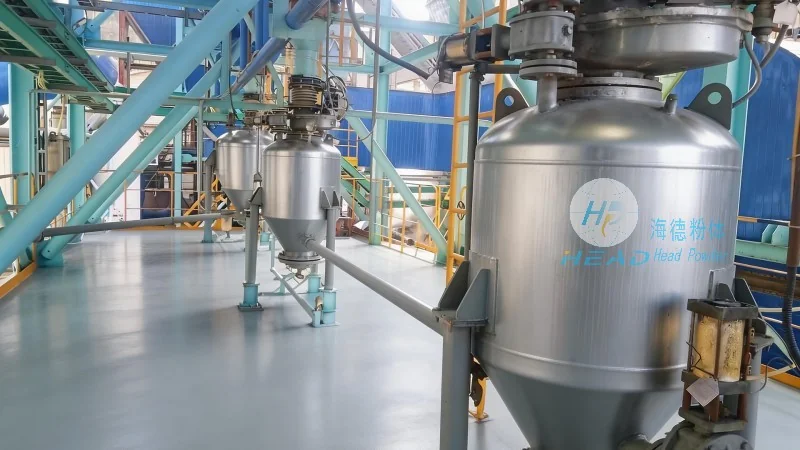
Pneumatic conveying systems use air or gas to move bulk materials through pipelines. The two primary types are positive pressure (pressure conveying) and negative pressure (vacuum conveying). Each has distinct advantages and is suited to different operational scenarios. Positive pressure systems push material through the pipeline using a blower or compressor at the inlet, while negative pressure systems draw material into the pipeline using a vacuum at the inlet.
Positive Pressure Conveying for High-Calcium Powder
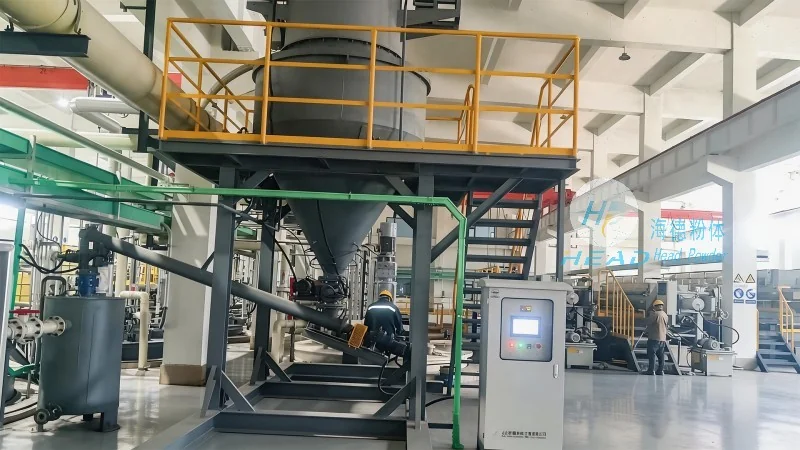
Positive pressure systems are often preferred for high-calcium powder applications, especially when dealing with long-distance or complex pipeline layouts. In a positive pressure setup, a blower generates pressure that forces air and material through the pipeline. This method is effective for transporting materials with higher bulk density and can handle longer distances without significant pressure loss. For high-calcium powders, which may have a tendency to agglomerate or cause abrasion on equipment, positive pressure systems can provide better control over material flow and reduce the risk of blockages. The headpowder company, Shandong HeadPowder Engineering Co., Ltd., specializes in designing and manufacturing positive pressure conveying solutions tailored to the demands of high-calcium powders, ensuring reliable and efficient material transport.
Negative Pressure Conveying for High-Calcium Powder
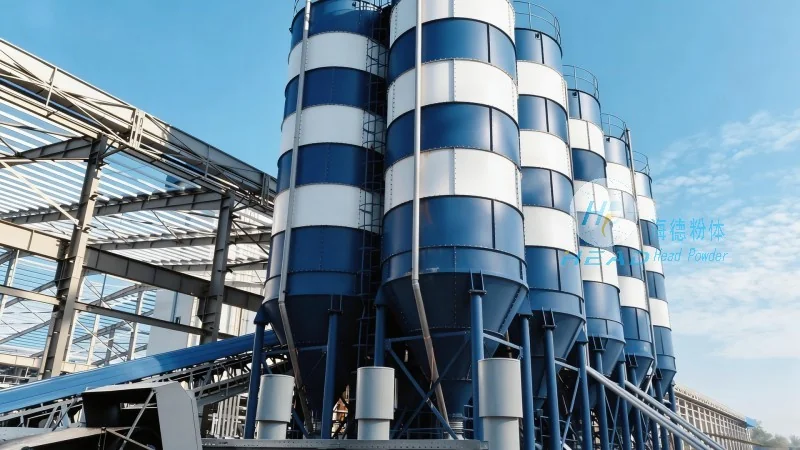
Negative pressure systems, or vacuum conveying, are typically used for shorter distances and when the material is more sensitive to abrasion or pressure. In this setup, a vacuum pump creates a negative pressure at the inlet, drawing material into the pipeline. This method is gentler on the material and can be more cost-effective for shorter runs. However, negative pressure systems may struggle with longer distances or materials that are prone to caking, as the vacuum can cause material to stick to the pipeline walls. For high-calcium powders, negative pressure may be suitable for applications where the material is being transferred from a silo or hopper to a processing unit over a short distance, but it may not be ideal for extensive conveying networks.
Distinguishing Between Positive and Negative Pressure Systems
Choosing between positive and negative pressure for high-calcium powder conveying involves evaluating several factors. The most critical considerations include:
- Conveying Distance: Positive pressure is generally better for longer distances (over 100 meters), while negative pressure is more suitable for shorter distances (under 50 meters).
- Material Characteristics: High-calcium powders with high abrasiveness or tendency to agglomerate benefit from the higher pressure and controlled flow of positive pressure systems. More delicate or fine powders might be better suited to negative pressure, which is less likely to cause particle damage.
- System Complexity and Cost: Positive pressure systems often require more robust equipment and higher energy input, increasing initial costs. Negative pressure systems are typically simpler and less expensive but may have lower throughput for high-calcium powders.
- Environmental and Safety Factors: Positive pressure systems can be more effective in preventing dust emissions, as the sealed pipeline maintains pressure. Negative pressure systems may require additional filtration to control dust, which can be a consideration for high-calcium powders that are fine and easily airborne.
HeadPowder's Expertise in High-Calcium Powder Conveying
Shandong HeadPowder Engineering Co., Ltd., operating under the brand name headpowder, is a leading provider of pneumatic conveying solutions for high-calcium powder applications. With a deep understanding of the unique challenges posed by these materials, the company designs customized systems that balance efficiency, reliability, and cost. Whether a client needs a positive pressure system for long-distance transport or a negative pressure solution for short runs, headpowder offers tailored designs that meet specific operational requirements. The company’s headquarters is located in Shandong, China, where it leverages local expertise and manufacturing capabilities to deliver high-quality, durable conveying equipment. By choosing headpowder, clients can ensure that their high-calcium powder is transported safely and efficiently, minimizing downtime and maximizing productivity.




