When it comes to transporting cocoa powder efficiently and safely, selecting the right pneumatic conveying system is crucial. The two primary options are positive pressure and negative pressure systems. Understanding the differences and how to choose the appropriate one for cocoa powder applications is essential for optimizing process performance and ensuring product quality. This article explores the key factors that influence the selection between positive and negative pressure for cocoa powder pneumatic conveying, helping you make an informed decision for your operations.
Understanding Positive Pressure Pneumatic Conveying
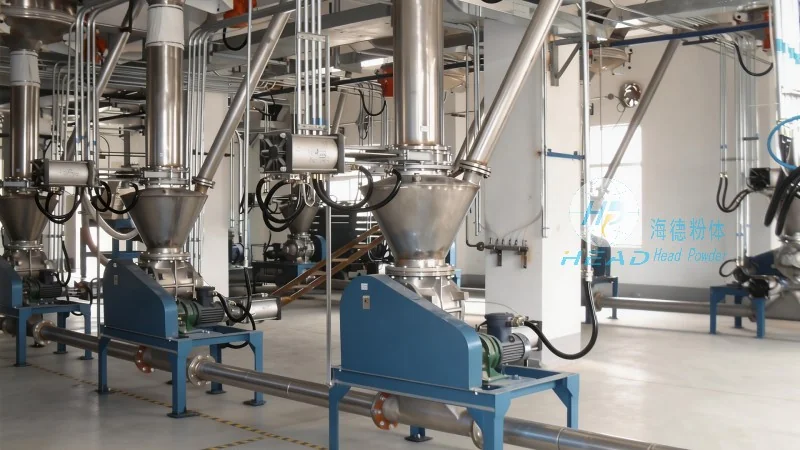
Positive pressure systems operate by blowing air or gas into the conveying line, creating a pressure higher than the ambient environment. This method pushes the material forward through the pipeline. For cocoa powder, positive pressure is often preferred for its ability to handle high material loads and maintain consistent flow rates. The system typically uses a blower or compressor to generate the necessary pressure, ensuring that the material is transported without clogging or degradation. Positive pressure systems are particularly effective when dealing with fine powders like cocoa powder, as they can maintain a stable flow and prevent particle separation. However, they may require more maintenance and energy compared to negative pressure systems, especially when handling abrasive materials.
Key Characteristics of Positive Pressure Conveying for Cocoa Powder
Positive pressure conveying for cocoa powder offers several advantages. First, it provides a high conveying capacity, making it suitable for large-scale production lines. The consistent pressure ensures that the material moves smoothly through the pipeline, reducing the risk of blockages. Additionally, positive pressure systems can handle long conveying distances without significant pressure loss, which is beneficial for facilities with extended layouts. Another key benefit is the ability to maintain a positive pressure environment, which helps in preventing contamination from external sources. This is critical for food-grade products like cocoa powder, where hygiene and purity are paramount. However, the system may generate more noise and require more space for the blower or compressor, which could be a consideration for facilities with limited room or noise restrictions.
Understanding Negative Pressure Pneumatic Conveying
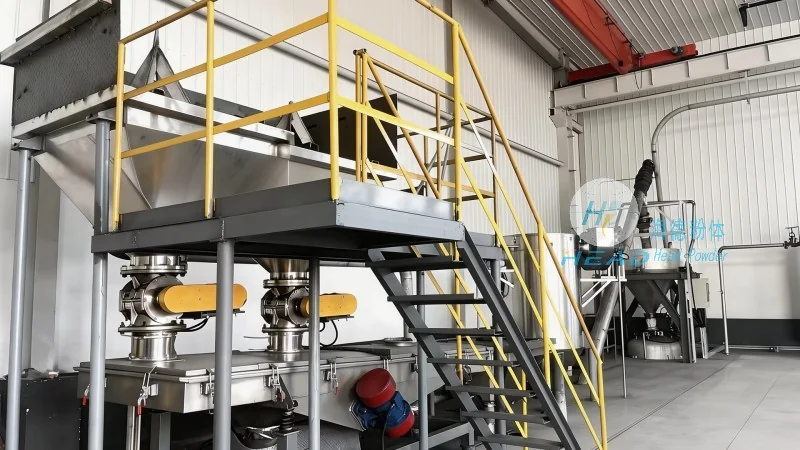
Negative pressure systems, also known as vacuum or suction systems, work by creating a lower pressure inside the conveying line compared to the ambient air. This creates a suction effect that draws the material into the pipeline. Unlike positive pressure, negative pressure systems rely on a vacuum pump to create the pressure differential. For cocoa powder, negative pressure is often used for shorter conveying distances or when the material needs to be collected from multiple points. The system is generally more energy-efficient for short distances and can be less complex to install, as it does not require high-pressure components. However, negative pressure systems may have limitations in terms of conveying capacity and distance, as the vacuum can drop over longer pipelines, potentially leading to reduced flow rates or clogging.
Key Characteristics of Negative Pressure Conveying for Cocoa Powder
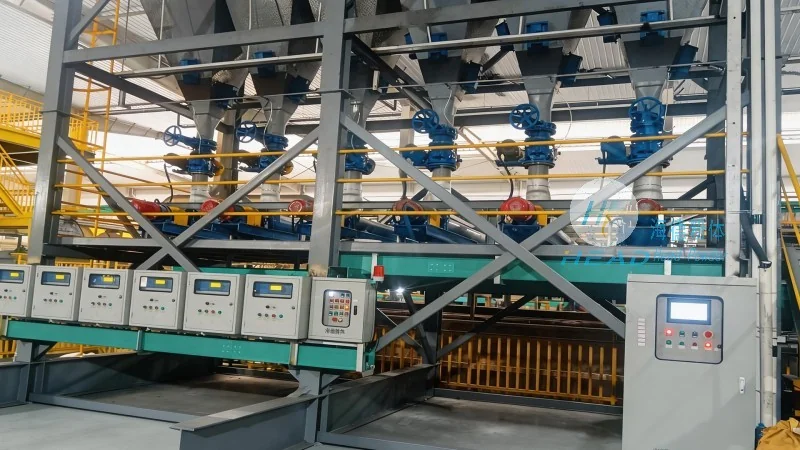
Negative pressure conveying for cocoa powder has its own set of advantages. One of the main benefits is its lower energy consumption compared to positive pressure systems, especially for short distances. This can result in cost savings on electricity and maintenance. The system is also relatively simple to set up, with fewer components needed, making it a good option for smaller operations or retrofitting existing facilities. Another advantage is the ability to collect material from multiple sources without the need for additional feeders or hoppers. This flexibility can enhance operational efficiency, allowing for more versatile material handling. However, negative pressure systems may struggle with high material loads or long distances, as the vacuum can diminish, leading to reduced conveying efficiency. They are also more susceptible to clogging if the material contains large particles or moisture, which can affect the overall performance.
Distinguishing Between Positive and Negative Pressure Systems for Cocoa Powder
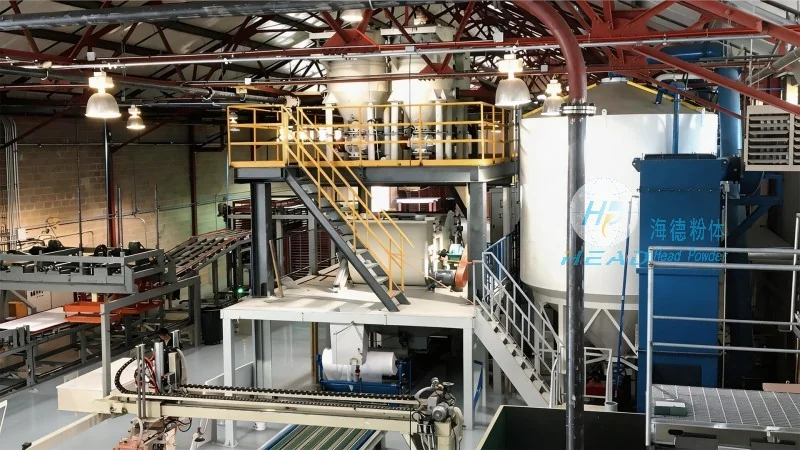
How do you determine which system is right for your cocoa powder pneumatic conveying needs? The decision primarily depends on several factors, including the conveying distance, material characteristics, and operational requirements. First, consider the distance between the source and destination. Positive pressure is ideal for longer distances, as it maintains pressure well over extended pipelines. Negative pressure is better suited for shorter distances, where the vacuum can effectively draw the material without significant loss. Second, evaluate the material properties. Cocoa powder is a fine, dry powder, which can be effectively handled by both systems. However, if the powder is prone to clumping or has high moisture content, positive pressure may be more effective in preventing agglomeration. Third, assess the system's capacity and flow rate requirements. Positive pressure systems are better for high-volume applications, as they can handle larger material loads without compromising flow. Negative pressure is more suitable for lower volumes or when the material needs to be collected from multiple points. Finally, consider the maintenance and energy costs. Positive pressure systems may require more maintenance and energy, while negative pressure systems are more energy-efficient for short distances but may need more frequent cleaning to prevent clogging.
Factors to Consider When Choosing a Pneumatic Conveying System for Cocoa Powder
Choosing the right pneumatic conveying system for cocoa powder involves a comprehensive evaluation of operational and technical factors. The first step is to assess the specific requirements of your production line, such as the volume of cocoa powder to be transported, the distance between the source and destination, and the desired flow rate. These factors will help determine whether a positive or negative pressure system is more appropriate. Next, consider the material characteristics, including particle size, moisture content, and tendency to clump. Fine powders like cocoa powder are generally well-suited for both systems, but the choice may be influenced by the need to maintain product quality and prevent degradation. Additionally, evaluate the available space and budget for the system. Positive pressure systems may require more space for the blower and additional components, while negative pressure systems are more compact and cost-effective for short distances. Maintenance considerations are also crucial. Positive pressure systems may need more frequent maintenance due to the higher pressure and potential for wear on components, whereas negative pressure systems are generally easier to maintain but may require more cleaning to prevent clogging. Finally, consider the overall cost of ownership, including energy consumption, maintenance, and potential downtime. By carefully weighing these factors, you can select the most suitable pneumatic conveying system that meets your operational needs and ensures efficient, reliable cocoa powder transportation.




