

Choosing Between Positive Pressure and Negative Pressure for Gypsum Powder Pneumatic Conveying: How
When it comes to the pneumatic conveying of gypsum powder, selecting the right system—whether positive pressure or negative pressure—is crucial for efficient and reliable material handling. This article from Shandong HeadPowder Engineering Co., Ltd., a leading provider of pneumatic conveying solutions based in China, will explore the key differences between these two methods and provide guidance on how to make an informed decision.
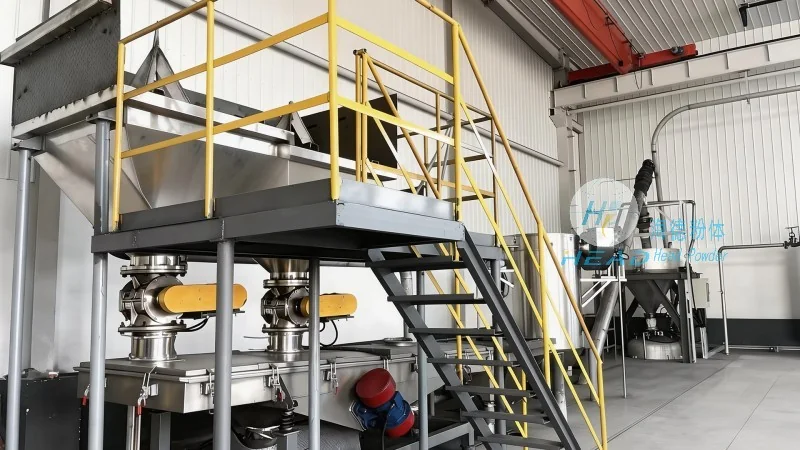
Gypsum powder, widely used in construction and industrial applications, requires specialized handling due to its fine particle size and potential for dust generation. Pneumatic conveying systems offer a dust-free alternative to traditional methods, but the choice between positive pressure and negative pressure systems depends on several factors, including material properties, system layout, and operational requirements.
Understanding Positive Pressure Pneumatic Conveying
Positive pressure systems operate by blowing air or gas into the conveying line, creating a pressure higher than the ambient air. This method propels the material forward through the pipeline. For gypsum powder, positive pressure systems are often preferred when the material needs to be transported over long distances or through complex network layouts. The high pressure ensures that the material is consistently moved, even when dealing with abrasive or sticky powders.
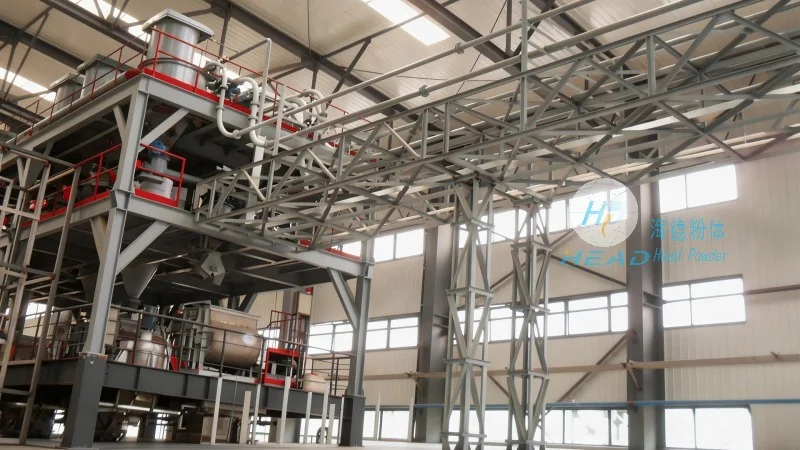
One of the primary advantages of positive pressure systems is their ability to handle high volumes of material with minimal pressure loss. This makes them suitable for large-scale production lines where continuous material flow is essential. Additionally, positive pressure systems are generally more robust and easier to maintain, as they do not require complex vacuum pumps or negative pressure management. Shandong HeadPowder Engineering Co., Ltd. specializes in designing and manufacturing positive pressure conveying systems tailored to the specific needs of gypsum powder applications, ensuring optimal performance and durability.
Exploring Negative Pressure Pneumatic Conveying
Negative pressure systems, on the other hand, create a vacuum in the conveying line, drawing the material and air into the system. This method is often used for shorter distances or when the material needs to be collected from multiple points. Negative pressure systems are particularly effective for handling fine powders that are prone to clogging or for applications where the material must be transported from a higher elevation to a lower one.
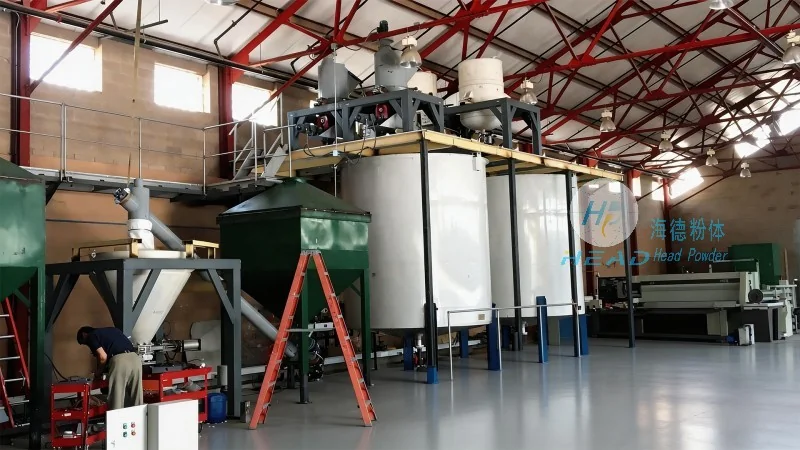
The main benefit of negative pressure systems is their ability to handle materials with higher moisture content or those that are more sensitive to pressure changes. By creating a vacuum, the system can gently draw the material without causing excessive wear on the equipment. However, negative pressure systems require more sophisticated vacuum pumps and may experience higher energy consumption compared to positive pressure systems. For gypsum powder, negative pressure systems are often used in smaller-scale operations or for specific applications where the material's properties demand a gentler handling approach.
Distinguishing Between the Two Methods
So, how can you determine which system is best for your gypsum powder pneumatic conveying needs? The key factors to consider include:
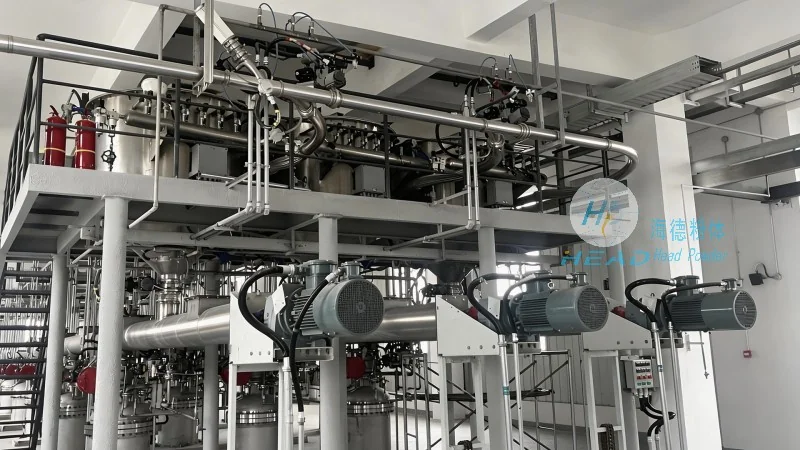
- Material Characteristics: If the gypsum powder is fine, abrasive, or has high moisture content, a positive pressure system may be more suitable due to its ability to handle these challenges effectively. For materials that are more delicate or prone to clogging, a negative pressure system might be preferable.
- System Layout and Distance: For long-distance or complex network applications, positive pressure systems are generally more efficient. For shorter distances or simple layouts, negative pressure systems can be a cost-effective solution.
- Energy Consumption and Maintenance: Positive pressure systems typically have lower energy consumption and require less maintenance compared to negative pressure systems, which may need more frequent pump checks and repairs.
- Environmental and Safety Considerations: Both systems can be designed to meet environmental regulations, but positive pressure systems may require additional dust collection equipment to prevent air pollution. Negative pressure systems, while effective at containing dust, may generate more noise due to the vacuum pumps.
Shandong HeadPowder Engineering Co., Ltd. recommends conducting a thorough analysis of your specific application requirements before selecting a pneumatic conveying system. By evaluating the material properties, system layout, and operational goals, you can choose the most appropriate method—positive pressure or negative pressure—to ensure efficient and reliable gypsum powder handling.
As a trusted provider of pneumatic conveying solutions, Shandong HeadPowder Engineering Co., Ltd. offers customized systems that cater to the unique needs of each client. Whether you opt for a positive pressure or negative pressure system, their expertise ensures that your gypsum powder is handled safely and efficiently, meeting the highest standards of performance and reliability.