When it comes to transporting microbead powders via pneumatic systems, selecting the right pressure type—positive or negative—is a critical decision that impacts efficiency, cost, and operational safety. Understanding the fundamental differences between these two methods is essential for optimizing material handling processes in industrial applications. This article explores the key characteristics of positive pressure and negative pressure pneumatic conveying for microbead powders, helping you make an informed choice based on your specific operational needs.
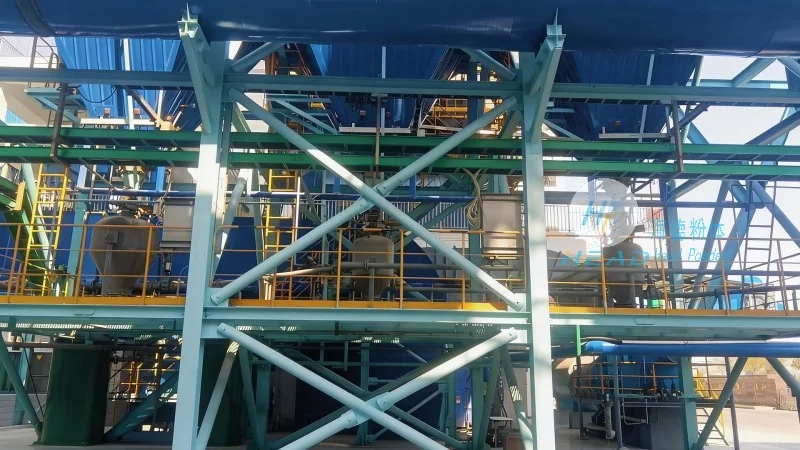
Understanding Pneumatic Conveying Basics
Pneumatic conveying is a method of transporting bulk materials, including powders and granules, using a gas stream (typically air) to move the material through a pipeline. The two primary pressure systems used in this process are positive pressure and negative pressure. The choice between them depends on factors such as the material's properties, the distance and layout of the conveying system, and the desired level of control over the material flow.
Positive Pressure Pneumatic Conveying
Positive pressure systems operate by blowing air or a gas mixture into the conveying line, creating a pressure higher than the ambient air pressure. This pressurized air pushes the material forward through the pipeline. In the context of microbead powders, positive pressure conveying is often preferred for its ability to handle abrasive or sticky materials, as well as for applications requiring high conveying rates over long distances.
Key advantages of positive pressure systems include: high conveying capacity, effective handling of difficult-to-move materials, and the ability to operate in both horizontal and vertical directions. However, they may require more robust equipment and higher energy consumption compared to negative pressure systems. Additionally, positive pressure systems can generate more dust and noise, which may necessitate additional environmental controls.
Negative Pressure Pneumatic Conveying
Negative pressure systems, also known as vacuum systems, create a lower pressure inside the conveying line compared to the ambient air, drawing the material into the system. This method is typically used for shorter conveying distances and for materials that are less abrasive or less likely to cause blockages.
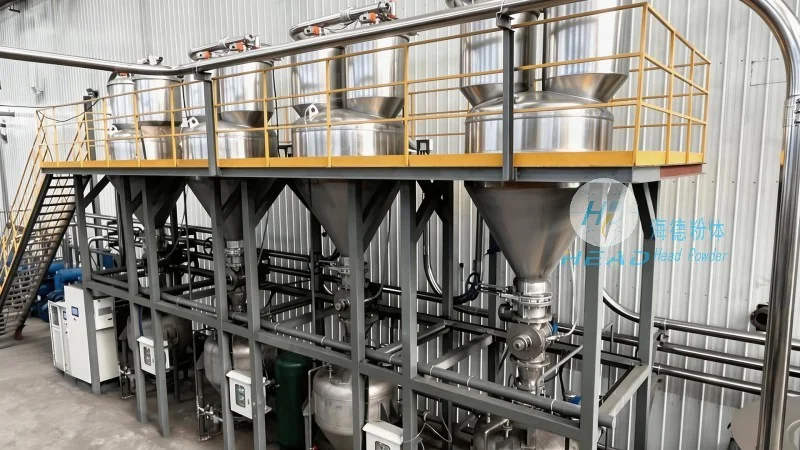
Advantages of negative pressure systems include lower energy consumption, reduced noise levels, and the ability to handle materials that are sensitive to pressure changes. However, they may have lower conveying capacities and are generally more suitable for shorter distances or when the material is light and free-flowing. Negative pressure systems also require careful maintenance to prevent dust leakage and ensure consistent performance.
Distinguishing Between the Two Systems
How can you determine which system is best for your microbead powder application? The following factors should be considered:
Material Properties: If the microbead powder is abrasive or has a tendency to agglomerate, positive pressure may be more effective due to its higher pressure and ability to break up clumps. For non-abrasive, free-flowing powders, negative pressure can often suffice.
Conveying Distance and Layout: For long-distance or complex layouts, positive pressure is often preferred as it can maintain higher pressure over longer distances without significant loss. Shorter distances or simple line configurations may work well with negative pressure.
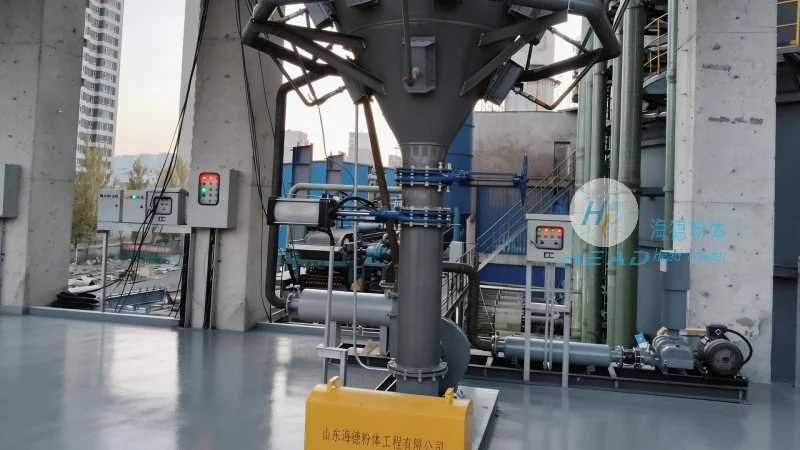
Energy Efficiency and Cost: Negative pressure systems generally consume less energy, making them more cost-effective for smaller-scale operations. Positive pressure systems, while more expensive to operate, offer higher throughput and are suitable for high-volume applications.
Environmental and Safety Considerations: Positive pressure systems may require additional filtration and dust control measures due to higher dust generation. Negative pressure systems, while quieter, may need more robust sealing to prevent air leaks and maintain vacuum levels.
Conclusion
Choosing between positive pressure and negative pressure pneumatic conveying for microbead powders requires a careful evaluation of the material's characteristics, the system's layout, and the operational goals. Positive pressure systems excel in high-capacity, long-distance applications and for handling difficult materials, while negative pressure systems offer efficiency and lower noise levels for shorter, simpler setups. By understanding these differences and considering the specific requirements of your process, you can select the most appropriate pneumatic conveying method to ensure reliable and cost-effective material transport.
For more information on pneumatic conveying solutions tailored to your microbead powder needs, contact Shandong HeadPowder Engineering Co., Ltd., a leading provider of industrial material handling systems based in China.




