When it comes to transporting dry powders, selecting the right pneumatic conveying system is crucial for efficiency, cost-effectiveness, and operational safety. Two primary methods dominate the industry: positive pressure and negative pressure systems. Understanding the differences between these two approaches is essential for making an informed decision that aligns with your specific material handling needs. This article will explore the key distinctions between positive and negative pressure pneumatic conveying for dry powders, helping you determine which system is best suited for your application.
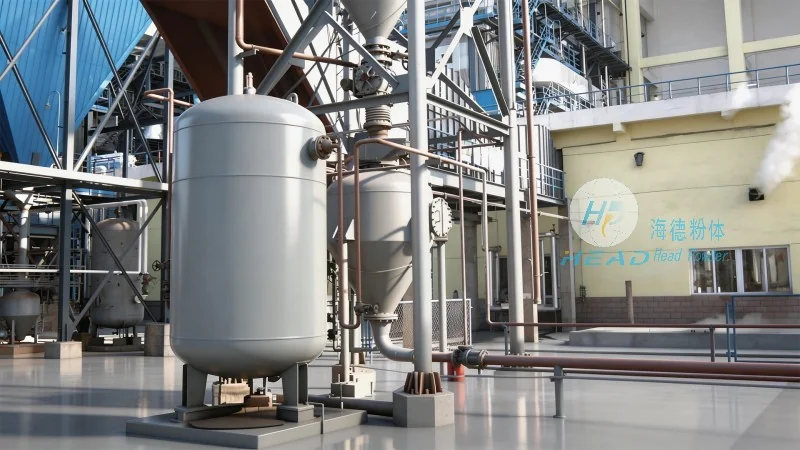
HeadPowder, a leading provider of pneumatic conveying solutions, specializes in designing and manufacturing systems tailored to diverse industrial requirements. With a strong presence in Shandong, China, HeadPowder Engineering Co., Ltd. leverages years of expertise to deliver reliable and efficient dry powder handling solutions. Whether you're dealing with fine powders, bulk materials, or sensitive products, their team of engineers ensures that the chosen conveying method optimizes performance while minimizing operational risks.
Understanding Pneumatic Conveying Basics
Pneumatic conveying systems use air or gas to transport dry materials through a pipeline. The primary goal is to move powders from a source to a destination without the need for mechanical components like conveyors or elevators. The choice between positive and negative pressure systems depends on factors such as material characteristics, system layout, and operational constraints.
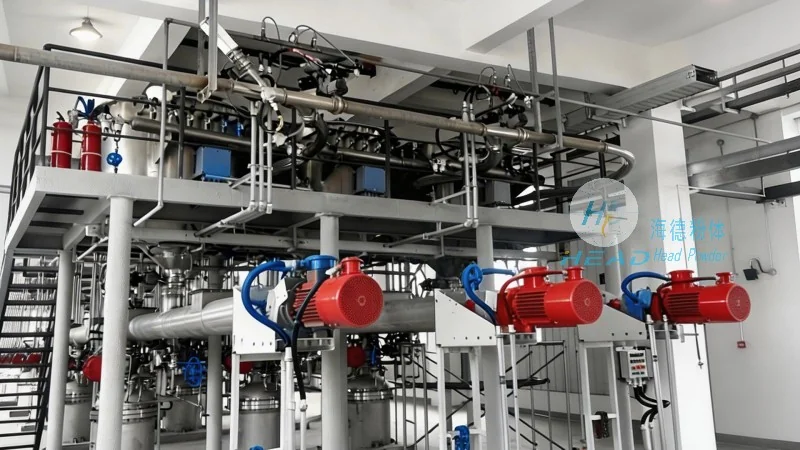
Differentiating Positive Pressure and Negative Pressure Systems
Positive pressure systems operate by blowing air or gas into the conveying line, creating a pressure higher than the ambient air. This method pushes the material through the pipeline, making it suitable for long-distance or high-rise applications. Conversely, negative pressure systems draw air and material from the line, creating a vacuum that pulls the material into the system. This approach is often preferred for shorter distances or when handling materials that are sensitive to pressure changes.
Key Characteristics of Positive Pressure Conveying
Positive pressure systems are characterized by their ability to handle high-pressure air, which allows for efficient material transport over longer distances. They are commonly used in industries such as food processing, pharmaceuticals, and chemical manufacturing where materials need to be moved from a central location to multiple destinations. The system's design typically includes a blower or compressor at the source, which generates the necessary pressure to move the material. This method is particularly effective for materials that are prone to caking or agglomeration, as the high pressure helps maintain material flow.
Advantages and Disadvantages of Positive Pressure
Advantages of positive pressure systems include their ability to handle long distances and high material loads. They are also relatively simple to install and maintain, as the system operates under positive pressure, reducing the risk of material leakage or contamination. However, these systems may require more energy to operate, especially when dealing with large volumes of material. Additionally, the high pressure can sometimes cause wear and tear on components, leading to higher maintenance costs over time.
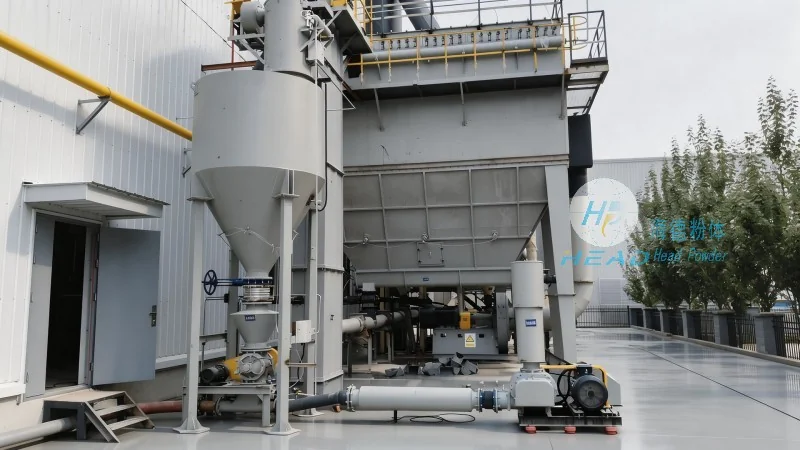
Key Characteristics of Negative Pressure Conveying
Negative pressure systems, also known as vacuum systems, operate by creating a vacuum in the conveying line. This vacuum draws the material from the source into the system, making it ideal for applications where the material needs to be collected from multiple points or where the destination is at a lower elevation. The system typically includes a vacuum pump or fan at the destination, which pulls the material through the pipeline. This method is often used in industries such as mining, agriculture, and recycling, where materials are collected from various sources and transported to a central processing facility.
Advantages and Disadvantages of Negative Pressure
One of the main advantages of negative pressure systems is their lower energy consumption compared to positive pressure systems, especially for shorter distances. They are also less likely to cause dust emissions, as the system operates under a vacuum, preventing material from escaping the pipeline. However, negative pressure systems may have limitations when it comes to long-distance transport or handling materials that are prone to clogging. The vacuum can sometimes cause the material to stick to the pipeline walls, leading to reduced efficiency and increased maintenance.
Factors to Consider When Choosing a System
When deciding between positive and negative pressure pneumatic conveying, several factors must be considered. First, the distance and elevation between the source and destination play a significant role. Positive pressure systems are better suited for long distances or high-rise applications, while negative pressure systems are more appropriate for shorter distances or when the destination is at a lower level. Second, the material characteristics, such as particle size, moisture content, and flowability, influence the choice. Materials that are fine or have high moisture content may require positive pressure to prevent clogging. Third, the system layout and available space must be evaluated. Positive pressure systems may require more space for the blower or compressor, while negative pressure systems may need additional vacuum equipment at the destination.
Application Examples
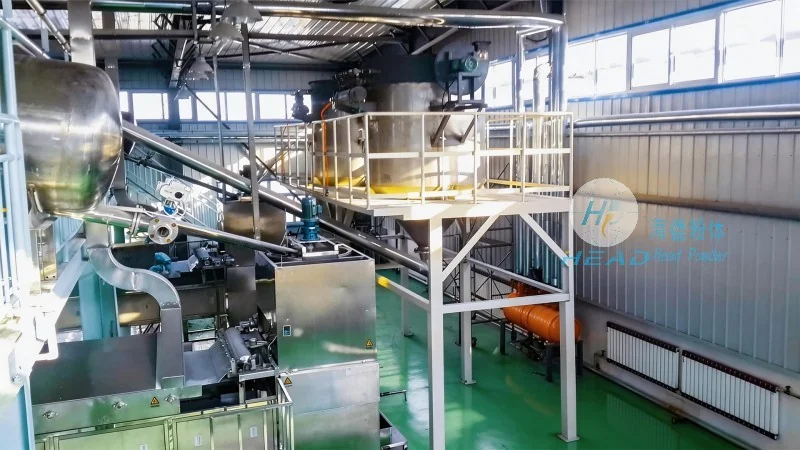
Positive pressure systems are commonly used in the food and pharmaceutical industries for transporting powders like flour, sugar, and vitamins. They are also used in chemical plants to move bulk materials such as limestone and gypsum. For example, a food processing plant might use a positive pressure system to transport flour from a silo to a mixing area, ensuring that the material is moved efficiently and without contamination. In contrast, a mining operation might use a negative pressure system to collect dust from a conveyor belt and transport it to a central dust collection system.
Conclusion
Choosing between positive and negative pressure pneumatic conveying for dry powders requires a careful evaluation of system requirements, material characteristics, and operational constraints. Both methods have their advantages and disadvantages, and the best choice depends on the specific application. HeadPowder Engineering Co., Ltd., with its expertise in pneumatic conveying solutions, can help you select the right system for your needs. By understanding the differences between these two approaches, you can optimize your material handling processes, reduce costs, and enhance operational efficiency.




