

High Temperature Ash Pneumatic Conveying: Choosing Positive Pressure or Negative Pressure Conveying?
High temperature ash pneumatic conveying is a critical process in industrial applications, particularly in power plants and other facilities that generate significant amounts of ash. The choice between positive pressure and negative pressure conveying systems is a fundamental decision that impacts efficiency, safety, and operational costs. This article aims to provide a comprehensive guide to understanding the differences between these two systems and how to select the appropriate one for high temperature ash handling.
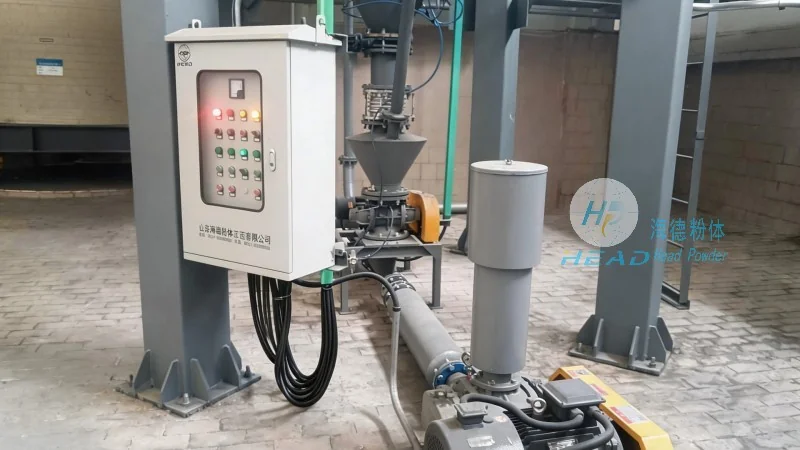
Introduction to High Temperature Ash Pneumatic Conveying and the Choice Between Positive and Negative Pressure Systems
High temperature ash, often generated from coal combustion, poses unique challenges due to its thermal properties and potential for reactivity. Pneumatic conveying systems are widely used to transport this material from the source to disposal or processing facilities. The primary distinction lies in the pressure differential within the system: positive pressure systems operate with air or gas moving under pressure, while negative pressure systems operate with a vacuum, drawing material into the system. Both have their advantages and limitations, making the selection process crucial for optimal performance.
Understanding Positive Pressure Conveying for High Temperature Ash
Positive pressure conveying systems, as the name implies, use compressed air or gas to push material through the pipeline. This method is particularly effective for high temperature ash because it can handle abrasive and hot materials without the risk of material degradation from exposure to external air. The system maintains a positive pressure throughout the pipeline, preventing external air from entering and potentially causing contamination or safety hazards. For high temperature ash, positive pressure systems often use specialized equipment such as rotary valves, high-pressure blowers, and insulated pipelines to ensure material integrity and system safety. The company, Shandong HeadPowder Engineering Co., Ltd., specializes in designing and manufacturing such systems, leveraging advanced engineering to meet the demanding requirements of high temperature ash transport.
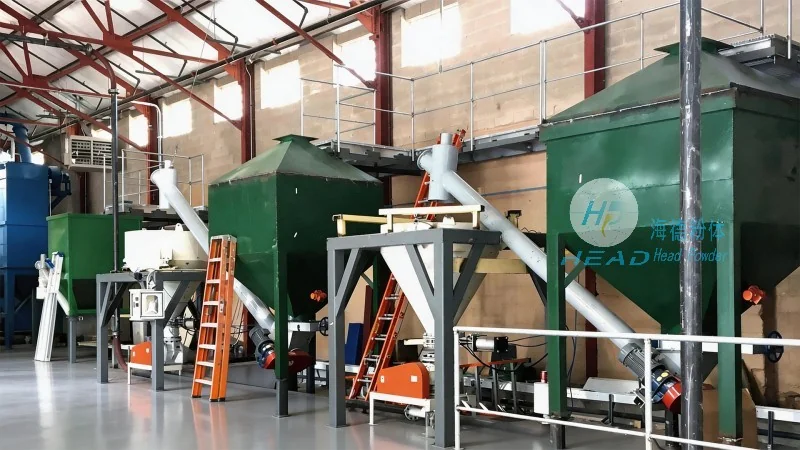
Understanding Negative Pressure Conveying for High Temperature Ash
Negative pressure conveying systems, on the other hand, operate by creating a vacuum within the pipeline, which draws material from the source into the system. This method is generally more energy-efficient as it requires less power to maintain the vacuum compared to the pressure needed for positive systems. However, negative pressure systems are more susceptible to external air infiltration, which can lead to dust emissions and safety risks, especially when handling high temperature ash that may be reactive or contain hazardous components. To mitigate these risks, negative pressure systems often incorporate filtration and dust control measures, as well as sealed collection points. The choice of negative pressure may be more suitable for applications where material is sourced from open areas or where space constraints limit the use of positive pressure equipment.
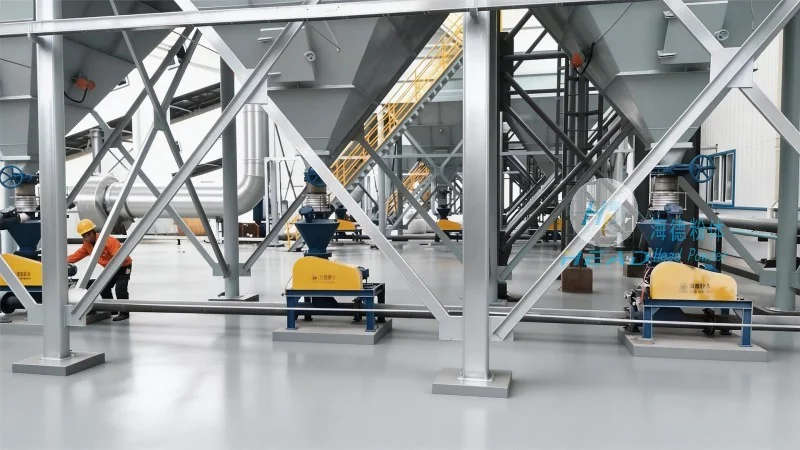
Key Factors to Consider When Choosing Between Positive and Negative Pressure Systems
The decision between positive and negative pressure conveying for high temperature ash depends on several key factors. First, the material characteristics, including temperature, abrasiveness, and reactivity, play a significant role. High temperature ash with high abrasiveness or reactivity may require the robust design of positive pressure systems to prevent wear and material degradation. Second, the system layout and distance to be covered are critical. Positive pressure systems are often preferred for longer distances or when the material needs to be transported to elevated or remote locations, as they can maintain pressure over longer pipelines. Third, operational safety and environmental considerations are paramount. Positive pressure systems are generally considered safer for handling hazardous or reactive materials due to their sealed design, reducing the risk of dust explosions or contamination. Finally, cost and energy efficiency must be evaluated. While negative pressure systems may have lower initial energy costs, the long-term operational costs, including maintenance and safety measures, may favor positive pressure systems for high temperature ash applications.
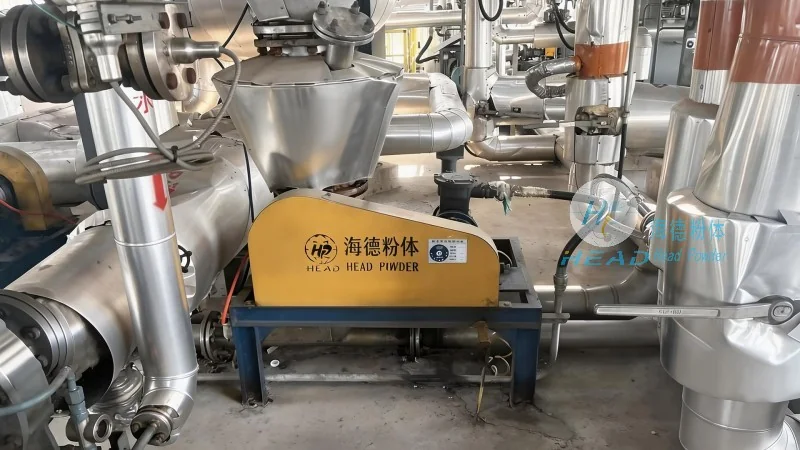
Distinguishing Between Positive and Negative Pressure Conveying Systems
Visual and operational differences can help distinguish between the two systems. Positive pressure systems typically feature visible air or gas outlets at the discharge point, with the entire pipeline operating under pressure. The equipment, such as blowers and valves, is designed to handle high pressure and temperature, often with insulation to prevent heat loss or damage. In contrast, negative pressure systems have inlet points that draw material into a vacuum, with the pipeline and equipment designed to withstand low pressure and potential dust ingress. The presence of filtration units and sealed collection hoppers is a hallmark of negative pressure systems, as they are essential for controlling emissions and maintaining safety. The company, Shandong HeadPowder Engineering Co., Ltd., based in Shandong, China, provides expert consultation and customized solutions to help clients determine the most suitable system based on their specific operational needs and material characteristics.
Conclusion and Company Information
Choosing between positive and negative pressure conveying systems for high temperature ash requires a thorough analysis of material properties, system requirements, and operational priorities. Positive pressure systems offer superior safety and material integrity for high temperature, abrasive ash, while negative pressure systems may be more energy-efficient for shorter distances or less hazardous materials. By understanding the key factors and operational differences, industrial facilities can select the most appropriate conveying system to ensure efficient, safe, and cost-effective ash handling. Shandong HeadPowder Engineering Co., Ltd. specializes in providing tailored pneumatic conveying solutions, leveraging years of experience and advanced engineering to meet the unique challenges of high temperature ash transport. With a focus on quality and customer satisfaction, the company serves clients across various industries, helping them optimize their material handling processes and improve overall operational performance.