

What is Magnesia Material Handling? And What Are Its Design Principles?
When it comes to industrial material handling, the efficient and safe transport of magnesia—a key raw material in various manufacturing processes—requires specialized systems. Magnesia material handling involves the movement, storage, and processing of this material from its source to the point of use. This process is critical for optimizing production workflows and ensuring operational efficiency in industries such as refractory manufacturing, chemical processing, and construction.
Understanding Magnesia Material Handling
Magnesia, or magnesium oxide (MgO), is a white crystalline solid widely used as a refractory material due to its high melting point and thermal stability. In industrial settings, magnesia is often handled in bulk form, requiring robust equipment to manage its flow, storage, and transfer. The material handling process for magnesia typically involves several stages, including loading, conveying, storage, and discharge. Each stage demands specific equipment and design considerations to prevent material degradation, minimize dust generation, and ensure worker safety.
Key Components of Magnesia Material Handling Systems
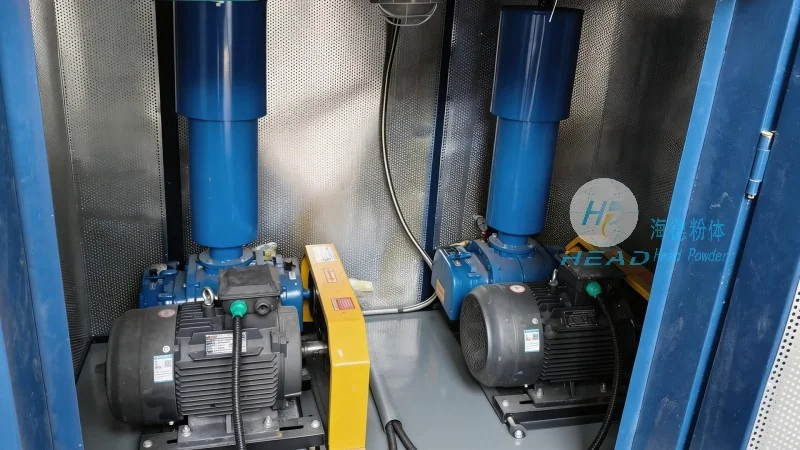
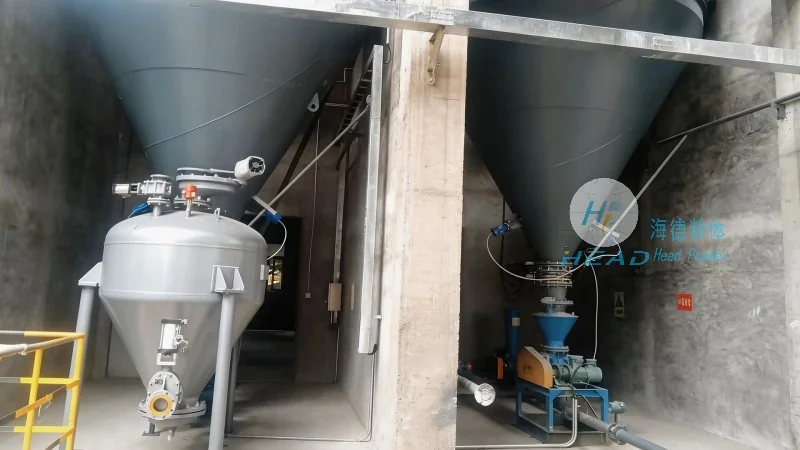
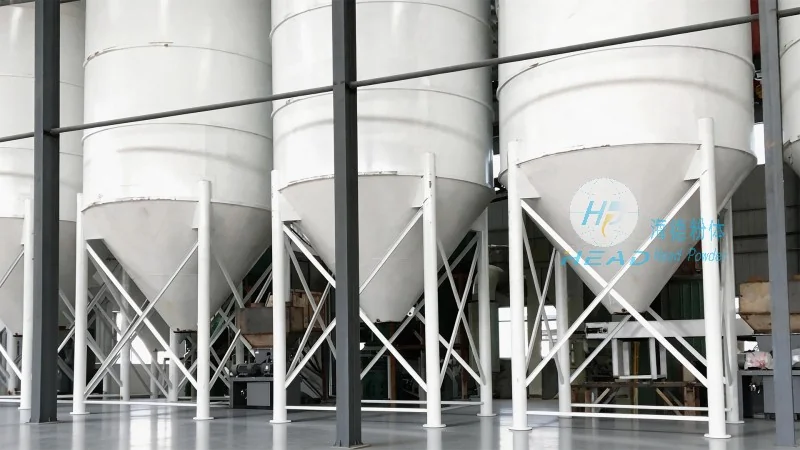
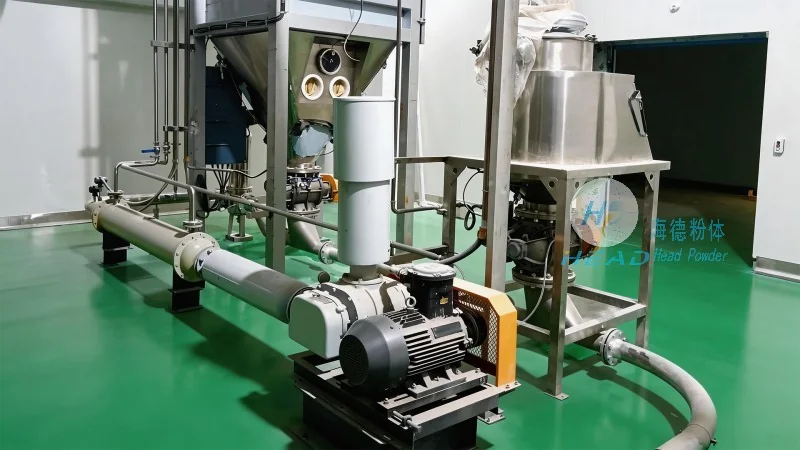
The design of a magnesia material handling system is built around several core components that work in tandem to achieve efficient material transport. These components include feeders, conveyors, storage silos, and discharge mechanisms. Feeders, such as rotary or vibratory feeders, are used to regulate the flow of magnesia from storage bins or hoppers to the conveyor system. Conveyors, commonly in the form of belt or screw conveyors, transport the material horizontally or vertically, depending on the layout of the facility. Storage silos or hoppers are essential for storing magnesia in bulk, providing a buffer between production and consumption. Discharge mechanisms, like rotary valves or gate valves, control the release of material to downstream processes or packaging units.
Design Principles for Magnesia Material Handling
The design of magnesia material handling systems follows several fundamental principles aimed at maximizing efficiency, safety, and durability. One key principle is the minimization of material degradation. Magnesia is a fine, abrasive powder that can degrade if handled improperly, leading to caking, blockages, or contamination. Therefore, systems are designed with smooth, non-abrasive surfaces and minimal friction points to prevent material breakdown. Another principle is dust control. Magnesia is a fine powder that can create hazardous dust conditions if not properly contained. Enclosed systems with dust collection and filtration are standard to ensure compliance with occupational health and safety regulations.
Equipment Selection for Magnesia Handling
Choosing the right equipment for magnesia material handling is critical to the success of the system. The selection process considers factors such as material properties, throughput requirements, and environmental constraints. For example, belt conveyors are preferred for horizontal transport due to their high capacity and low maintenance, while screw conveyors are suitable for vertical or inclined transport where space is limited. Rotary feeders are ideal for controlling the flow of fine powders, as they can regulate discharge rates precisely. Storage silos are typically made of stainless steel or lined with corrosion-resistant materials to prevent contamination from moisture or other substances.
Safety and Operational Considerations
Ensuring the safety of workers and the integrity of the material are paramount in magnesia material handling. Systems are designed with safety features such as emergency stop buttons, overload protection, and interlocked access panels. Dust suppression systems, including wet scrubbers or baghouse filters, are integrated to capture airborne particles and prevent respiratory hazards. Additionally, regular maintenance is essential to prevent equipment failure and ensure consistent performance. This includes cleaning of conveyor belts, inspection of bearings, and replacement of worn parts to minimize downtime and maintain material quality.
Applications of Magnesia Material Handling
Magnesia material handling systems are widely used in various industries where magnesia is a key component. In refractory manufacturing, magnesia is used to produce refractory bricks and castables, which are used in high-temperature applications such as steelmaking and glass production. In chemical processing, magnesia is used as a filler or catalyst in the production of chemicals. In construction, magnesia is used to produce fire-resistant materials and coatings. The efficiency of the material handling system directly impacts the productivity and quality of these end products.
Conclusion
Magnesia material handling is a complex process that requires careful consideration of material properties, equipment selection, and design principles. By implementing robust systems with proper safety features and regular maintenance, industries can ensure the efficient and safe transport of magnesia, leading to improved productivity and product quality. Companies like Shandong HeadPowder Engineering Co., Ltd., based in China, specialize in designing and manufacturing magnesia material handling systems tailored to the specific needs of their clients, providing reliable solutions for industrial material transport.