

Common Buckwheat Hull Conveying Methods: A Comparison of Advantages and Disadvantages
For manufacturers dealing with buckwheat hulls, selecting the right conveying method is crucial for efficiency, cost-effectiveness, and operational safety. Buckwheat hulls are often used in various industries, including food processing, animal feed, and biofuel production, and their proper handling requires specialized equipment. This article provides an in-depth comparison of common buckwheat hull conveying methods, highlighting their advantages and disadvantages to help businesses make informed decisions.
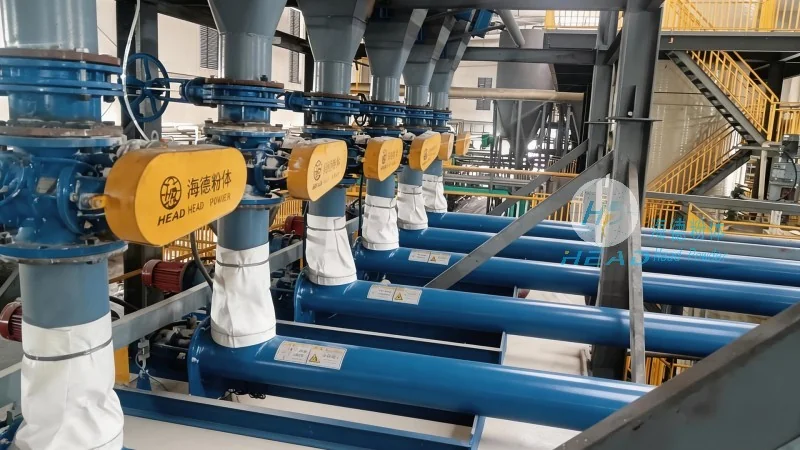
Overview of Buckwheat Hull Conveying Methods
Buckwheat hulls are lightweight, dry, and can be abrasive, which influences the choice of conveying system. The primary methods include pneumatic conveying, mechanical conveying (such as belt conveyors and screw conveyors), and gravity flow systems. Each method has unique characteristics that make it suitable for different applications and operational environments.
Pneumatic Conveying: Advantages and Disadvantages
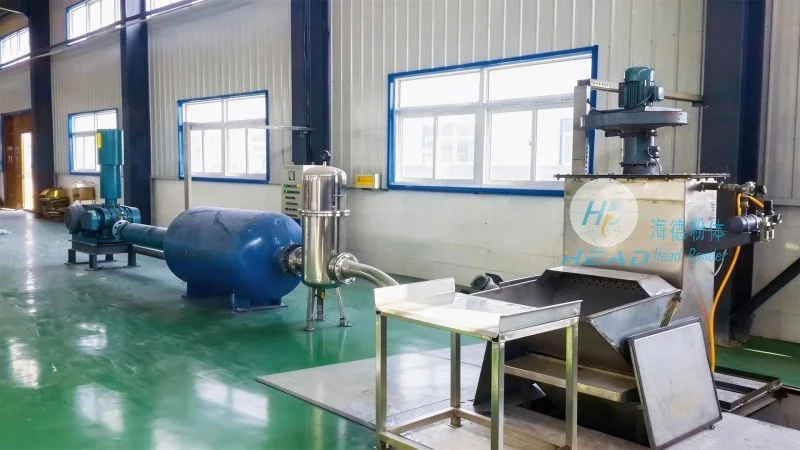
Pneumatic conveying uses air to transport buckwheat hulls through a pipeline system. This method is ideal for long-distance transport and can handle fine or dusty materials. One of the key advantages is its ability to transport materials without direct contact, reducing wear and tear on equipment. Additionally, it allows for enclosed systems, which can improve safety and hygiene, especially in food processing applications.
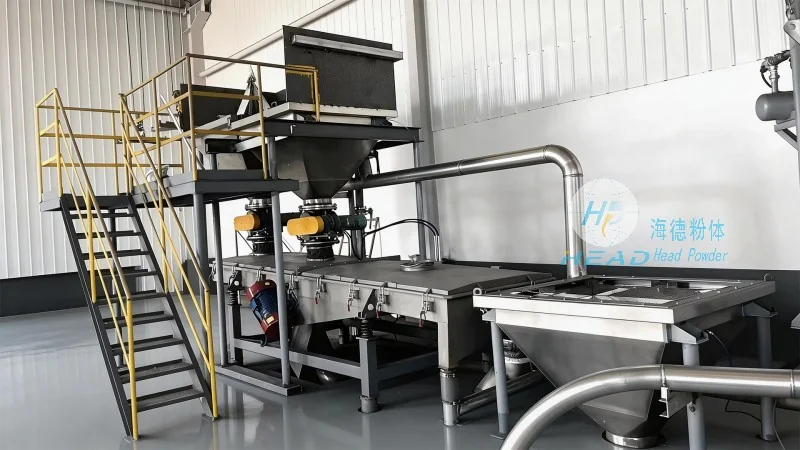
However, pneumatic conveying has significant drawbacks. It requires high air pressure and energy consumption, leading to higher operational costs. The system is also sensitive to material moisture and can be prone to blockages if the hulls are too wet or contain debris. Maintenance costs are another concern, as filters and air compressors need regular servicing to ensure smooth operation.
Mechanical Conveying: Belt Conveyors and Screw Conveyors
Mechanical conveying systems, such as belt conveyors and screw conveyors, rely on mechanical components to move buckwheat hulls. Belt conveyors are widely used for horizontal and slight incline transport, while screw conveyors are suitable for vertical or inclined movement. These systems are generally more cost-effective and easier to install compared to pneumatic systems.
The main advantage of mechanical conveyors is their lower energy consumption and lower maintenance requirements. They are also more durable and can handle larger volumes of material. However, they have limitations in terms of material handling. For example, belt conveyors may not be suitable for very fine or abrasive hulls, as they can cause wear and tear on the belt. Screw conveyors, while effective for dry materials, can be less efficient with very light or dusty hulls due to potential blockages.
Gravity Flow Systems: Advantages and Limitations
Gravity flow systems utilize the natural weight of the buckwheat hulls to move them from a higher to a lower level. This method is simple and requires minimal energy input, making it an economical choice for short distances and low-volume applications. It is particularly useful in facilities where space is limited or where the hulls need to be moved to a lower level for processing.
However, gravity flow systems have significant limitations. They are only effective for materials that can flow freely and are not suitable for very fine or cohesive hulls. The system also requires a steep incline to ensure proper movement, which may not be feasible in all operational settings. Additionally, it offers limited control over the speed and direction of the material flow, making it less suitable for complex conveying tasks.
Choosing the Right Conveying Method for Your Business
When selecting a buckwheat hull conveying method, businesses should consider several factors, including the volume of material, the distance to be transported, the material characteristics (such as moisture content and abrasiveness), and the available budget. Pneumatic conveying is best for long-distance, enclosed systems with high material volumes, while mechanical conveyors are more suitable for shorter distances and lower volumes. Gravity flow systems are ideal for simple, low-cost applications where the material can flow naturally.
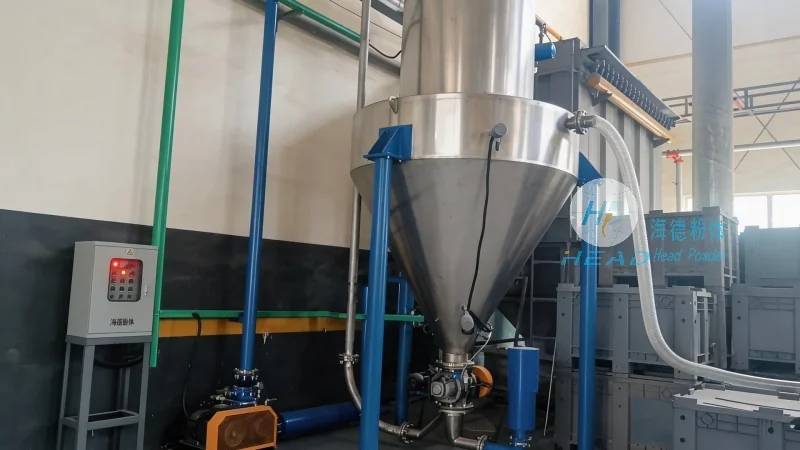
It is also important to consider the overall operational environment. For example, in food processing facilities, enclosed systems may be required to maintain hygiene standards, making pneumatic conveying a better choice despite its higher costs. In contrast, in animal feed production, where cost-effectiveness is a priority, mechanical conveyors may be preferred.
Conclusion
Each buckwheat hull conveying method has its own set of advantages and disadvantages, and the best choice depends on the specific needs of the business. By understanding the characteristics of each system and evaluating operational requirements, manufacturers can select the most efficient and cost-effective conveying solution. This ensures smooth operations, reduces downtime, and maximizes productivity in handling buckwheat hulls.