Color masterbatches are essential components in the plastic manufacturing industry, providing vibrant colors and consistent pigmentation to various polymer products. The efficient and reliable transportation of these masterbatches from storage to processing equipment is crucial for maintaining production quality and minimizing downtime. Shandong HeadPowder Engineering Co., Ltd., a leading manufacturer based in Shandong, China, specializes in providing advanced solutions for color masterbatch handling, including various conveying systems. This article provides a detailed comparison of common color masterbatch conveying methods, highlighting their advantages and disadvantages to help industrial users make informed decisions.
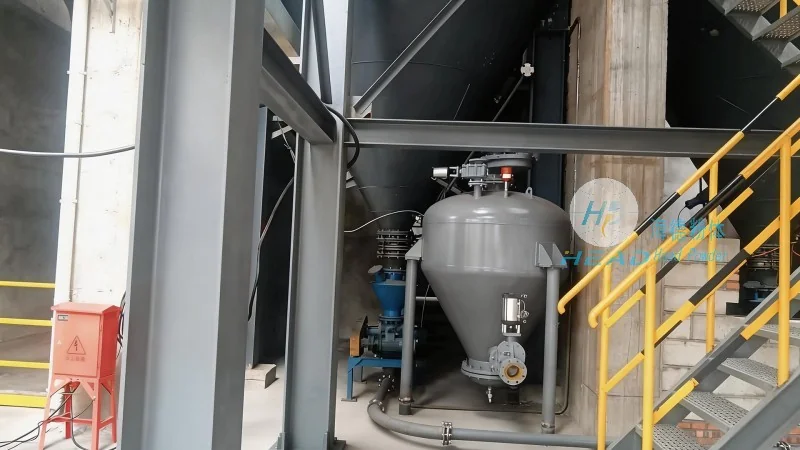
Overview of Color Masterbatch Conveying Systems
Color masterbatch conveying systems are designed to transport masterbatch pellets or powders from storage silos, hoppers, or containers to extruders, mixers, or other processing equipment. The choice of conveying method depends on factors such as material properties, production scale, environmental requirements, and cost considerations. Common methods include screw conveyors, pneumatic (air) conveying systems, belt conveyors, and bucket elevators. Each method has its own set of advantages and limitations, which are discussed below.
Screw Conveyors: A Traditional and Versatile Option
Screw conveyors, also known as auger conveyors, are one of the most widely used methods for transporting color masterbatches. These systems consist of a rotating helical screw inside a U-shaped or tubular housing. The screw rotates, pushing the masterbatch material forward along the conveyor. Screw conveyors are particularly suitable for handling free-flowing, non-abrasive materials like color masterbatches. They are relatively simple in design, easy to install, and can be operated in both horizontal and slight incline positions. The enclosed design of screw conveyors helps prevent dust contamination and protects the material from environmental factors.
Advantages of screw conveyors include their ability to handle a wide range of materials, including those with varying moisture content or particle sizes. They are also energy-efficient and can be easily integrated into existing production lines. However, screw conveyors have some limitations. They are not suitable for materials that are highly abrasive or sticky, as this can cause wear and tear on the screw and housing. Additionally, the capacity of screw conveyors is limited compared to other methods, making them less suitable for high-volume production. Another drawback is that they can generate heat due to friction, which may affect the temperature-sensitive properties of some masterbatch materials.
Pneumatic Conveying Systems: High-Speed and Flexible Transport
Pneumatic conveying systems use air or other gases to transport color masterbatches through a network of pipes and ducts. These systems are classified into two main types: pressure and vacuum. Pressure systems use compressed air to push the material forward, while vacuum systems use suction to draw the material into the system. Pneumatic conveying is particularly effective for handling fine powders and granules, as it can transport materials over long distances and at high speeds.
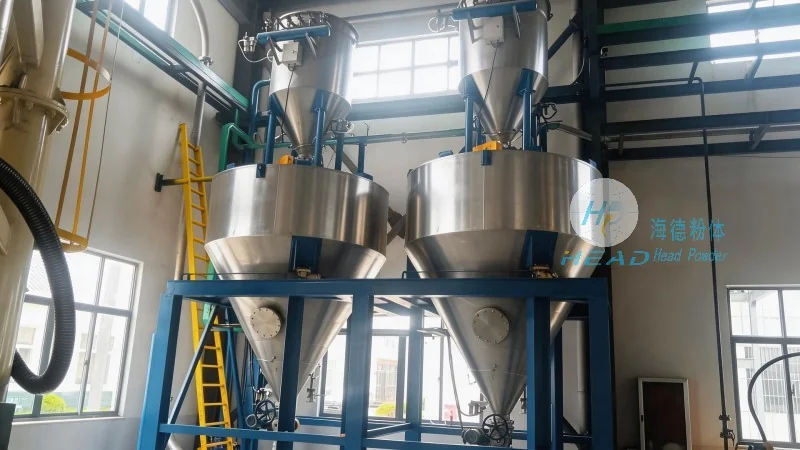
One of the key advantages of pneumatic conveying is its high capacity and speed, making it ideal for large-scale production. It can transport materials from multiple sources to a single processing point, providing flexibility in production layouts. Pneumatic systems are also relatively easy to clean and maintain, as they can be disassembled for thorough cleaning. However, pneumatic conveying has significant drawbacks. The high air consumption and energy costs are a major concern, as these systems require substantial power to operate. Additionally, they are not suitable for materials that are highly abrasive or sticky, as this can cause blockages in the pipes. Another limitation is that the system can generate dust during operation, requiring proper filtration and ventilation to ensure a safe working environment.
Belt Conveyors: Reliable and Cost-Effective for Bulk Transport
Belt conveyors are another common method for transporting color masterbatches, especially in applications requiring bulk handling. These systems consist of a continuous belt that moves over rollers or pulleys, transporting the material from one point to another. Belt conveyors are particularly suitable for handling large volumes of material and can be used in both horizontal and inclined positions. They are often used in conjunction with storage silos or hoppers to move masterbatch from storage to processing equipment.
The primary advantage of belt conveyors is their high capacity and low maintenance costs. They are relatively simple to operate and can be easily integrated into existing production lines. Belt conveyors are also suitable for handling a wide range of materials, including those with varying particle sizes or moisture content. However, belt conveyors have some limitations. They are not suitable for materials that are highly abrasive or sticky, as this can cause wear and tear on the belt and rollers. Additionally, the system can generate dust during operation, requiring proper dust control measures. Another drawback is that belt conveyors are not as flexible as other methods, as they are typically designed for fixed routes and cannot easily be reconfigured for different production needs.
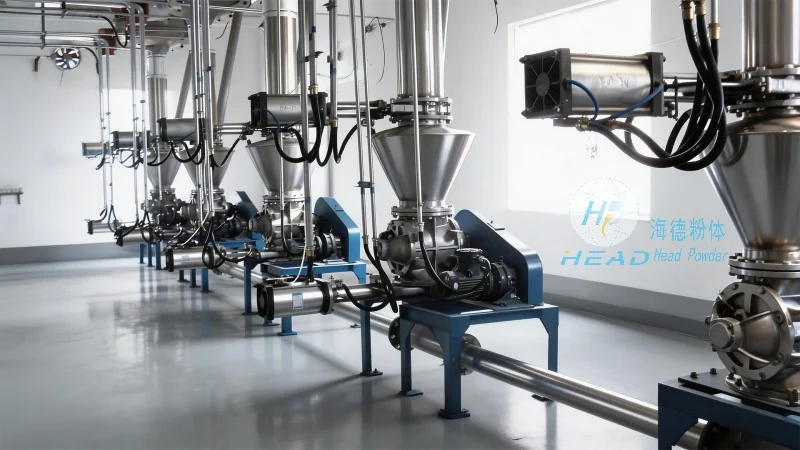
Bucket Elevators: Vertical Transport with High Efficiency
Bucket elevators are specialized conveying systems designed for vertical transport of color masterbatches. These systems consist of a series of buckets attached to a chain or belt, which moves vertically up and down a vertical or inclined shaft. The buckets scoop up the material at the bottom and discharge it at the top, transporting the material vertically. Bucket elevators are particularly suitable for applications requiring vertical transport over significant heights, such as moving masterbatch from ground-level storage to an elevated processing line.
One of the main advantages of bucket elevators is their high efficiency and capacity, making them ideal for high-volume production. They can transport materials over long vertical distances with minimal energy consumption. Bucket elevators are also relatively simple to operate and maintain, as they have fewer moving parts compared to other vertical conveying systems. However, bucket elevators have some limitations. They are not suitable for materials that are highly abrasive or sticky, as this can cause wear and tear on the buckets and chain. Additionally, the system can generate noise and vibration during operation, which may require noise control measures. Another drawback is that bucket elevators are not as flexible as other methods, as they are typically designed for fixed vertical transport and cannot easily be reconfigured for different production needs.
Choosing the Right Conveying Method for Color Masterbatch Handling
When selecting a color masterbatch conveying method, industrial users must consider several factors to ensure optimal performance and cost-effectiveness. The choice of method should be based on the specific characteristics of the masterbatch material, the production scale, and the operational requirements. For example, screw conveyors are suitable for small to medium-scale operations and materials with moderate flowability. Pneumatic conveying is ideal for large-scale operations and materials that require high-speed transport over long distances. Belt conveyors are appropriate for bulk handling and applications where cost is a primary concern. Bucket elevators are best suited for vertical transport in high-volume production lines.
Shandong HeadPowder Engineering Co., Ltd. offers a range of conveying solutions tailored to meet the specific needs of industrial users. By understanding the advantages and disadvantages of each conveying method, users can make informed decisions that enhance production efficiency, maintain product quality, and minimize operational costs. Whether it's a screw conveyor, pneumatic system, belt conveyor, or bucket elevator, the right choice depends on the unique requirements of the application.




