When it comes to industrial material handling, the efficient and safe transport of bentonite—a versatile clay material widely used in various sectors—requires specialized equipment and thoughtful design. This article delves into the concept of bentonite material handling and explores the core design principles that underpin effective systems for this unique material.
What is Bentonite Material Handling?
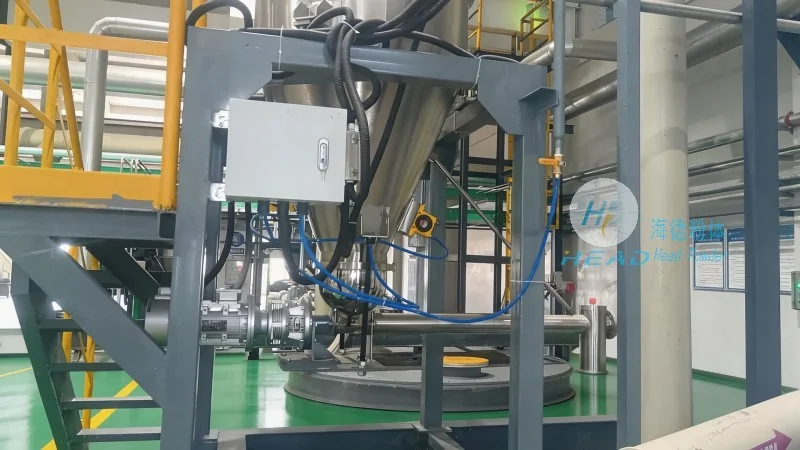
Bentonite material handling refers to the processes and technologies used to move, store, and manage bentonite, which is known for its high swelling capacity and ability to form viscous slurries when mixed with water. This material is crucial in industries such as oil and gas, mining, and construction, where it serves as a drilling fluid, sealing agent, or additive. The handling of bentonite demands careful consideration due to its physical properties, which can affect flow, compaction, and equipment wear. Effective bentonite material handling systems ensure that the material is transported without degradation, maintaining its quality for downstream applications.
Key Design Principles for Bentonite Material Handling Systems
The design of bentonite material handling systems is guided by several critical principles to ensure efficiency, safety, and longevity. First, the system must accommodate the material's unique rheological properties—bentonite can behave as a solid when dry but becomes a fluid when hydrated. This means that equipment such as conveyors, pumps, and storage tanks must be designed to handle both dry and slurry forms. Second, material compatibility is paramount. Bentonite can be abrasive and corrosive, so components like hoppers, pipes, and valves must be constructed from materials that resist wear and chemical attack, such as stainless steel or specialized alloys. Third, the system should minimize dust generation and exposure, as bentonite dust can be hazardous to workers and the environment. This is achieved through enclosed systems, dust collection, and proper ventilation. Fourth, the design must consider the scale of operation—whether for small-scale laboratory use or large industrial production—and adapt accordingly. Finally, the system should integrate with existing infrastructure and processes, ensuring seamless workflow and minimal disruption.
Components of a Typical Bentonite Material Handling System
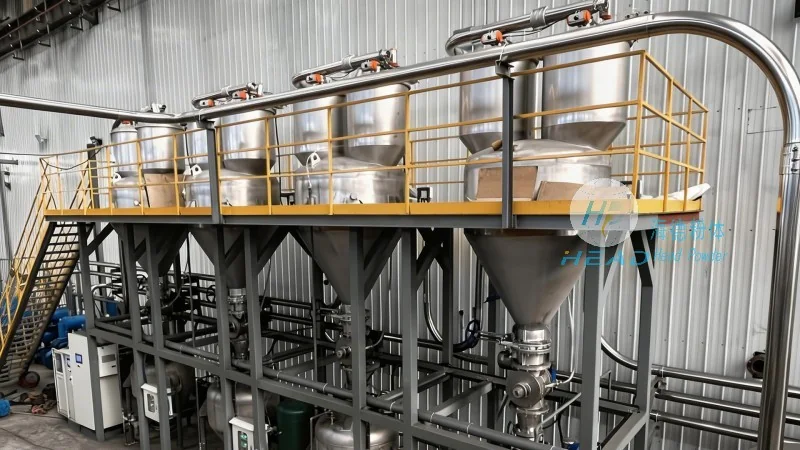
A well-designed bentonite material handling system typically includes several key components that work in concert to achieve efficient transport. The first component is the storage facility, which may include silos or bulk containers to hold dry bentonite. These storage units are often equipped with agitators to prevent caking and ensure consistent material flow. Next, the conveying system—such as belt conveyors, screw conveyors, or pneumatic conveyors—transports the bentonite from storage to processing areas. For slurry applications, pumps are essential to move the hydrated bentonite through pipelines. The system may also include mixing tanks or reactors where bentonite is combined with water or other additives to achieve the desired consistency. Finally, the system includes discharge equipment, such as valves or spouts, to deliver the processed material to its final destination. Each component must be carefully selected and integrated to ensure smooth operation and minimal downtime.
Applications of Bentonite Material Handling
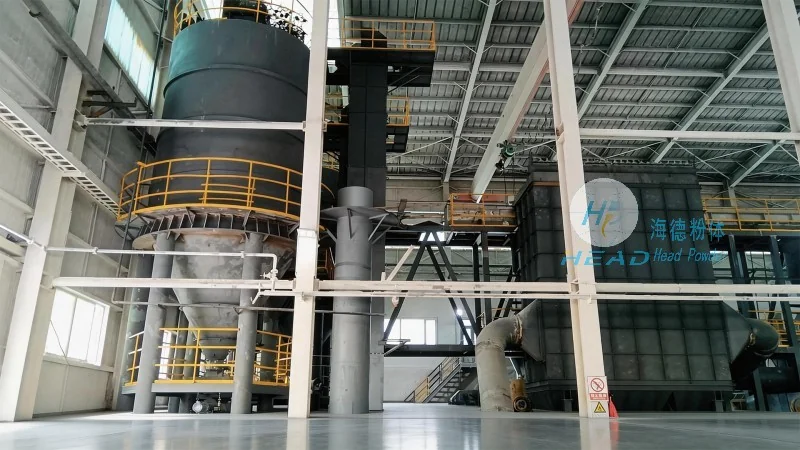
Bentonite material handling systems are employed in a wide range of industries, each with specific requirements. In the oil and gas sector, bentonite is used as a drilling fluid to maintain wellbore stability and carry cuttings to the surface. The material handling system must be capable of handling high volumes of slurry and ensuring consistent viscosity. In mining, bentonite is used as a sealant in tailings ponds or as a flocculant to improve sedimentation. The system must be robust enough to handle abrasive particles and resist corrosion from mine water. In construction, bentonite is used as a waterproofing agent or in soil stabilization projects. The material handling system must be able to deliver dry or slurry bentonite to job sites efficiently. In each application, the design principles discussed earlier are applied to ensure the material is handled safely and effectively.
About Shandong HeadPowder Engineering Co., Ltd.
Shandong HeadPowder Engineering Co., Ltd., commonly known as HeadPowder, is a leading provider of specialized material handling solutions for industries that utilize bentonite and other similar materials. With a focus on innovation and customer-centric design, HeadPowder has developed advanced systems that address the unique challenges of bentonite material handling. The company's expertise lies in understanding the material's properties and translating that knowledge into practical, efficient solutions. HeadPowder's team of engineers and technicians work closely with clients to assess their specific needs and design customized systems that meet their operational and safety requirements. The company is committed to providing high-quality equipment and services, ensuring that clients can rely on their bentonite material handling systems for long-term performance and reliability. HeadPowder's operations are based in Shandong, China, where the company leverages local resources and expertise to serve a global market.




