

What is a Lightweight Calcium Carbonate Powder Handling System? And What Are Its Design Principles?
Lightweight calcium carbonate powder handling systems are essential in industrial applications where efficient and safe transportation of this fine powder is critical. These systems are designed to manage the unique properties of calcium carbonate, a widely used filler and additive in various industries, ensuring optimal performance and reliability. Understanding the components and design principles behind such systems is crucial for businesses seeking to enhance their production processes.
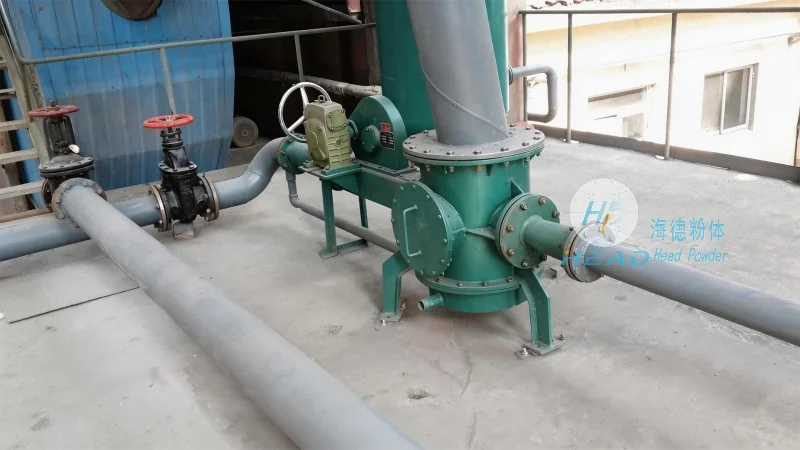
Introduction to Lightweight Calcium Carbonate Powder Handling Systems
Lightweight calcium carbonate, often referred to as limestone powder, is a versatile material used in the manufacturing of plastics, papers, paints, and other products. Its fine particle size and low density make it challenging to handle, as it can easily create dust, clog equipment, and cause operational inefficiencies. A specialized powder handling system addresses these challenges by integrating advanced technology and engineering solutions to ensure smooth and continuous operation.
Key Components of the Powder Handling System
The core components of a lightweight calcium carbonate powder handling system typically include a hopper for material storage, a feeder to control the flow rate, a conveyor or pneumatic transport system for moving the powder, and a dust collection unit to maintain air quality. Each component is carefully selected and designed to handle the specific characteristics of calcium carbonate, such as its low bulk density and tendency to agglomerate. The hopper, for instance, is often equipped with a discharge valve or rotary valve to regulate the material release, preventing blockages and ensuring consistent flow. The feeder, which may be a screw or vibratory type, adjusts the feed rate based on process requirements, maintaining a stable supply to downstream equipment.
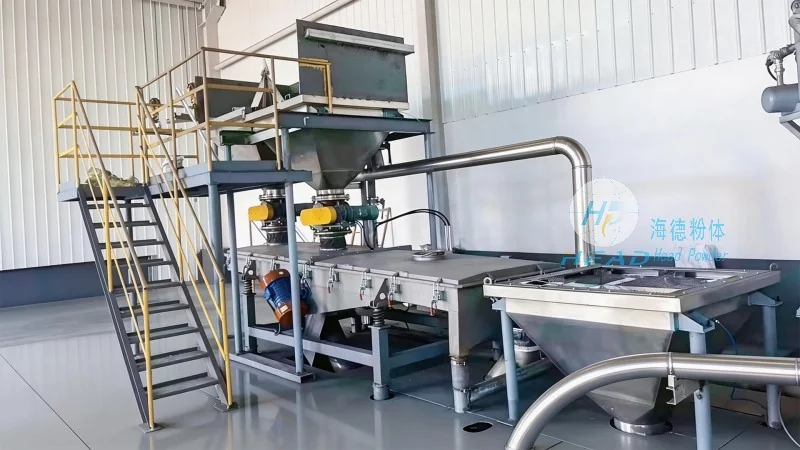
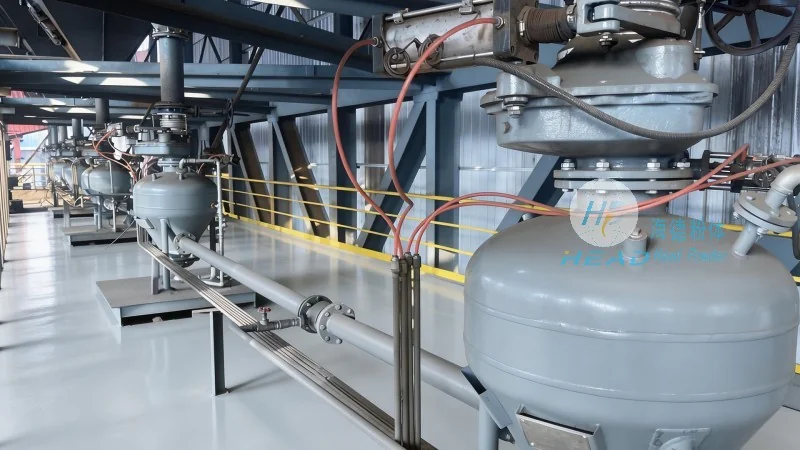
Pneumatic Conveying Systems for Calcium Carbonate
For many applications, pneumatic conveying is the preferred method for transporting lightweight calcium carbonate. This technology uses air pressure to move the powder through a pipeline, eliminating the need for mechanical components that could cause wear or contamination. The system typically consists of a blower, a filter, and a receiver, with the powder suspended in air as it travels from the source to the destination. Pneumatic conveying offers advantages such as low maintenance, flexibility in layout, and the ability to handle long distances or multiple destinations. However, it requires precise control of air pressure and flow to prevent material degradation or system inefficiencies.
Design Principles for Efficient Handling
The design of a lightweight calcium carbonate powder handling system follows several key principles to ensure optimal performance. First, the system must address the material's low bulk density, which affects flow characteristics and equipment sizing. Engineers use calculations based on the powder's density and flowability to determine the appropriate hopper geometry and feeder capacity. Second, the system must prevent dust generation and ensure operator safety. This is achieved through the use of sealed equipment, dust collection systems, and proper ventilation. Third, the system must maintain material integrity, avoiding agglomeration or degradation that could affect product quality. This involves controlling moisture levels, temperature, and the speed of material movement. Finally, the system is designed for easy maintenance and scalability, allowing for adjustments as production needs change.
Applications and Benefits
Lightweight calcium carbonate powder handling systems are widely used in industries such as plastics, paper, coatings, and rubber. In the plastics industry, for example, the system ensures a consistent supply of calcium carbonate to mixing and extrusion processes, improving product uniformity and reducing waste. In the paper industry, the system delivers the powder to coating and finishing lines, enhancing paper strength and brightness. The benefits of these systems include increased production efficiency, reduced downtime, improved product quality, and enhanced workplace safety. By optimizing the handling of calcium carbonate, businesses can achieve better control over their processes and meet the demands of modern manufacturing.
About Shandong HeadPowder Engineering Co., Ltd.
Shandong HeadPowder Engineering Co., Ltd., a leading manufacturer in the field, specializes in the design and production of advanced powder handling systems. With years of experience and a commitment to innovation, the company provides customized solutions tailored to the specific needs of its clients. HeadPowder's systems are engineered to handle a wide range of powders, including lightweight calcium carbonate, and are built with high-quality materials to ensure durability and long-term performance. The company's team of engineers and technicians work closely with clients to understand their requirements and develop solutions that meet industry standards and regulatory requirements. HeadPowder remains committed to delivering reliable, efficient, and safe powder handling systems that enhance the productivity and profitability of its customers.
Contact Information
Located in Shandong, China, Shandong HeadPowder Engineering Co., Ltd. serves clients globally with its advanced powder handling solutions. The company's headquarters and manufacturing facilities are equipped with state-of-the-art technology and skilled personnel, ensuring the highest quality products and services. For inquiries or more information about their lightweight calcium carbonate powder handling systems, businesses can contact the company directly. HeadPowder remains committed to excellence and customer satisfaction, providing reliable support throughout the entire process from design to installation and maintenance.