When it comes to handling castings fume in industrial settings, selecting the right pneumatic conveying system is crucial for efficiency, safety, and operational longevity. Two primary approaches dominate the market: positive pressure and negative pressure systems. Understanding the distinctions between these two methods is essential for making an informed decision that aligns with your specific production needs. This article will explore the key differences, advantages, and considerations for both positive and negative pressure systems, helping you determine which option is best suited for your castings fume handling requirements.
Understanding Positive Pressure Pneumatic Conveying
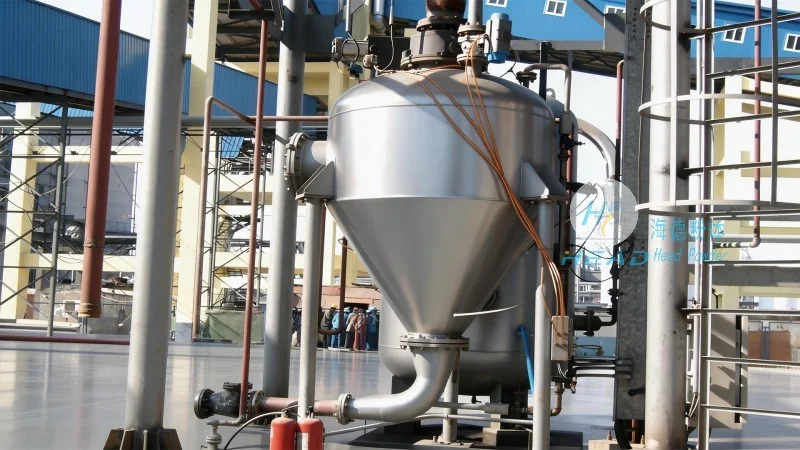
Positive pressure conveying systems operate by blowing air or gas into the conveying line, creating a pressure higher than the ambient air pressure. This method pushes the material through the system, ensuring a continuous and often high-volume flow. For castings fume, which may contain fine particles and potentially hazardous substances, positive pressure systems offer several benefits. They are typically more suitable for long-distance conveying and can handle materials with higher moisture content or abrasive properties. The pressurized environment also helps in maintaining a consistent flow rate, reducing the risk of clogging in the pipeline. Additionally, positive pressure systems are generally easier to integrate with existing industrial infrastructure, as they do not require extensive modifications to the facility's ventilation or air handling systems.
Key Features of Positive Pressure Conveying for Castings Fume
One of the most significant advantages of positive pressure systems is their ability to handle a wide range of material characteristics. They can effectively transport materials with varying particle sizes, from fine powders to larger chunks, without requiring extensive pre-processing. The pressurized air also helps in maintaining the integrity of the material, preventing it from degrading or agglomerating during transport. Furthermore, positive pressure systems are often more energy-efficient for long-distance applications, as the pressure can be maintained consistently along the entire conveying line. This reduces the need for multiple boosters or additional power sources, making them a cost-effective solution for many industrial operations.
Advantages and Considerations of Positive Pressure Systems
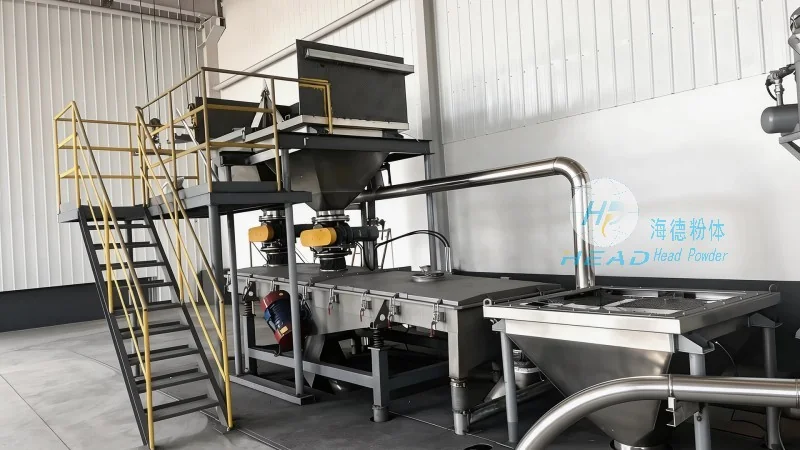
Positive pressure systems excel in scenarios where the material needs to be conveyed over significant distances or through complex layouts. They are particularly effective in environments where the castings fume is generated at a central point and needs to be transported to a remote collection or processing unit. The high-pressure air also helps in overcoming obstacles such as changes in elevation or bends in the pipeline, ensuring a smooth and uninterrupted flow. However, it is important to consider the safety implications of positive pressure systems. Since the system operates at elevated pressures, there is a risk of leaks or pressure build-up that could lead to hazardous conditions if not properly maintained. Regular maintenance and monitoring of the system are essential to mitigate these risks and ensure safe operation.
Understanding Negative Pressure Pneumatic Conveying
Negative pressure conveying, also known as vacuum or suction systems, operates by creating a vacuum in the conveying line, drawing the material into the system. This method pulls the material through the pipeline, making it ideal for applications where the material source is located at a higher elevation or where the material needs to be collected from multiple points. For castings fume, negative pressure systems are often preferred when the fume is generated in a confined space or when the material needs to be transported from a collection point to a processing unit. The vacuum environment helps in capturing the fume efficiently, preventing it from escaping into the ambient air and ensuring compliance with environmental regulations.
Key Features of Negative Pressure Conveying for Castings Fume
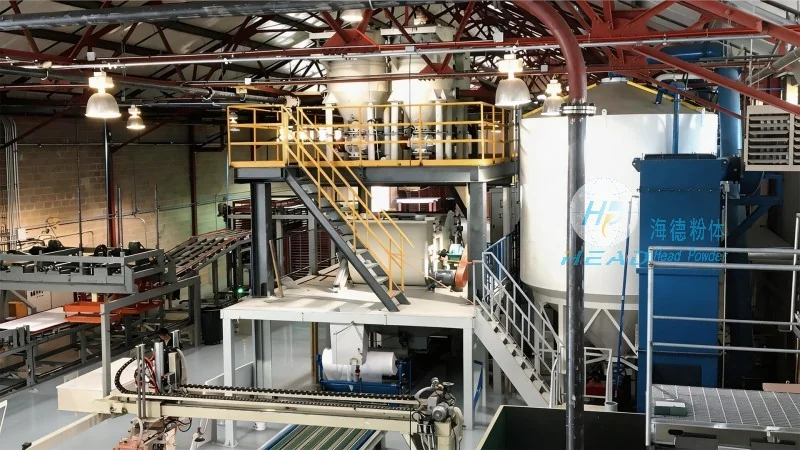
Negative pressure systems are particularly effective for handling fine particles and dust, as the vacuum helps in maintaining a consistent flow rate and preventing clogging. They are also suitable for applications where the material needs to be collected from multiple sources or where the conveying line is exposed to external elements. The vacuum system can be designed to handle materials with varying moisture content, as the low pressure environment does not promote agglomeration or clumping. Additionally, negative pressure systems are generally quieter and less disruptive to the surrounding environment compared to positive pressure systems, making them ideal for operations in sensitive areas.
Advantages and Considerations of Negative Pressure Systems
One of the main advantages of negative pressure systems is their ability to handle materials with high moisture content or sticky properties, as the vacuum helps in maintaining the material's flowability. They are also more suitable for applications where the material source is located at a higher elevation, as the vacuum can effectively pull the material down the pipeline. However, negative pressure systems have some limitations that need to be considered. They are generally less efficient for long-distance conveying, as the vacuum can drop significantly over the length of the line, requiring additional boosters or larger vacuum pumps. This can increase the energy consumption and maintenance costs of the system. Additionally, negative pressure systems are more prone to clogging, especially with abrasive or sticky materials, which may require more frequent cleaning and maintenance.




