

Principle and Classification Application of Lithium Manganese Oxide Pneumatic Conveying
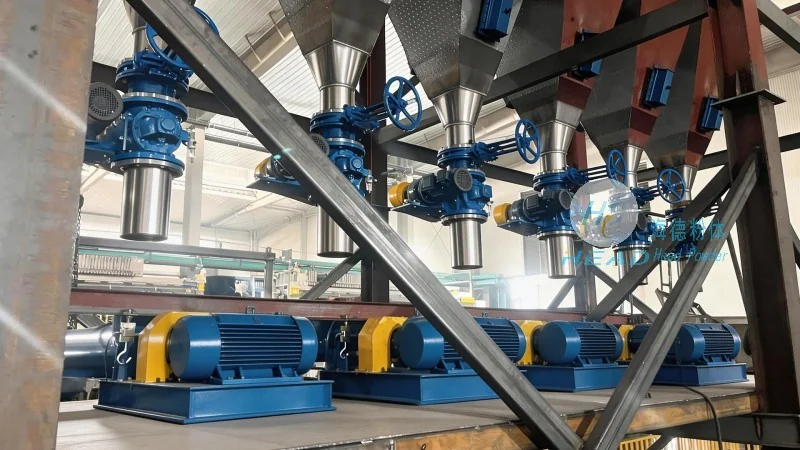
Understanding the pneumatic conveying of lithium manganese oxide is crucial for optimizing material handling processes in various industrial applications. This article provides an in-depth exploration of the working principles and diverse classification applications of lithium manganese oxide (LMO) in pneumatic conveying systems, highlighting the technical aspects and practical implementations.
Introduction to Lithium Manganese Oxide and Pneumatic Conveying
Lithium manganese oxide (LMO) is a critical cathode material widely used in lithium-ion batteries due to its excellent electrochemical performance, thermal stability, and cost-effectiveness. The efficient transport of LMO powders from production lines to processing units is essential for maintaining production efficiency and product quality. Pneumatic conveying, a method that uses air or other gases to transport bulk materials, offers a non-contact, low-cost solution for handling LMO powders, which are often sensitive to moisture and contamination.
Working Principle of Pneumatic Conveying for LMO
The fundamental principle of pneumatic conveying involves the use of a gas stream to transport solid particles through a pipeline. In the case of LMO, the process typically involves generating a high-velocity air flow that entrains the LMO particles, carrying them from the source to the destination. The key components of a pneumatic conveying system for LMO include the material feed hopper, the air compressor or blower, the conveying pipeline, and the receiving hopper. The air flow is controlled to ensure the LMO particles are suspended and transported without clogging or degradation. The velocity and pressure of the air are critical parameters that determine the efficiency and reliability of the conveying process. Proper design of the system, including the selection of appropriate pipeline diameters and air velocities, is essential to prevent particle segregation, agglomeration, and system blockages.
Classification of Pneumatic Conveying Systems for LMO
Pneumatic conveying systems for LMO can be classified into several types based on the method of air supply and the direction of material flow. The primary classifications include:
1. Suction (Induced-Draft) Conveying
Suction conveying, also known as induced-draft conveying, uses a vacuum at the receiving end to draw material from the source. This method is ideal for applications where the material needs to be transported over short distances or where the source is elevated. The system operates by creating a negative pressure at the receiving hopper, which pulls the LMO particles into the pipeline along with the air. Suction conveying is particularly suitable for handling fine powders like LMO, as it minimizes particle breakage and maintains product integrity. However, it has limitations in terms of conveying distance and material capacity compared to other types.
2. Pressure (Blower) Conveying
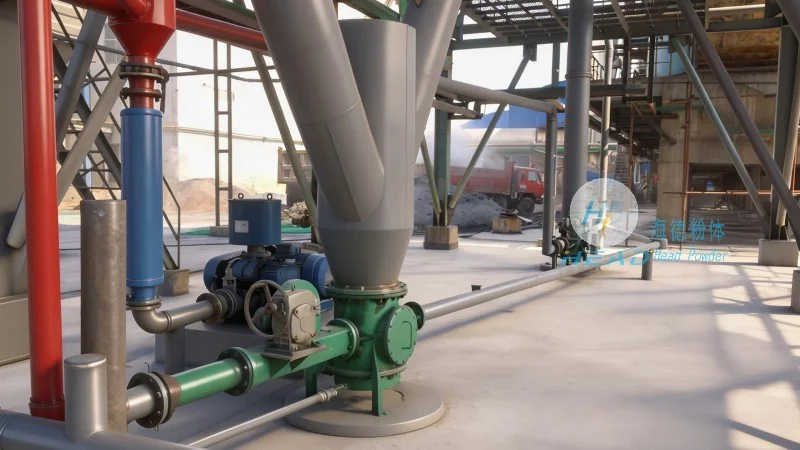
Pressure conveying utilizes a positive pressure generated by a blower or compressor at the material source. The air is forced through the pipeline, carrying the LMO particles from the source to the destination. This method is suitable for longer conveying distances and higher material throughput. Pressure conveying systems can be further divided into positive displacement blowers and centrifugal compressors, each offering different performance characteristics. Positive displacement blowers provide consistent air flow and pressure, making them ideal for handling abrasive or high-density materials like LMO. Centrifugal compressors, on the other hand, are more efficient for large volumes of material and can handle higher air flow rates.
3. Hybrid (Combined) Conveying
Hybrid conveying systems combine elements of both suction and pressure conveying to achieve optimal performance. These systems typically use a blower at the source to push material and a vacuum at the receiver to assist in material flow. Hybrid systems are particularly useful for applications requiring intermediate conveying distances or where the material needs to be transported through complex layouts with multiple bends and changes in elevation. They offer flexibility in handling varying material characteristics and system configurations.
Application Scenarios of LMO Pneumatic Conveying
The classification of pneumatic conveying systems for LMO is closely tied to their application scenarios. Different industries and production processes require tailored solutions to meet specific operational needs. For instance, in battery manufacturing plants, LMO powders are often conveyed from mixing and drying units to coating and cell assembly lines. The choice of conveying system depends on factors such as the distance between the source and destination, the volume of material to be transported, and the sensitivity of the LMO particles to handling conditions.
Key Considerations for LMO Pneumatic Conveying Systems
Implementing an effective pneumatic conveying system for LMO requires careful consideration of several technical and operational factors. These include:
1. Material Properties
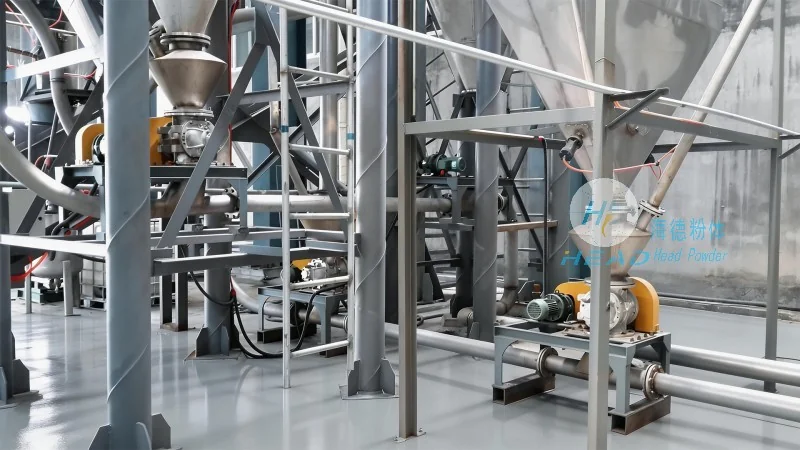
LMO powders have specific physical and chemical properties that influence the conveying process. The particle size distribution, density, and flowability of LMO are critical parameters. Fine powders with high moisture content or tendency to agglomerate require specialized equipment and system designs to prevent blockages and ensure smooth transport. The use of additives or conditioning agents may be necessary to improve the flowability of LMO, especially in suction conveying systems.
2. System Design and Component Selection
The design of the pneumatic conveying system must account for the unique characteristics of LMO. This includes selecting appropriate pipeline materials (e.g., stainless steel or PTFE-lined pipes) to prevent corrosion and contamination, and using high-quality air filtration systems to maintain material purity. The selection of air compressors or blowers should be based on the required air flow rate, pressure, and power consumption. Proper sizing of the pipeline diameter and air velocity is essential to avoid excessive energy consumption or particle degradation.
3. Maintenance and Operational Efficiency
Regular maintenance of the pneumatic conveying system is crucial to ensure long-term reliability and efficiency. This includes cleaning the pipeline and components to prevent buildup of LMO particles, checking for air leaks, and monitoring the performance of the air compressor or blower. Proper operational procedures, such as starting and stopping the system in the correct sequence, can also enhance system longevity and reduce downtime. Implementing automated control systems can further improve operational efficiency by optimizing air flow and material transport based on real-time conditions.
About Shandong HeadPowder Engineering Co., Ltd.
Shandong HeadPowder Engineering Co., Ltd., operating under the brand name headpowder, is a leading provider of specialized engineering solutions for material handling and processing. With a focus on innovation and customer-centric service, the company specializes in designing and manufacturing pneumatic conveying systems tailored to the unique needs of industries such as battery manufacturing, pharmaceuticals, and food processing. Headpowder's expertise in handling sensitive materials like LMO ensures that their systems deliver high performance, reliability, and product quality. The company's headquarters is located in Shandong, China, where it leverages advanced technology and skilled personnel to develop cutting-edge solutions for its global clients.