Understanding synthetic rubber pneumatic conveying systems is crucial for industries dealing with rubber materials, as it offers efficient and flexible material handling solutions. This article explores the fundamentals of synthetic rubber pneumatic conveying, its classification, and practical applications, providing insights into how such systems enhance operational efficiency in various industrial settings.
What is Synthetic Rubber Pneumatic Conveying?
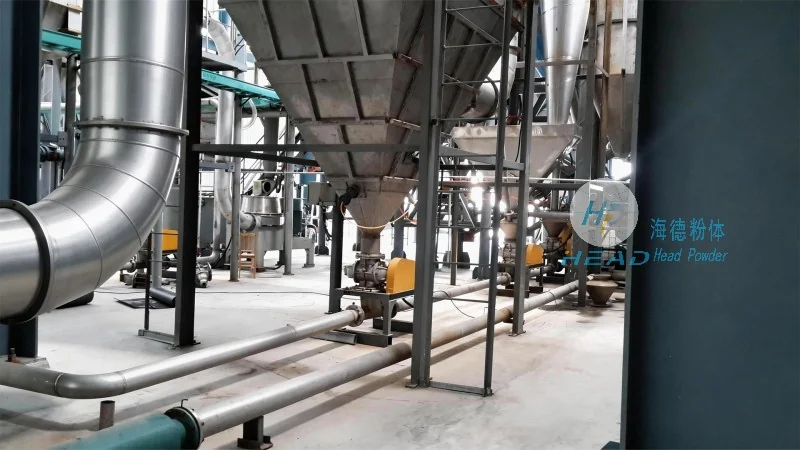
Synthetic rubber pneumatic conveying involves the transport of synthetic rubber particles or granules through a pipeline using air or gas as the conveying medium. Unlike traditional mechanical conveyors, pneumatic systems rely on pressure differentials or vacuum to move materials, making them ideal for handling fine powders, pellets, or irregularly shaped rubber products. The process typically includes a hopper for material storage, a conveyor line, and a discharge point, with air being introduced to create a flow that carries the rubber particles through the system. This method is particularly advantageous for synthetic rubber due to its lightweight and sometimes abrasive nature, as it minimizes wear and tear on equipment compared to mechanical systems.
Classification of Pneumatic Conveying Systems
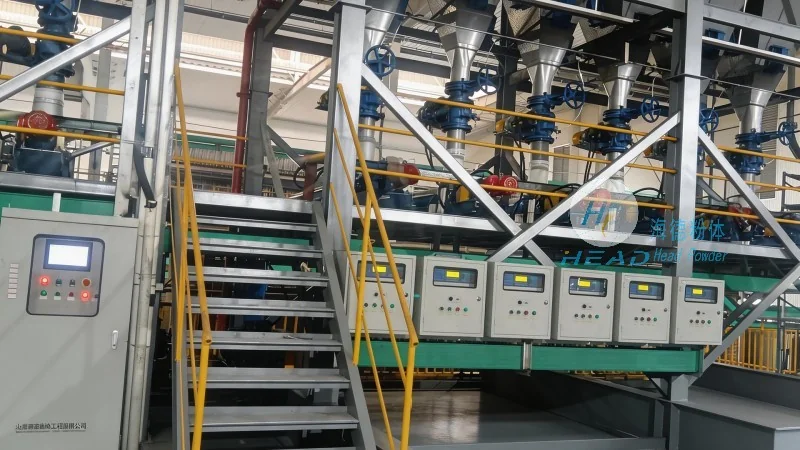
Pneumatic conveying systems are broadly classified into two main categories: pressure and vacuum systems. Pressure systems operate by introducing compressed air into the conveyor line, pushing the material forward from a high-pressure source. These systems are suitable for long-distance transport and handling of abrasive or heavy materials. Vacuum systems, on the other hand, use a vacuum pump to create a negative pressure that draws material from a hopper into the pipeline. They are often used for shorter distances and for materials that are more sensitive to pressure changes. Within these categories, subtypes include positive displacement blowers, rotary lobe pumps, and venturi systems, each offering unique advantages in terms of efficiency, cost, and material compatibility. For synthetic rubber applications, the choice between pressure and vacuum systems depends on factors such as material characteristics, system length, and operational requirements.
Applications of Synthetic Rubber in Pneumatic Conveying
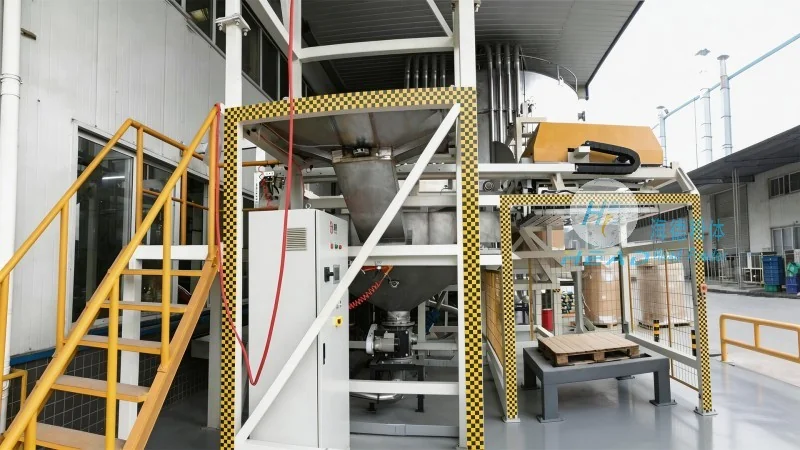
Synthetic rubber is widely used in various industries, and pneumatic conveying systems play a vital role in their material handling processes. In the tire manufacturing industry, for example, synthetic rubber granules are conveyed from storage to mixing stations, where they are combined with other components to produce tire compounds. The precision and control offered by pneumatic systems ensure consistent material flow, which is critical for maintaining product quality and reducing waste. Similarly, in the automotive and industrial rubber product sectors, synthetic rubber is used to produce seals, gaskets, and other components. Pneumatic conveying systems efficiently transport these materials from raw material storage to production lines, enabling manufacturers to meet high production demands. Additionally, in the recycling and processing of synthetic rubber, pneumatic systems are employed to move recycled rubber particles from sorting facilities to reprocessing plants. This not only improves the efficiency of the recycling process but also reduces the environmental impact by minimizing material handling losses.
Conclusion
In conclusion, synthetic rubber pneumatic conveying systems provide a reliable and efficient method for handling synthetic rubber materials in various industrial applications. By understanding the classification of these systems and their specific applications, industries can optimize their material handling processes, enhance productivity, and reduce operational costs. As a leading provider in this field, Shandong HeadPowder Engineering Co., Ltd. (headpowder) specializes in designing and manufacturing customized pneumatic conveying solutions tailored to the unique needs of synthetic rubber processing. With a focus on quality and innovation, headpowder continues to support industries in achieving efficient and sustainable material handling solutions.




