

Positive Pressure and Negative Pressure Conveying of Coal Gangue Powder: A Comparative Analysis of T
Coal gangue powder, a byproduct of coal mining and processing, presents unique challenges in material handling due to its fine particle size and abrasive nature. Pneumatic conveying systems offer efficient solutions for transporting such materials over short to medium distances. This analysis compares two primary pneumatic conveying methods—positive pressure and negative pressure systems—evaluating their suitability for coal gangue powder applications.
Positive Pressure Conveying of Coal Gangue Powder
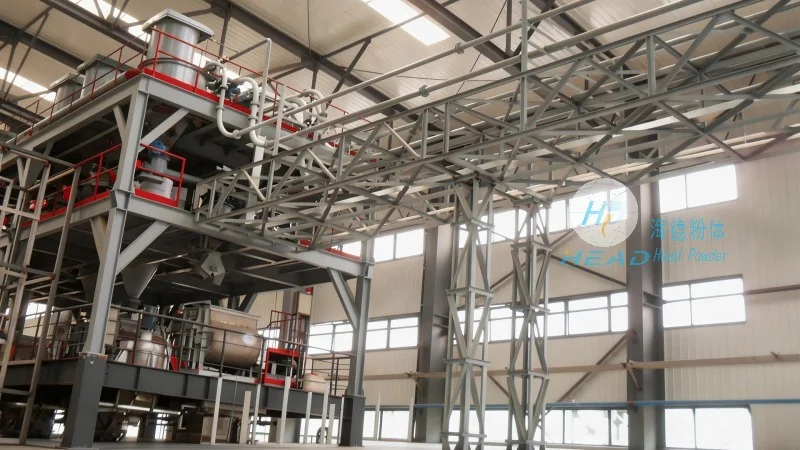
Positive pressure conveying, also known as pressure blow, operates by forcing air and material through a closed pipeline using a positive pressure blower or compressor. In this system, the material is suspended in a stream of air under pressure, moving from the source to the destination. For coal gangue powder, this method is particularly effective when transporting from a storage silo to a processing plant or for short-distance transfers within a facility. The high pressure ensures consistent flow and minimizes blockages, which are common issues with fine powders. However, the system requires robust equipment to handle the abrasive nature of coal gangue, as the high-pressure air can cause wear on pipelines and components. Additionally, positive pressure systems may generate dust emissions if not properly sealed, necessitating additional filtration or containment measures.
Negative Pressure Conveying of Coal Gangue Powder
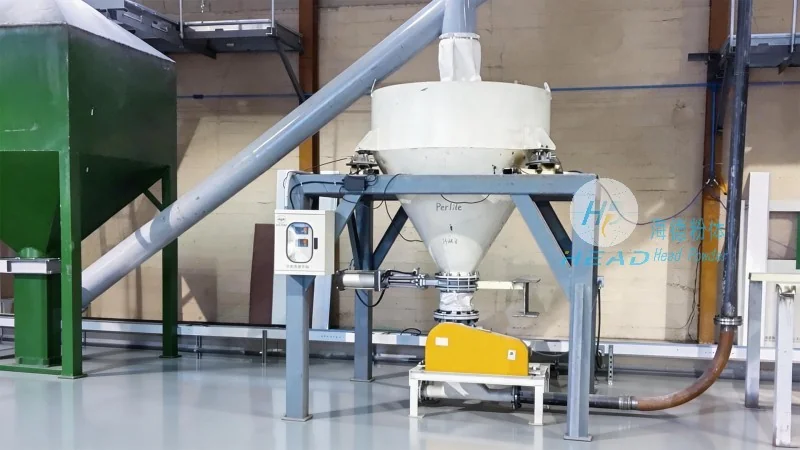
Negative pressure conveying, or vacuum suction, works by creating a vacuum at the receiving end of the pipeline, drawing material and air into the system. The material is then transported to the destination under the pressure differential. This method is often preferred for applications where the material needs to be transported from multiple points to a central collection point, such as in mining operations or waste management facilities. Negative pressure systems are generally more gentle on the material, as the suction process reduces impact and abrasion compared to the high-pressure blow of positive systems. However, they may be less efficient for long-distance or high-volume transport, as the vacuum can lead to lower material velocity and increased energy consumption. Furthermore, negative pressure systems are more susceptible to clogging if the material contains large particles or moisture, which can reduce the suction capacity and require more frequent maintenance.
Key Differences Between Positive and Negative Pressure Conveying
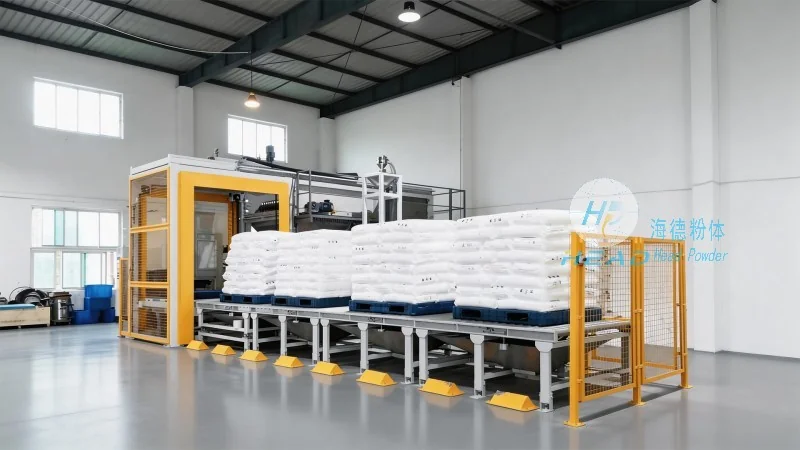
When evaluating the two methods for coal gangue powder, several factors differentiate them in terms of performance, cost, and operational requirements. Positive pressure systems typically offer higher material flow rates and are more suitable for long-distance transport, as the pressure can be maintained consistently along the pipeline. They are also better at handling abrasive materials, as the high-pressure air helps to keep particles suspended and reduces the risk of blockages. In contrast, negative pressure systems are more energy-efficient for short distances and are less likely to cause dust emissions at the source, as the material is drawn into the system rather than expelled. However, the energy consumption of negative pressure systems increases with distance, making them less viable for long-haul transport. Additionally, positive pressure systems require more robust sealing and filtration to prevent dust leakage, while negative pressure systems may need more frequent cleaning of suction nozzles and pipelines to maintain suction efficiency.
Application Considerations for Coal Gangue Powder Conveying
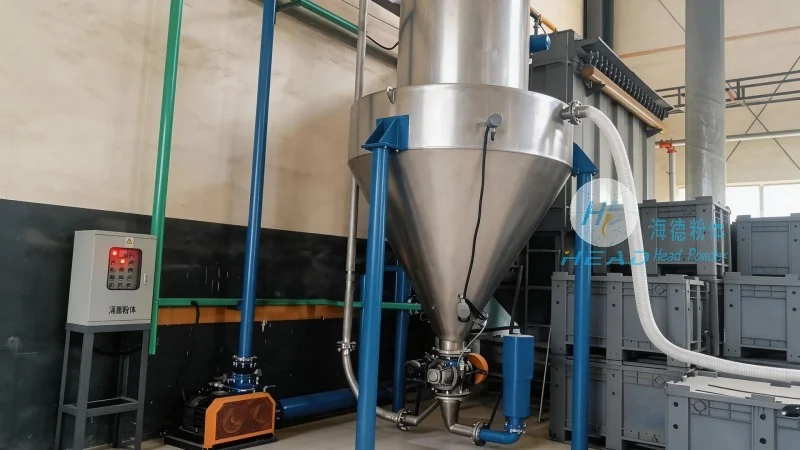
For companies dealing with coal gangue powder, selecting the appropriate pneumatic conveying system depends on several factors, including the distance of transport, the volume of material, and the specific handling requirements. Shandong HeadPowder Engineering Co., Ltd. specializes in designing and implementing customized pneumatic conveying solutions tailored to these needs. The company’s expertise in material handling technology allows it to assess the unique characteristics of coal gangue powder, such as particle size distribution, moisture content, and abrasiveness, to recommend the most efficient system. For example, a short-distance transfer within a processing plant may benefit from a positive pressure system, while a long-distance transport from a mine to a processing facility may require a combination of both systems or a specialized vacuum-assisted design. HeadPowder’s engineers work closely with clients to evaluate the operational environment, including the available space and power supply, to ensure the chosen system meets both performance and safety standards. The company also provides maintenance and support services to optimize the system’s lifespan and minimize downtime, ensuring reliable material transport for coal gangue powder applications.