

Phosphate Sodium Pneumatic Conveying Equipment: Structure and Principle of Powder Handling Systems
Phosphate sodium, a critical chemical compound widely used in various industrial applications, often requires efficient and reliable transportation methods to ensure smooth production processes. The phosphate sodium pneumatic conveying equipment is a specialized system designed to handle the bulk movement of this powder material. This article provides an in-depth look at the structure and operational principles of such equipment, highlighting its importance in modern powder handling technology.
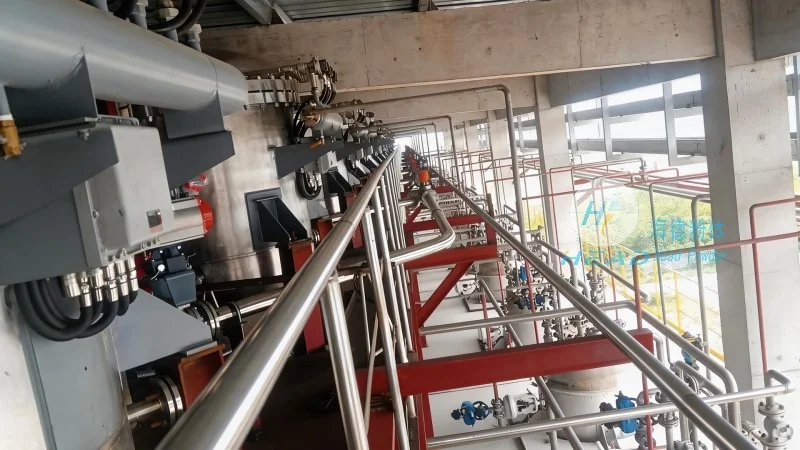
Introduction to Phosphate Sodium Pneumatic Conveying Systems
Phosphate sodium, also known as sodium phosphate, is a white crystalline powder commonly used in agriculture, food processing, and chemical manufacturing. Due to its fine particle size and hygroscopic nature, traditional conveying methods like belt conveyors or bucket elevators may not be suitable, as they can lead to material degradation, dust generation, and operational inefficiencies. Pneumatic conveying systems offer a solution by utilizing air pressure to transport the powder through a sealed pipeline network, minimizing contamination and ensuring consistent flow rates.
Key Components of Phosphate Sodium Pneumatic Conveying Equipment
The phosphate sodium pneumatic conveying system consists of several interconnected components that work in tandem to achieve efficient material transport. The primary components include the material feed hopper, the air compressor or blower, the conveying pipeline, the control valves, and the discharge receiver. Each component plays a crucial role in the overall functionality of the system.
The material feed hopper is responsible for storing and feeding the phosphate sodium powder into the system. It is typically equipped with a rotary valve or a star feeder to regulate the flow rate and prevent material buildup. The air compressor or blower generates the necessary air pressure to move the powder particles through the pipeline. The conveying pipeline, usually made of stainless steel or other corrosion-resistant materials, ensures the powder is transported without leakage or contamination. Control valves, such as airlocks and check valves, regulate the air flow and prevent backflow, maintaining system stability. Finally, the discharge receiver collects the conveyed powder and discharges it into the next processing stage.
Operational Principle of Pneumatic Conveying for Phosphate Sodium
The core principle of pneumatic conveying is the use of air to create a flow of powder particles. There are two main types of pneumatic conveying systems: pressure and vacuum. For phosphate sodium, pressure systems are more commonly used due to their ability to handle higher material loads and longer conveying distances. In a pressure system, the air compressor pressurizes the pipeline, and the powder is introduced into the system at a high velocity, creating a dense phase flow where particles are closely packed and move together as a slurry.
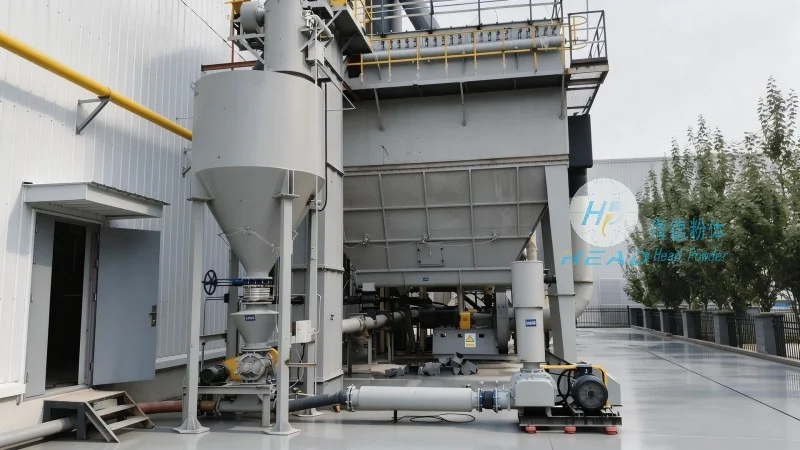
During operation, the phosphate sodium powder is fed into the pipeline at a controlled rate. The air pressure propels the powder particles forward, maintaining a consistent velocity to prevent particle separation or settling. The system's control mechanisms, including pressure sensors and flow meters, monitor the process parameters to ensure optimal performance. This continuous flow ensures that the powder is transported efficiently from the source to the destination, minimizing downtime and operational costs.
Advantages of Using Pneumatic Conveying for Phosphate Sodium
Implementing a pneumatic conveying system for phosphate sodium offers several advantages over traditional conveying methods. Firstly, it provides a dust-free and sealed environment, reducing the risk of contamination and improving workplace safety. The enclosed pipeline system prevents material exposure to air, moisture, or other contaminants, maintaining the quality of the phosphate sodium. Secondly, pneumatic conveying systems are highly flexible, allowing for changes in conveying distance or direction without significant modifications to the infrastructure. This adaptability makes them suitable for various industrial settings, from small-scale laboratories to large-scale production facilities.
Additionally, pneumatic conveying systems are energy-efficient compared to other methods, as they use compressed air to move the material rather than mechanical components like belts or buckets. The absence of moving parts in the pipeline reduces maintenance requirements and extends the system's lifespan. Furthermore, the system's ability to handle fine powders without clogging or blockages makes it ideal for phosphate sodium, which can be prone to agglomeration under certain conditions.
Applications and Industrial Use Cases
The phosphate sodium pneumatic conveying equipment is widely used in industries where fine powder handling is critical. In the chemical industry, it is employed in the production of detergents, fertilizers, and pharmaceuticals, where consistent powder quality is essential. In the food industry, it is used for transporting phosphate sodium used as a food additive, ensuring compliance with food safety regulations. The agricultural sector also benefits from this technology, as phosphate sodium is a key component in fertilizer formulations, requiring efficient transportation to farms and processing plants.
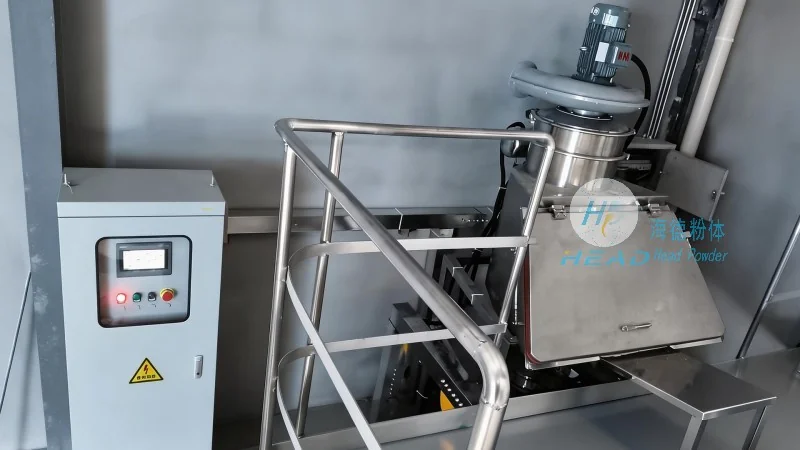
Moreover, the system's versatility allows it to be integrated into existing production lines, enhancing overall operational efficiency. By reducing material handling time and improving process consistency, the pneumatic conveying system contributes to cost savings and increased productivity. The reliability of the system, particularly in handling hygroscopic materials like phosphate sodium, makes it a preferred choice for industries that demand high-quality output and minimal downtime.
Maintenance and Operational Considerations
Proper maintenance is essential to ensure the long-term performance and reliability of the phosphate sodium pneumatic conveying equipment. Regular inspection of the air compressor and blower for wear and tear, cleaning of the pipeline to prevent powder buildup, and checking of control valves for proper operation are crucial steps. The material feed hopper and rotary valves should be cleaned periodically to avoid clogging and ensure consistent flow rates. Additionally, monitoring the system's pressure and flow rates helps identify any potential issues before they escalate into major problems.
Operational considerations also include the selection of appropriate air pressure and flow rates based on the specific characteristics of the phosphate sodium powder. The particle size, density, and moisture content of the material affect the system's performance, and adjustments may be necessary to maintain optimal conveying conditions. Training operators on the proper use and maintenance of the equipment is also vital to prevent accidents and ensure efficient operation.
Conclusion
Phosphate sodium pneumatic conveying equipment represents a sophisticated solution for the efficient and safe transportation of fine powder materials. The system's structure, comprising of feed hoppers, air compressors, pipelines, and control valves, works in harmony to deliver consistent and reliable performance. By leveraging pneumatic conveying principles, industries can enhance their production processes, reduce operational costs, and maintain the quality of phosphate sodium products. As a leading provider in this field, Shandong HeadPowder Engineering Co., Ltd. specializes in designing and manufacturing customized pneumatic conveying systems tailored to the specific needs of phosphate sodium handling applications, ensuring optimal performance and durability.