

What is a Expanded Clay Aggregate Pneumatic Conveying Equipment? An Introduction to the Structure an
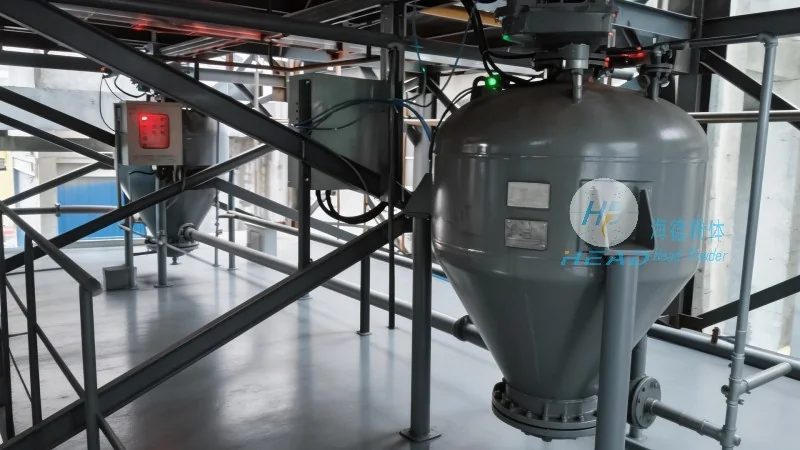
Expanded clay aggregate pneumatic conveying equipment is a specialized system designed for the efficient and reliable transport of bulk powder materials, such as expanded clay aggregates. This equipment operates on the principle of pneumatic conveying, which involves the use of air or gas to move particles through a pipeline. The structure and working principle of such equipment are critical for ensuring optimal performance in industrial applications.
Company Introduction
Shandong HeadPowder Engineering Co., Ltd., based in Shandong, China, is a leading manufacturer specializing in the design, development, and production of advanced powder handling equipment. With years of experience in the industry, the company has established itself as a trusted provider of high-quality pneumatic conveying systems tailored to meet the diverse needs of various sectors, including construction, agriculture, and manufacturing.
Basic Principle of Pneumatic Conveying
The core concept behind pneumatic conveying is the movement of solid particles suspended in a gas stream. This method can be categorized into two main types: positive pressure (or pressure) systems and negative pressure (or vacuum) systems. In a positive pressure system, air is blown into the conveying line at a pressure higher than the ambient air, pushing the material forward. Conversely, a negative pressure system uses a vacuum to draw material into the line. For expanded clay aggregates, which are lightweight and can be prone to dusting, a positive pressure system is often preferred as it provides better control over particle flow and reduces the risk of material degradation.
Structural Components of Expanded Clay Aggregate Pneumatic Conveying Equipment
The typical structure of an expanded clay aggregate pneumatic conveying system includes several key components, each playing a vital role in the overall operation. These components are designed to work in harmony to ensure efficient material transport from the source to the destination.
1. Feeding System
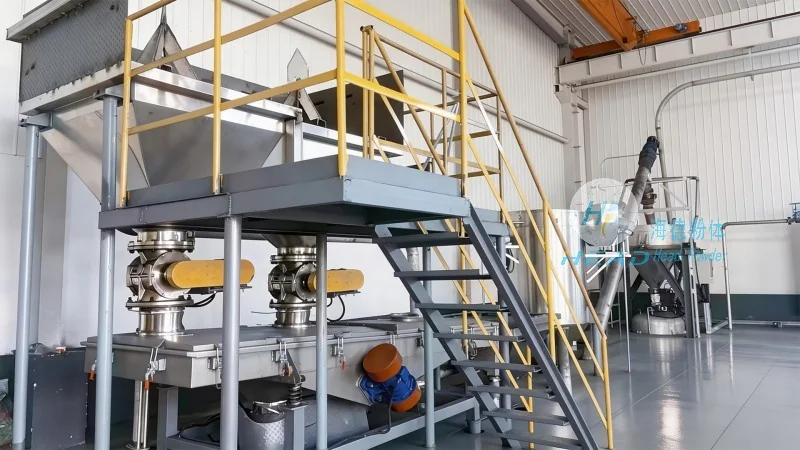
The feeding system is responsible for introducing the expanded clay aggregate into the conveying line. This component typically includes a hopper or bin equipped with a feeder, such as a rotary valve or a screw feeder. The feeder regulates the flow rate of the material, ensuring a consistent and controlled feed to the rest of the system. For expanded clay aggregates, which can have varying bulk densities and flow characteristics, a well-designed feeder is crucial to prevent blockages and maintain smooth operation.
2. Air Preparation and Source
The air preparation unit is responsible for providing the necessary air or gas for the conveying process. This system includes an air compressor, which generates the required pressure, and a filter to remove contaminants from the air. The air is then conditioned to the appropriate temperature and humidity levels to prevent moisture absorption or material caking. For expanded clay aggregates, which are hygroscopic to some extent, proper air conditioning is essential to maintain material quality during transport.
3. Conveying Pipeline
The conveying pipeline is the main channel through which the expanded clay aggregate is transported. It is typically made of materials such as stainless steel or PVC, chosen for their resistance to corrosion and wear. The pipeline is designed with appropriate bends and fittings to accommodate the path from the feeding point to the discharge point. The diameter and length of the pipeline are critical factors that affect the conveying efficiency and pressure drop. For expanded clay aggregates, which are lightweight and can create low pressure drops, a larger diameter pipeline may be used to minimize energy consumption.
4. Separation and Discharge System
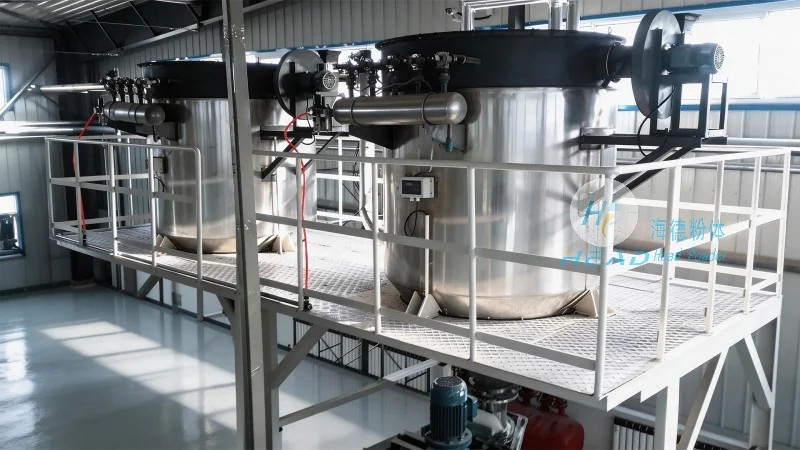
The separation system is responsible for separating the material from the air at the end of the conveying line. This component typically includes a cyclone separator or a bag filter. The cyclone uses centrifugal force to separate the particles from the air, while the bag filter uses fabric bags to trap the particles. The separated material is then discharged into a receiving hopper or container. For expanded clay aggregates, which are fine and can generate dust, a high-efficiency separator is essential to prevent environmental contamination and ensure compliance with regulatory standards.
5. Control and Monitoring System
The control and monitoring system is responsible for managing the operation of the entire pneumatic conveying equipment. This system includes sensors and controllers that monitor parameters such as pressure, flow rate, and temperature. The system can be programmed to adjust the operation of the feeder, compressor, and other components based on real-time conditions. For expanded clay aggregate applications, where precise control over material flow is required, an advanced control system can enhance operational efficiency and reduce downtime.
Working Principle of the Equipment
When the system is started, the feeder introduces the expanded clay aggregate into the conveying line. Simultaneously, the air compressor provides the necessary air pressure. The air and material mixture travels through the pipeline, with the air carrying the particles forward. At the discharge point, the separation system removes the material from the air. The clean air is then discharged to the atmosphere, while the material is collected in the receiving container. The entire process is controlled by the monitoring system, which ensures that all parameters are within the desired range. This continuous operation allows for the efficient and reliable transport of expanded clay aggregates over long distances and at high speeds.
Advantages of Expanded Clay Aggregate Pneumatic Conveying Equipment
Using a pneumatic conveying system for expanded clay aggregates offers several advantages over traditional methods such as belt conveyors or bucket elevators. These advantages include:
1. Reduced Material Damage
The gentle handling of the material by the air stream minimizes the risk of breakage or degradation of the expanded clay aggregates. This is particularly important for applications where the material's properties, such as its lightweight and porous structure, are critical.
2. Improved Hygiene and Safety
Pneumatic conveying systems are enclosed, which prevents dust from escaping into the environment. This reduces the risk of dust-related health issues and ensures compliance with environmental regulations. The system also eliminates the need for manual handling of bulk materials, improving workplace safety.
3. Flexibility in Layout
The modular design of pneumatic conveying equipment allows for flexible installation and layout. The pipeline can be arranged in various configurations, including vertical, horizontal, or inclined paths, to suit the specific requirements of the facility. This flexibility makes it easier to integrate the system into existing production lines or to expand the operation in the future.
4. Energy Efficiency
Modern pneumatic conveying systems are designed to be energy-efficient. The use of positive pressure systems and optimized pipeline designs reduces the energy consumption compared to traditional methods. Additionally, the ability to transport materials over long distances without the need for multiple transfer points minimizes energy losses.
Applications of Expanded Clay Aggregate Pneumatic Conveying Equipment
Expanded clay aggregate pneumatic conveying equipment is widely used in various industries where bulk powder handling is required. Some common applications include:
1. Construction Industry
In the construction sector, expanded clay aggregates are used as lightweight aggregates in concrete and mortar. Pneumatic conveying systems are used to transport these aggregates from storage silos to batching plants or mixing stations. This ensures a consistent and high-quality supply of material, which is crucial for achieving the desired strength and durability of the final product.
2. Agricultural Industry
In agriculture, expanded clay aggregates are used as growing media for hydroponic systems and as soil amendments. Pneumatic conveying equipment is used to transport these materials from storage facilities to greenhouses or farms. This allows for efficient distribution of the material, ensuring that plants receive the right amount of nutrients and support.
3. Manufacturing Industry
In manufacturing, expanded clay aggregates are used as fillers or additives in various products, such as plastics, ceramics, and composites. Pneumatic conveying systems are used to transport these materials from raw material storage to production lines. This ensures a continuous and controlled supply of material, which is essential for maintaining production efficiency and product quality.
Conclusion
Expanded clay aggregate pneumatic conveying equipment is a sophisticated and efficient solution for the transport of bulk powder materials. The structure and working principle of such equipment are designed to meet the specific requirements of expanded clay aggregates, ensuring optimal performance and reliability. With its advantages in material handling, hygiene, flexibility, and energy efficiency, this equipment has become an essential component in various industrial applications. As a leading manufacturer, Shandong HeadPowder Engineering Co., Ltd. continues to innovate and improve its products to meet the evolving needs of the market, providing high-quality pneumatic conveying systems that deliver superior performance and value to its customers.