Clay pneumatic conveying technology represents a critical solution for the efficient handling and transportation of clay materials across various industrial sectors. As a leading provider in this field, Shandong HeadPowder Engineering Co., Ltd. (hereinafter referred to as HeadPowder) specializes in advanced pneumatic conveying systems tailored for clay processing applications. This article delves into the fundamental principles, practical applications, and emerging trends of clay pneumatic conveying technology, highlighting how these systems enhance operational efficiency and material handling capabilities.
About HeadPowder: A Specialist in Clay Handling Solutions
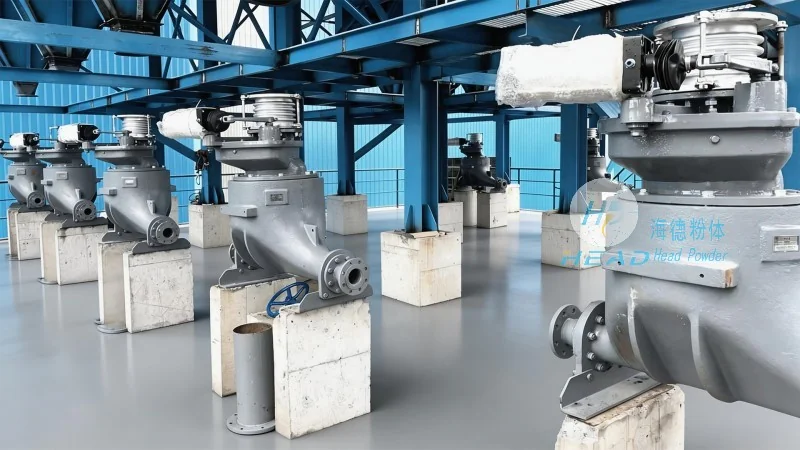
HeadPowder, operating from Shandong, China, is dedicated to delivering innovative engineering solutions for the clay industry. With a focus on pneumatic conveying technology, the company combines expertise in material science, mechanical engineering, and process optimization to develop customized systems that meet the unique demands of clay processing facilities. HeadPowder's commitment to quality and customer satisfaction has established it as a trusted partner for businesses seeking reliable and efficient clay handling solutions.
Principles of Clay Pneumatic Conveying
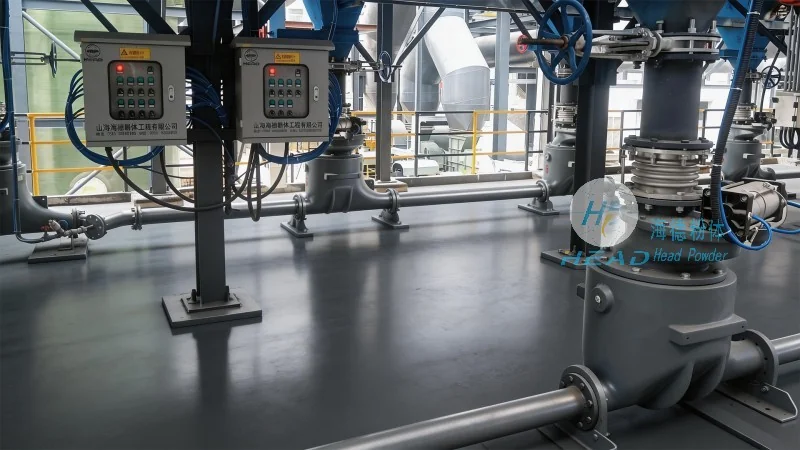
Clay pneumatic conveying operates on the principle of transporting dry or semi-dry clay particles through a pipeline using compressed air. The system typically consists of a hopper for material storage, a rotary valve for controlled material discharge, a conveying line, and a receiver for material deposition. The key mechanism involves creating a low-pressure zone in the pipeline, which draws the clay particles into the air stream. This process, known as dilute-phase or dense-phase conveying, depends on the particle size, moisture content, and air velocity to ensure stable and efficient transport. Dilute-phase conveying is suitable for fine clay particles with low moisture content, while dense-phase conveying is preferred for bulkier or more cohesive clay materials, offering higher material density and reduced wear on equipment.
Applications in Clay Processing and Handling
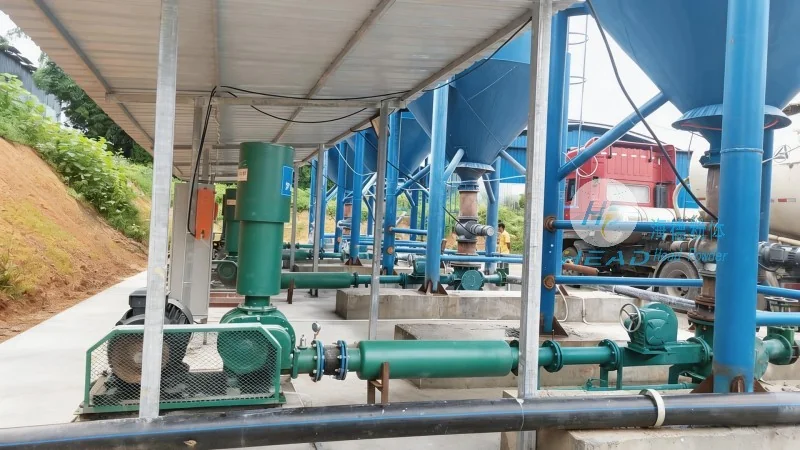
Clay pneumatic conveying systems find extensive applications in the clay industry, including mining, ceramics, and construction material production. In mining operations, these systems are used to transport raw clay from extraction sites to processing plants, minimizing the need for traditional trucking and reducing environmental impact. For ceramic manufacturers, pneumatic conveying ensures the consistent delivery of clay to mixing and molding equipment, maintaining product quality and reducing downtime. In construction material production, such as brick and tile manufacturing, clay pneumatic conveying facilitates the efficient transfer of raw materials to production lines, enhancing overall production throughput. Additionally, the technology is applied in waste clay recycling and reclamation processes, where it helps recover and reuse clay from industrial byproducts, promoting sustainability in clay processing.
Emerging Trends and Future Developments
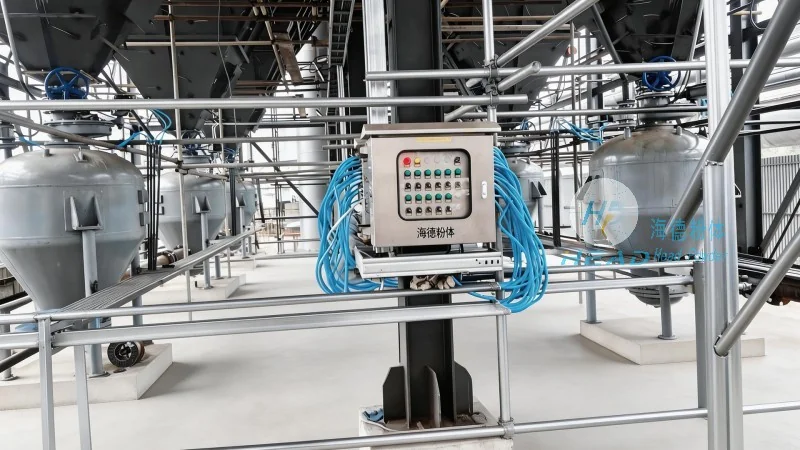
The clay pneumatic conveying technology is continuously evolving to meet the growing demands of modern industrial applications. One significant trend is the integration of advanced control systems, such as PLC (Programmable Logic Controller) and SCADA (Supervisory Control and Data Acquisition), which enable real-time monitoring and automation of conveying processes. This integration enhances operational efficiency, reduces human error, and allows for precise control over material flow rates and pressure levels. Another trend is the development of energy-efficient conveying systems, incorporating variable frequency drives (VFDs) and optimized air compressors to minimize energy consumption while maintaining conveying performance. Furthermore, the adoption of materials with improved wear resistance, such as high-chrome steel and ceramic liners, extends the service life of conveying components and reduces maintenance costs. The future of clay pneumatic conveying also includes the exploration of hybrid systems that combine pneumatic and mechanical conveying methods, offering flexibility in handling diverse clay types and particle sizes. These advancements aim to enhance the reliability, efficiency, and sustainability of clay handling operations, supporting the long-term growth of the clay industry.




