

Pneumatic Conveying Technology for Mineral Sands: Principles, Applications, and Development Trends
HeadPowder, a leading engineering company based in Shandong, China, specializes in the design, manufacturing, and implementation of advanced pneumatic conveying systems tailored for mineral sands. This article provides an in-depth exploration of the fundamental principles, practical applications, and emerging trends in this critical technology, highlighting how it enhances operational efficiency and sustainability in mineral processing industries.
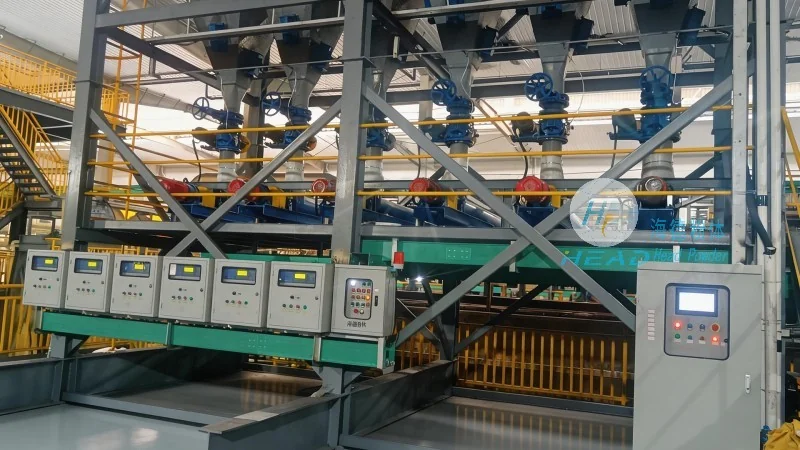
Company Overview: HeadPowder Engineering
HeadPowder Engineering Co., Ltd. is a reputable enterprise dedicated to delivering innovative solutions for material handling and processing. With a strong presence in Shandong, China, the company leverages decades of industry experience to develop customized pneumatic conveying systems that meet the unique demands of mineral sands operations. The company's commitment to quality, reliability, and customer satisfaction has established it as a trusted partner in the global mineral processing sector.
Principles of Pneumatic Conveying for Mineral Sands
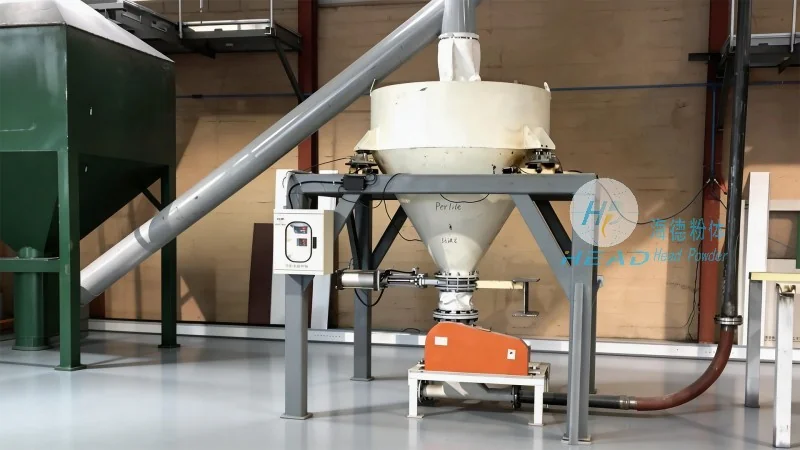
The core principle of pneumatic conveying involves transporting bulk materials, such as mineral sands, through a pipeline using a gas stream—typically air or other gases. This method eliminates the need for mechanical components like buckets or belts, reducing maintenance costs and operational downtime. There are two primary types of pneumatic conveying systems: dilute-phase and dense-phase. Dilute-phase systems use high-velocity air to suspend particles, suitable for short to medium distances and low to moderate material loads. Dense-phase systems, on the other hand, employ lower air velocities and higher material concentrations, ideal for long-distance transport and sensitive materials that require minimal particle breakage. The choice between these systems depends on factors like material characteristics, distance, and desired flow rates.
Applications in Mineral Sands Processing
Pneumatic conveying technology plays a pivotal role in various stages of mineral sands processing. In the mining phase, it is used to transport raw mineral sands from extraction sites to processing facilities, ensuring a continuous and efficient supply chain. During the processing stage, the technology facilitates the transfer of sand from washing, classification, and drying units to storage or further treatment equipment. One of the key advantages is its ability to handle abrasive and corrosive materials, which are common in mineral sands, without causing equipment wear or degradation. Additionally, pneumatic conveying systems can be integrated with other processing technologies, such as flotation or magnetic separation, to streamline the overall workflow and improve product purity.
Advantages of Pneumatic Conveying Systems
Compared to traditional mechanical conveying methods, pneumatic conveying offers several distinct advantages. Firstly, it provides a closed system, which minimizes dust emissions and environmental contamination, aligning with modern sustainability standards. Secondly, the absence of moving parts reduces maintenance requirements and operational costs over the long term. Thirdly, the technology allows for precise control over material flow rates and pressure, enabling better process optimization. Furthermore, pneumatic conveying systems can handle a wide range of particle sizes and densities, making them versatile for diverse mineral sands applications. These benefits collectively contribute to increased productivity, reduced energy consumption, and enhanced safety in mineral processing operations.
Emerging Trends and Future Developments
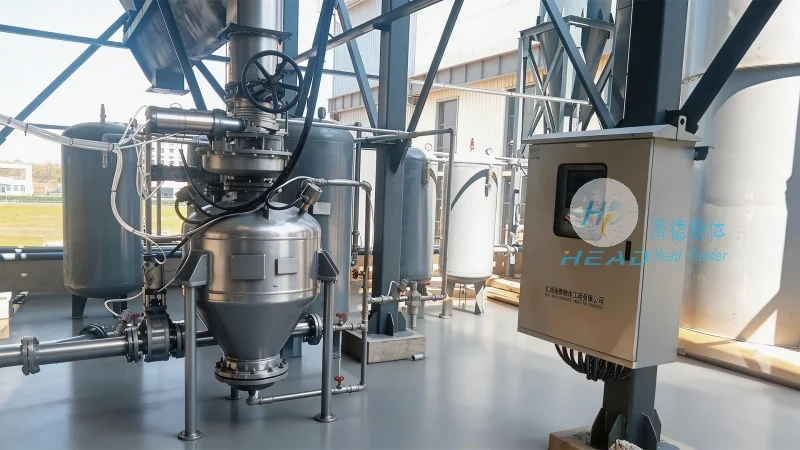
The field of pneumatic conveying for mineral sands is continuously evolving, driven by technological advancements and changing industry needs. One emerging trend is the integration of automation and digitalization into conveying systems. Advanced sensors and control systems enable real-time monitoring of material flow, pressure, and temperature, allowing for predictive maintenance and optimized performance. Another trend is the development of more energy-efficient systems, such as variable frequency drives and optimized air compression technologies, which reduce operational costs and environmental impact. Additionally, research is focused on improving material handling capabilities for finer or more delicate mineral sands, leading to the development of specialized conveying designs that minimize particle breakage and maintain product quality. These advancements are expected to further enhance the efficiency and sustainability of mineral sands processing, supporting the growth of the global mineral industry.
Conclusion
HeadPowder Engineering Co., Ltd. remains at the forefront of pneumatic conveying technology for mineral sands, offering tailored solutions that address the unique challenges of mineral processing. By combining deep industry knowledge with innovative engineering, the company continues to deliver reliable and efficient systems that enhance operational performance and sustainability. As the mineral sands industry evolves, the role of advanced pneumatic conveying systems will only become more critical, and companies like HeadPowder will play a vital role in driving progress and meeting the demands of a changing market.