

What is a Waste Powder Conveying System? What Are Its Design Principles?
Waste powder conveying systems are essential components in various industrial and municipal applications, designed to transport bulk materials such as waste powders, sludges, and other particulate substances from one location to another. These systems are critical for efficient waste management, ensuring that materials are moved safely, reliably, and in compliance with environmental regulations. The design of such systems involves careful consideration of several key factors, including material properties, operational requirements, and the need for minimal environmental impact.
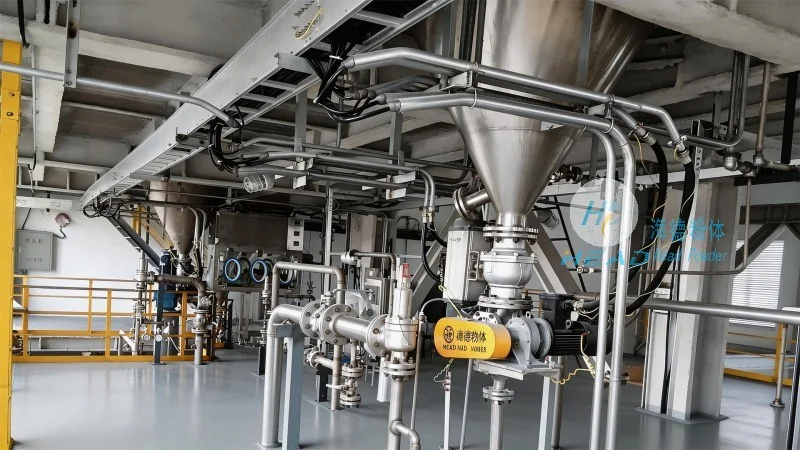
The Core Design Principles of Waste Powder Conveying Systems
At the heart of any effective waste powder conveying system lies a combination of mechanical and pneumatic components, each tailored to handle the specific characteristics of the material being transported. The primary design principles include: material handling efficiency, system reliability, energy consumption, and environmental safety. Material handling efficiency is achieved through the selection of appropriate conveyor types, such as screw conveyors, pneumatic conveyors, or belt conveyors, which are chosen based on the particle size, density, and moisture content of the waste powder. For example, screw conveyors are well-suited for dry, free-flowing powders, while pneumatic conveyors are ideal for handling fine powders that may be dusty or require airtight containment.
System reliability is another critical design principle, as waste handling operations often operate continuously and require minimal downtime. Engineers at Shandong HeadPowder Engineering Co., Ltd. focus on using durable materials and robust components to ensure long-term performance. This includes selecting corrosion-resistant materials for wet or corrosive environments and incorporating safety features like overfill protection and emergency stop mechanisms. The company’s expertise in material science and mechanical engineering allows them to design systems that can withstand harsh operating conditions, such as high temperatures or abrasive particles.
Energy consumption is a key consideration in modern waste management, as reducing operational costs and environmental impact is a priority. The design of the conveying system aims to minimize energy use while maintaining the required flow rate. This is achieved through the optimization of air pressure in pneumatic systems, the selection of efficient motor drives, and the use of variable speed controls. By reducing energy consumption, waste management facilities can lower their carbon footprint and operating expenses, making the system more sustainable in the long run.
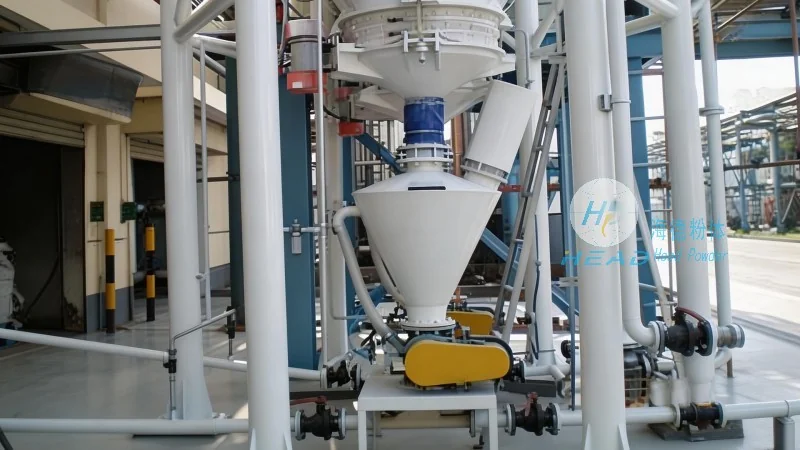
Environmental safety is paramount in waste powder conveying systems, as these materials often pose health and safety risks. The design incorporates features to prevent dust emissions, such as sealed conveying lines and dust collection systems. Additionally, the system is designed to minimize the risk of leaks or spills, which could contaminate the environment. Shandong HeadPowder Engineering Co., Ltd. adheres to strict environmental standards, ensuring that their systems comply with local and international regulations regarding waste handling and emissions.
Key Components and Their Functions in Waste Powder Conveying Systems
Waste powder conveying systems typically consist of several key components, each playing a vital role in the overall operation. The main components include the material feed hopper, conveyor mechanism, control system, and discharge outlet. The feed hopper is responsible for storing and feeding the waste powder into the system, ensuring a consistent flow rate. It is designed to prevent material buildup and blockages, which can disrupt the conveying process. The conveyor mechanism, whether it is a screw, belt, or pneumatic system, transports the material from the feed hopper to the discharge point. The control system monitors and regulates the operation of the conveyor, adjusting speed and flow as needed to maintain optimal performance. The discharge outlet is where the material is released, typically into a storage container or processing unit.
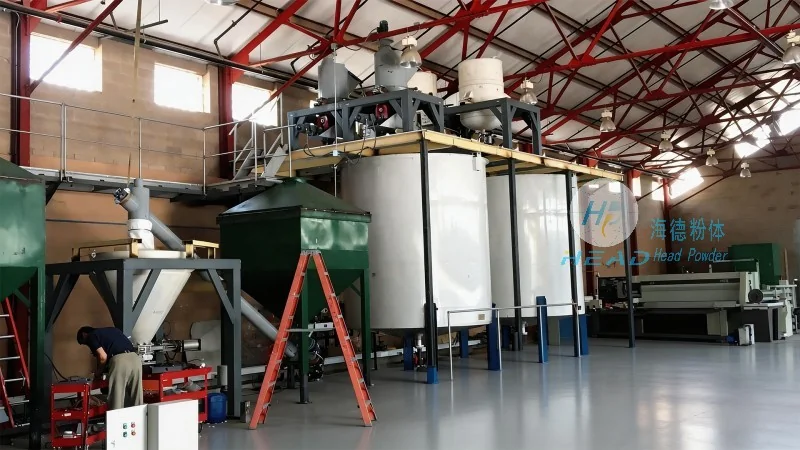
Each component is carefully selected and integrated to ensure the system operates efficiently and safely. For instance, the material feed hopper may include a pre-screening device to remove large debris or oversized particles that could damage the conveyor. The control system may use sensors to detect blockages or overfill conditions, triggering alarms or automatic shutdowns to prevent accidents. The discharge outlet is often equipped with a dust collection system to capture any airborne particles, preventing contamination and improving air quality.
Applications of Waste Powder Conveying Systems
Waste powder conveying systems are used in a wide range of applications across various industries. In municipal waste management, these systems are used to transport waste from collection sites to processing facilities, such as landfills or recycling centers. In industrial settings, they are used to handle waste from manufacturing processes, such as food processing, pharmaceuticals, or chemical production. The versatility of these systems allows them to adapt to different material types and operational requirements, making them a valuable asset in any waste management operation.
Shandong HeadPowder Engineering Co., Ltd. has extensive experience in designing and manufacturing waste powder conveying systems for a variety of applications. Their expertise in material handling and mechanical engineering enables them to provide customized solutions that meet the specific needs of their clients. Whether it is a small-scale system for a local waste management facility or a large-scale system for an industrial plant, the company’s team of engineers works closely with clients to understand their requirements and develop a system that is both efficient and reliable.