

What is a Cotton Seed Powder Conveying System? And What Are Its Design Principles?
Designed and manufactured by Shandong HeadPowder Engineering Co., Ltd., a leading provider of bulk material handling solutions, the cotton seed powder conveying system is a specialized piece of equipment designed to handle the transportation of cotton seed powder, a fine and potentially abrasive material. These systems are integral to the processing workflow in cotton seed oil extraction, feed production, and other related industries. The primary goal of such a system is to move the cotton seed powder with minimal loss, low energy consumption, and high safety standards.
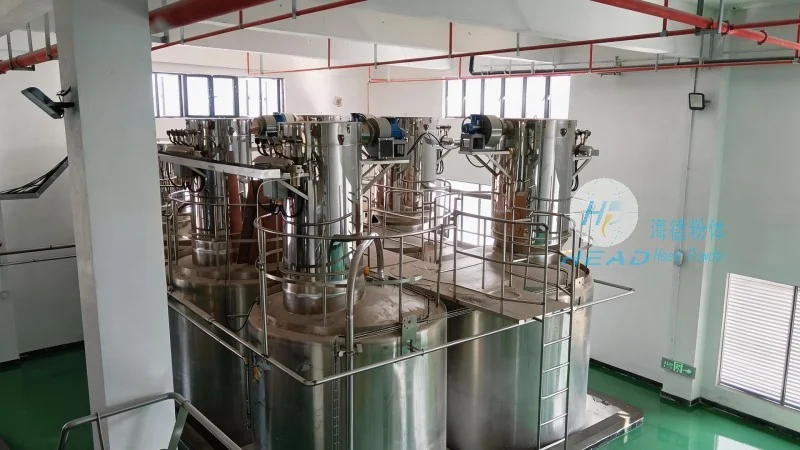
Introduction to Cotton Seed Powder Conveying Systems
The cotton seed powder conveying system is a specialized piece of equipment designed to handle the transportation of cotton seed powder, a fine and potentially abrasive material. These systems are integral to the processing workflow in cotton seed oil extraction, feed production, and other related industries. The primary goal of such a system is to move the cotton seed powder with minimal loss, low energy consumption, and high safety standards.
Design Principles of Cotton Seed Powder Conveying Systems
The design of a cotton seed powder conveying system adheres to several key principles to ensure effective operation. First, the system must be constructed from materials that are resistant to corrosion and wear, as cotton seed powder can be abrasive and may contain moisture or other contaminants that could damage standard equipment. Common materials include stainless steel, special alloys, and high-quality plastics that can withstand the mechanical stress and chemical exposure associated with cotton seed processing.
Second, the system employs a combination of components that work in harmony to achieve efficient conveying. This typically includes a hopper for material storage, a feeder to control the flow rate, a conveyor mechanism (such as a screw conveyor, pneumatic conveyor, or belt conveyor), and a discharge point for the material. The choice of conveyor type depends on the specific characteristics of the cotton seed powder, including its particle size, density, and moisture content. For example, a screw conveyor is often used for relatively dry and free-flowing powders, while a pneumatic conveyor may be preferred for fine powders that are prone to dusting or require a more controlled flow.
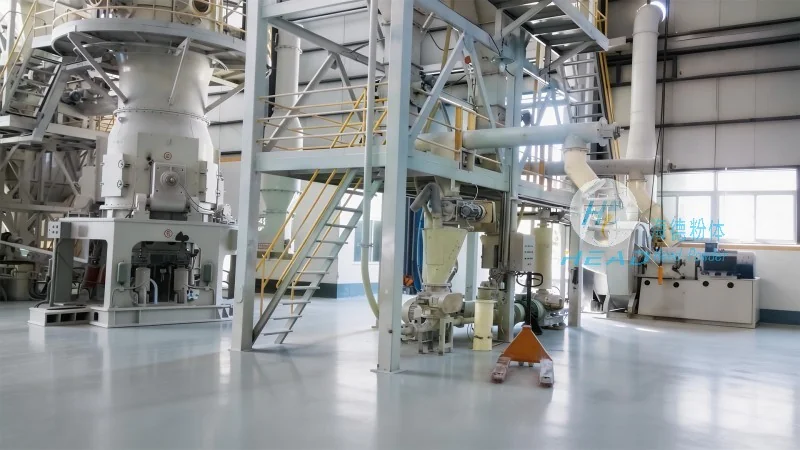
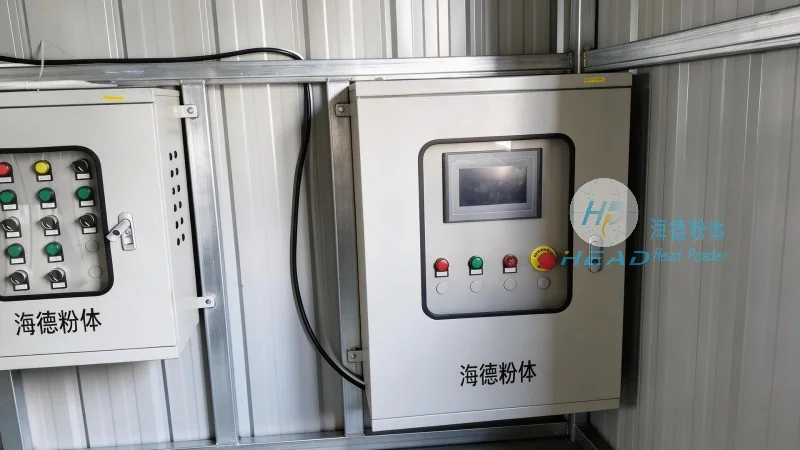
Third, the system incorporates features that enhance safety and operational efficiency. This includes dust suppression mechanisms to prevent the spread of fine powder particles, which can be a health hazard and cause environmental issues. Additionally, the system is designed with easy access points for maintenance and cleaning, ensuring that it can be kept in optimal working condition with minimal downtime. The control system, often integrated with sensors and automation, allows for real-time monitoring of the conveying process, enabling operators to adjust parameters such as flow rate and pressure as needed to maintain consistent performance.
Key Components and Their Functions
Each component of the cotton seed powder conveying system plays a critical role in the overall operation. The hopper serves as the storage container, providing a large capacity to hold the cotton seed powder before it is conveyed. It is typically designed with a sloped bottom to facilitate the flow of material into the feeder. The feeder, often a rotary valve or a vibratory feeder, regulates the flow rate of the powder from the hopper to the conveyor. This control is essential to prevent overloading the conveyor and to maintain a steady flow, which is crucial for consistent processing downstream.
The conveyor mechanism is the heart of the system, responsible for moving the cotton seed powder from the feeder to the discharge point. For screw conveyors, a rotating screw (or auger) pushes the material forward through a tube. The speed and pitch of the screw can be adjusted to control the conveying rate and the pressure exerted on the material. Pneumatic conveyors, on the other hand, use air pressure to transport the powder through a pipeline. This method is particularly effective for fine powders that are difficult to handle with mechanical conveyors, as it minimizes friction and allows for longer conveying distances.
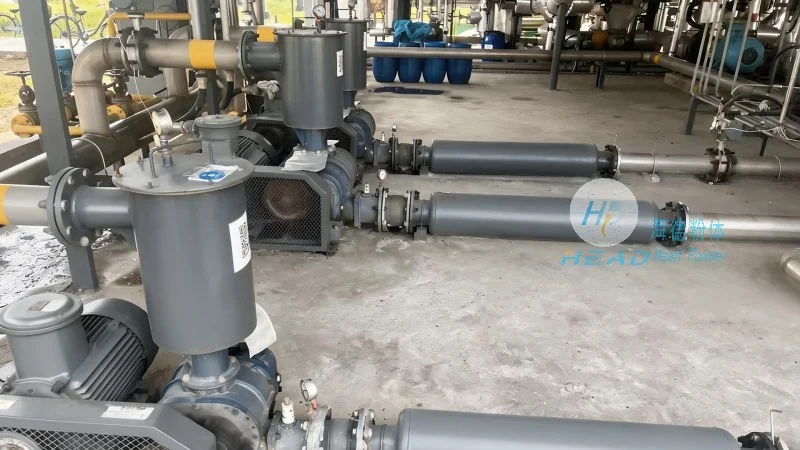
The discharge point is where the cotton seed powder is released from the system, typically into a processing unit or a storage container. It is designed to prevent material buildup and ensure a smooth transition to the next stage of the process. The system may also include a dust collection system connected to the discharge point to capture any airborne particles and prevent contamination of the environment.
Applications and Benefits
Cotton seed powder conveying systems are widely used in various industrial applications, particularly in the agricultural and food processing sectors. In cotton seed oil extraction plants, these systems are used to transport the ground cotton seed powder from the grinding stage to the solvent extraction or pressing units. This ensures that the material is delivered efficiently to the next processing step, reducing the risk of material loss and improving overall yield.
In feed production, the conveying system is used to move cotton seed powder to feed mills, where it is mixed with other ingredients to create animal feed. The efficiency of the conveying system directly impacts the quality and consistency of the final feed product, as any variation in the flow rate or material quality can affect the nutritional content of the feed.
The benefits of using a well-designed cotton seed powder conveying system are numerous. First, it improves operational efficiency by reducing downtime and maintenance costs. The system's robust construction and reliable components minimize the need for frequent repairs, leading to lower overall operational expenses. Second, it enhances safety by controlling dust and preventing material spills, which can be hazardous to workers and the environment. Third, it ensures consistent material flow, which is critical for maintaining the quality of the final product. Finally, the system's ability to handle bulk quantities of cotton seed powder makes it an essential component in large-scale industrial operations.
Conclusion
In conclusion, the cotton seed powder conveying system is a vital piece of equipment in industries that process cotton seeds. Its design is based on principles that prioritize efficiency, safety, and reliability, ensuring that cotton seed powder is transported effectively from one stage of the process to another. By understanding the components and design principles of such a system, industries can optimize their operations and improve overall productivity. The system's ability to handle the unique characteristics of cotton seed powder makes it an indispensable tool in modern industrial processing.