

What is a PTFE Powder Handling System? And What Are Its Design Principles?
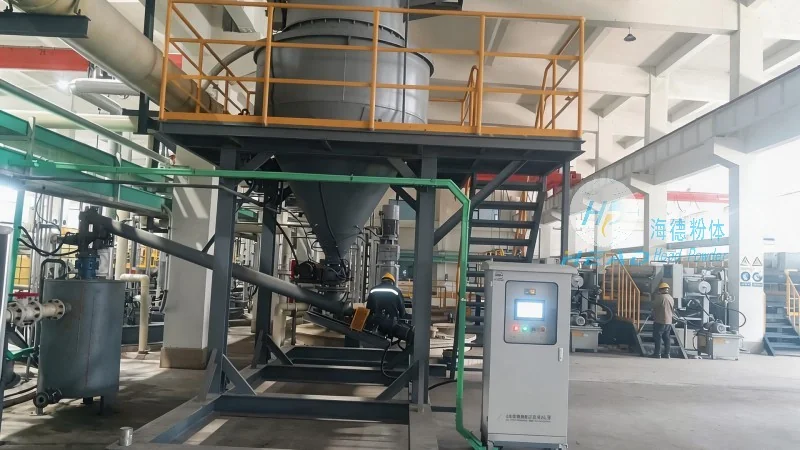
PTFE (Polytetrafluoroethylene) powder handling systems are specialized equipment designed to manage the transportation, storage, and processing of PTFE powders. These systems are crucial in industries where PTFE's unique properties, such as chemical resistance, non-stick surfaces, and high temperature stability, are essential. The design of these systems must address the challenges associated with handling fine powders, including dust control, material flow optimization, and equipment durability.
About HeadPowder
HeadPowder, or Shandong HeadPowder Engineering Co., Ltd., is a leading manufacturer specializing in PTFE powder handling solutions. With operations based in Shandong, China, the company focuses on providing high-quality equipment tailored to the specific needs of industries like chemical processing, aerospace, and manufacturing. Their expertise lies in developing systems that ensure efficient and safe handling of PTFE powders, minimizing material loss and operational risks.
Design Principles of PTFE Powder Handling Systems
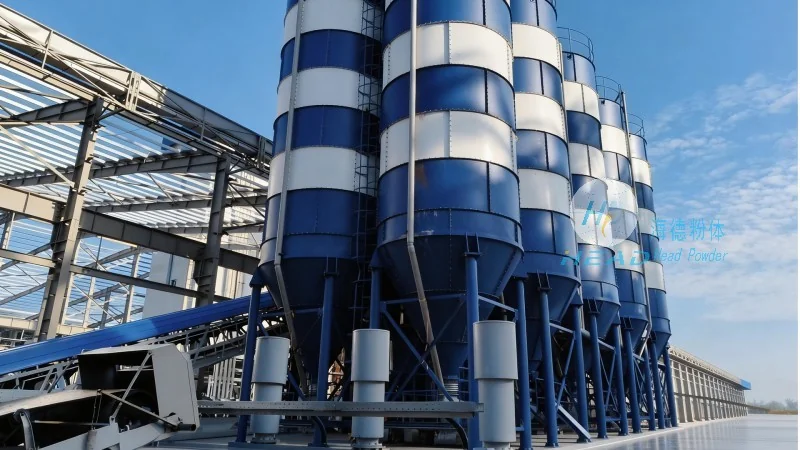
The design of a PTFE powder handling system involves several key principles to ensure optimal performance and reliability. First, material compatibility is critical, as PTFE is known for its non-adhesive properties, which can complicate powder flow. Engineers use materials like stainless steel, PTFE-coated components, and specialized seals to prevent sticking and ensure smooth material transfer. Second, dust control is a major consideration due to PTFE's fine particle size. Systems incorporate features such as enclosed hoppers, dust collection hoods, and air filtration to maintain a clean environment and comply with safety regulations. Third, the system's design must accommodate the varying flow characteristics of PTFE powders. This includes using appropriate conveying methods like pneumatic conveying, screw conveyors, or vacuum systems, depending on the application requirements. Additionally, the system is engineered for durability, as PTFE powders can be abrasive and may cause wear on equipment over time. Regular maintenance and robust construction are essential to extend the system's lifespan and maintain efficiency.
Key Components and Operational Features
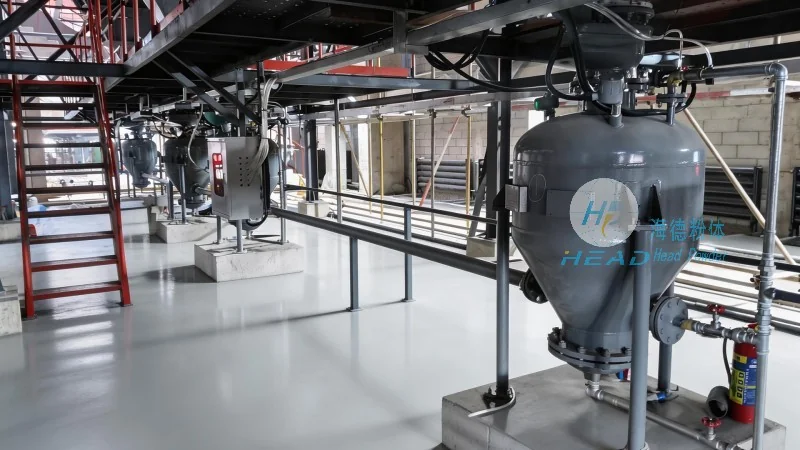
PTFE powder handling systems typically consist of several interconnected components that work together to achieve efficient material handling. The primary components include a hopper for material storage, a feeder to control the flow rate, a conveying system to transport the powder, and a discharge unit for delivering the material to the next stage of processing. The hopper is often designed with a conical or wedge-shaped bottom to facilitate smooth material discharge, preventing bridging or caking. The feeder, such as a rotary valve or a vibratory feeder, regulates the flow of powder from the hopper to the conveying system. The conveying system may use pneumatic methods, where air is used to move the powder through pipes, or mechanical methods like screw conveyors, which use rotating screws to push the powder forward. The discharge unit, such as a rotary valve or a bagging machine, ensures the powder is delivered to the desired location without spillage or contamination. Each component is carefully selected and integrated to ensure the system operates efficiently and safely, minimizing downtime and maximizing productivity.