For industries dealing with molybdenum trioxide (MoO₃) powder, efficient and reliable handling systems are crucial for maintaining product quality and operational safety. This article explores the concept of a molybdenum trioxide powder handling system, detailing its core components and the underlying design principles that ensure optimal performance in industrial applications.
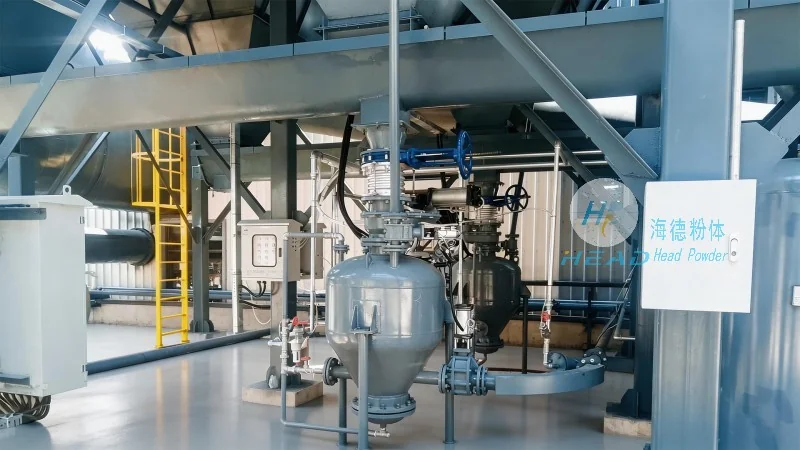
Understanding the Molybdenum Trioxide Powder Handling System
The molybdenum trioxide powder handling system is a specialized equipment setup designed to manage the storage, transfer, and processing of molybdenum trioxide powder. This system is essential in industries such as chemical manufacturing, where MoO₃ is used as a catalyst or precursor in various chemical reactions. The system must address challenges like dust generation, material flow control, and environmental compliance, making it a critical component of industrial operations.
Key Components of the Molybdenum Trioxide Powder Handling System
At the heart of any molybdenum trioxide powder handling system are several key components that work in tandem to ensure smooth operation. These include:
1. Storage Silos or Hoppers: These are large containers designed to hold the molybdenum trioxide powder in bulk. The design of these silos is crucial as they need to prevent material bridging and ensure consistent flow. The silos are typically made of corrosion-resistant materials like stainless steel to accommodate the chemical properties of MoO₃.
2. Pneumatic Conveying Systems: This component uses air pressure to transport the powder from the storage silos to processing units or packaging areas. Pneumatic conveyors are preferred for molybdenum trioxide due to their ability to handle fine powders without causing excessive wear or contamination.
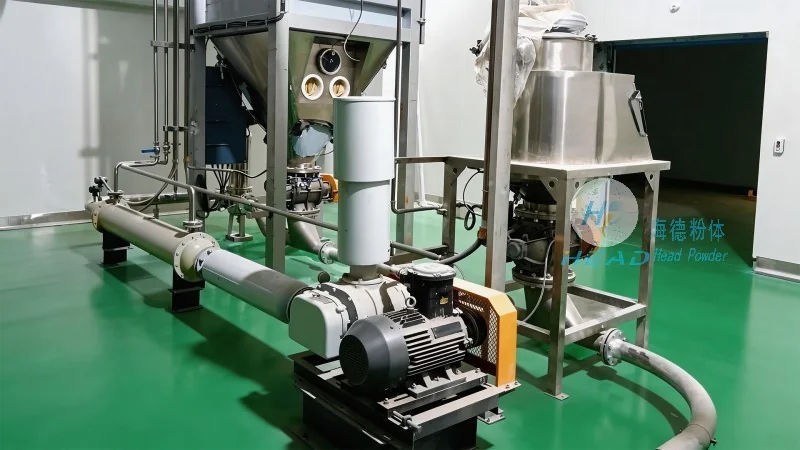
3. Vibrating Feeders and Conveyors: These devices regulate the flow of powder from the storage silos to the conveying system. Vibrating feeders ensure a controlled and steady feed rate, preventing overloading or underflow that could disrupt the entire system.
4. Dust Collection and Filtration Systems: Given that molybdenum trioxide is a fine powder, dust control is paramount. These systems capture and filter airborne particles, ensuring compliance with environmental regulations and protecting personnel from inhalation hazards.
5. Control and Monitoring Systems: Modern molybdenum trioxide powder handling systems are equipped with advanced control panels and sensors. These systems monitor parameters such as pressure, flow rate, and temperature, allowing for real-time adjustments and preventing system failures.
Design Principles for Optimal Performance
The design of a molybdenum trioxide powder handling system is guided by several key principles aimed at maximizing efficiency, safety, and longevity. These principles include:
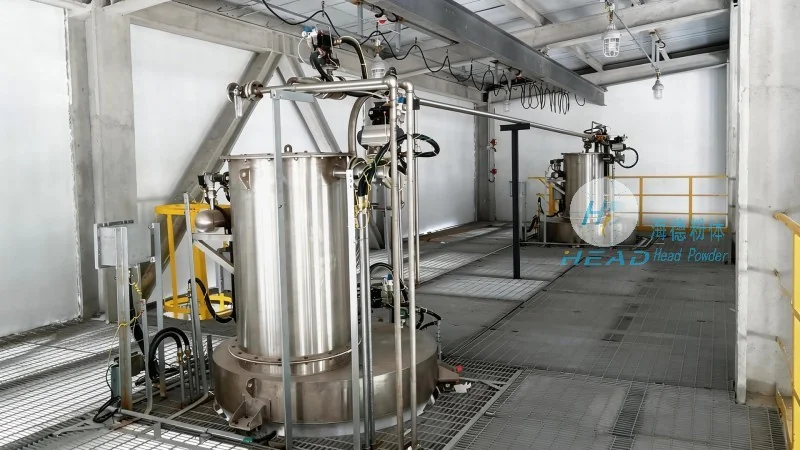
1. Material Compatibility: All components of the system must be compatible with molybdenum trioxide. This includes using materials that resist corrosion and chemical reactions, such as stainless steel or specialized plastics. The choice of materials directly impacts the system's durability and operational costs.
2. Airflow Management: Proper airflow is critical for effective pneumatic conveying. The system must be designed to maintain consistent air pressure and flow rates, preventing blockages and ensuring the powder moves smoothly through the system.
3. Dust Control and Safety: Safety is a top priority in handling molybdenum trioxide powder. The design incorporates robust dust collection and filtration systems to minimize exposure risks. Additionally, the system may include explosion-proof features to handle any potential dust explosions.
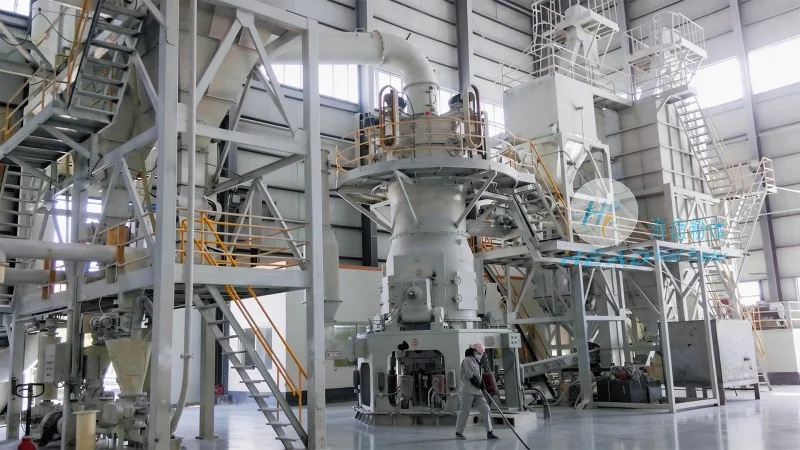
4. Modular and Scalable Design: To accommodate varying production needs, the system is often designed as a modular unit that can be expanded or reconfigured as required. This flexibility allows industries to adapt to changing production volumes without significant capital investment.
5. Energy Efficiency: Modern designs emphasize energy efficiency by optimizing air usage and reducing unnecessary power consumption. This not only lowers operational costs but also aligns with sustainability goals in industrial operations.
Applications and Benefits
The molybdenum trioxide powder handling system is widely used in various industrial applications, including the production of catalysts, pigments, and other chemical products. The benefits of implementing such a system include improved product quality through consistent handling, reduced downtime due to efficient material flow, and enhanced safety through comprehensive dust control measures.
Companies like Shandong HeadPowder Engineering Co., Ltd., based in China, specialize in designing and manufacturing these systems tailored to the specific needs of their clients. With a focus on durability, safety, and efficiency, their solutions help industries achieve optimal performance in handling molybdenum trioxide powder.




