A glass particle material conveying line is a specialized system engineered to transport and handle glass particles efficiently. These systems are crucial in various industrial applications, including glass manufacturing, recycling, and material processing, where the precise movement of glass particles is essential for production efficiency and safety. The design of such conveying lines is tailored to address the unique properties of glass particles, such as their fragility, irregular shapes, and varying sizes, ensuring minimal damage and optimal performance.
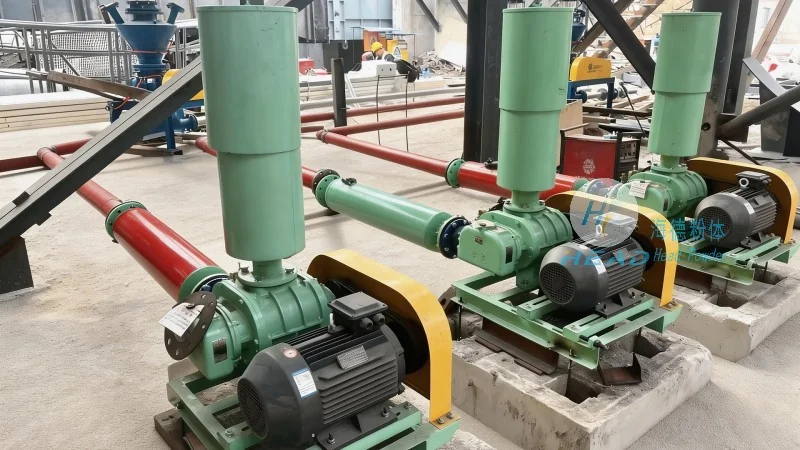
Key Components and Design Principles of Glass Particle Conveying Systems
The design of a glass particle material conveying line involves several critical components and principles that work in harmony to achieve reliable operation. The primary components typically include feed hoppers, conveyor belts or chains, idlers, drive mechanisms, and control systems. Each component is selected and configured based on the specific characteristics of the glass particles being handled, such as particle size distribution, density, and moisture content. For instance, the feed hopper is designed to minimize material buildup and ensure a consistent flow of glass particles into the conveyor system. The conveyor belt or chain is often made of materials that are resistant to abrasion and chemical corrosion, such as rubber or specialized plastics, to withstand the abrasive nature of glass particles and prevent wear and tear.
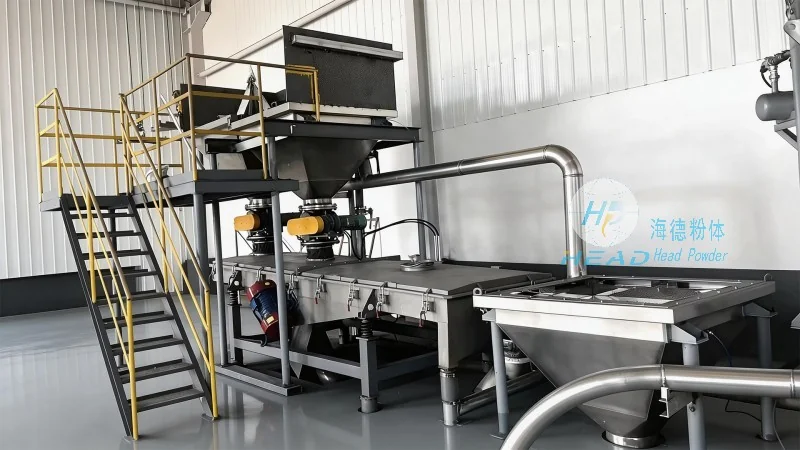
Drive Mechanisms and Control Systems in Glass Particle Conveying Lines
The drive mechanism is a vital part of the conveying line, responsible for providing the necessary power to move the glass particles along the system. Common drive options include electric motors, gearboxes, and variable frequency drives (VFDs), which allow for adjustable speed control. This adjustability is crucial as it enables operators to match the conveyor speed to the processing requirements, ensuring that the glass particles are transported at an optimal rate without causing excessive stress or damage. The control system, often integrated with sensors and monitoring devices, plays a key role in maintaining the efficiency and safety of the conveying line. Sensors can detect blockages, overloads, or variations in particle flow, triggering alarms or automatic shutdowns to prevent accidents and equipment damage. This level of automation enhances operational reliability and reduces downtime in industrial settings.
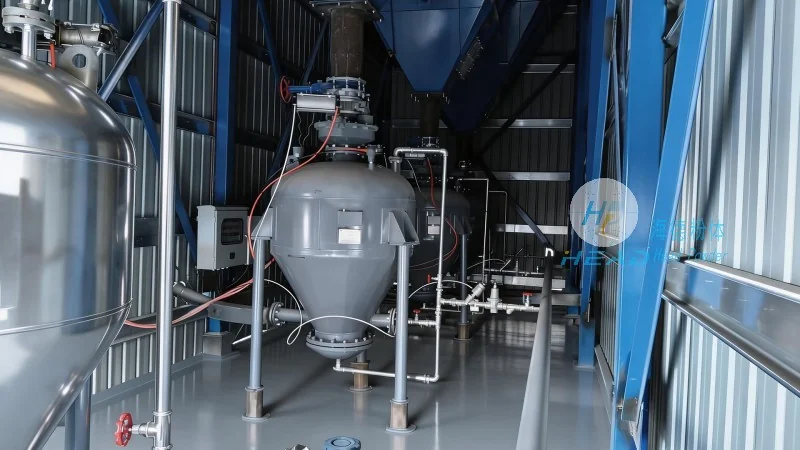
Material Handling and Particle Protection in Glass Conveying Systems
One of the most significant challenges in handling glass particles is preventing breakage and damage during transport. The design of the conveying line addresses this by incorporating features that minimize impact and abrasion. For example, the use of smooth, rounded idlers and gentle curve designs in the conveyor path reduces the risk of particle fracture. Additionally, the spacing between idlers is carefully adjusted to avoid excessive pressure on the glass particles, which could lead to crushing or chipping. Some systems may also incorporate buffer zones or impact plates to absorb shocks and protect the particles from sudden impacts. These design considerations are essential for maintaining the quality of the glass particles, which is critical for downstream processes such as molding, grinding, or recycling.
Application Examples and Industry Impact of Glass Particle Conveying Lines
Glass particle material conveying lines are widely used in various industries, with applications ranging from glass manufacturing plants to recycling facilities. In glass manufacturing, these systems are used to transport raw glass particles from storage to the melting furnaces, ensuring a steady supply of material for production. In recycling operations, they help move crushed glass from sorting lines to processing equipment, facilitating the reclamation of glass materials. The efficiency of these conveying lines directly impacts production throughput and cost-effectiveness, as they reduce the time and labor required for manual handling of glass particles. By automating the material transport process, these systems enhance overall operational efficiency and contribute to the sustainability of glass-related industries.
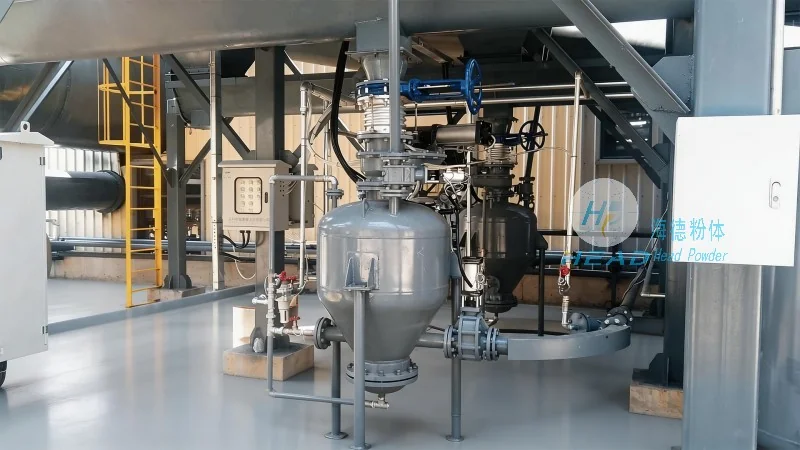
About Shandong HeadPowder Engineering Co., Ltd.
Shandong HeadPowder Engineering Co., Ltd., commonly known as HeadPowder, is a leading manufacturer of specialized material handling equipment, including glass particle conveying lines. With headquarters in Shandong, China, the company has established itself as a trusted provider of high-quality conveying solutions tailored to the unique needs of the glass and related industries. HeadPowder's expertise lies in designing and manufacturing systems that combine durability, efficiency, and safety, ensuring that clients receive equipment that meets their specific operational requirements. The company's commitment to innovation and customer satisfaction has made it a preferred choice for businesses seeking reliable and effective glass particle handling solutions.




