

[Rice Starch Pneumatic Conveying Technology: Principles, Applications, and Development Trends]
HeadPowder, a leading provider in the field of material handling solutions, specializes in advanced pneumatic conveying systems tailored for rice starch processing. This article delves into the core principles, practical applications, and emerging trends of rice starch pneumatic conveying technology, offering a comprehensive overview for industry professionals seeking efficient and reliable material transport solutions.
Company Profile and Expertise
Shandong HeadPowder Engineering Co., Ltd., commonly known as HeadPowder, is headquartered in Shandong, China. With a strong commitment to innovation and quality, the company has established itself as a trusted partner in the material handling industry, particularly in the design and implementation of pneumatic conveying systems for various bulk materials, including rice starch. HeadPowder leverages decades of experience and cutting-edge technology to deliver customized solutions that meet the unique demands of clients in the food processing and related sectors.
Principles of Pneumatic Conveying for Rice Starch
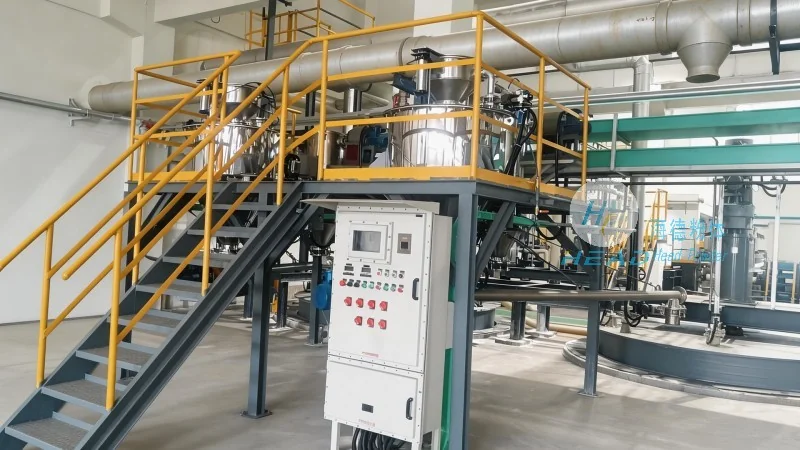
Rice starch pneumatic conveying technology operates on the fundamental principle of transporting dry bulk materials like rice starch through a pipeline using a combination of air and pressure. The system typically consists of a material feed hopper, a conveyor line, and a discharge unit, all integrated to ensure efficient and dust-free movement of the product. The core mechanism involves creating a pressure differential within the pipeline, where air is introduced to carry the rice starch particles through the system. This method eliminates the need for mechanical components such as belts or buckets, reducing maintenance requirements and enhancing operational safety. The technology is particularly advantageous for handling fine, powdery materials like rice starch, which are prone to caking or segregation in traditional conveyor systems.
Key Components and Operational Mechanics
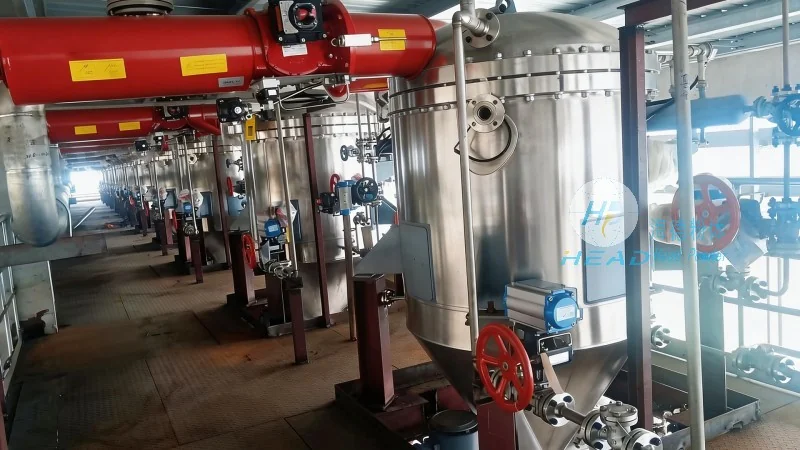
The rice starch pneumatic conveying system comprises several critical components that work in tandem to ensure smooth operation. The material feed hopper is designed to store and meter the rice starch, ensuring a consistent flow into the conveyor line. The conveyor line itself is typically made of stainless steel or other corrosion-resistant materials to withstand the acidic or alkaline properties of rice starch and prevent contamination. The air supply system, often equipped with a blower or compressor, generates the necessary pressure to move the material. The system may also include a filter and cyclone separator to capture any fine particles and return them to the hopper, maintaining product purity. The discharge unit, such as a rotary valve or a pressure vessel, controls the release of the rice starch at the destination point. Each component is engineered to handle the specific characteristics of rice starch, including its fine particle size and potential for static electricity, ensuring optimal performance and minimal product loss.
Applications in the Food Processing Industry
Rice starch pneumatic conveying technology finds extensive applications in the food processing industry, particularly in the production of starch-based products and food additives. In starch processing plants, the technology is used to transport raw rice starch from storage silos to processing equipment, such as mills and classifiers. This ensures a continuous and hygienic supply of material, reducing downtime and improving overall production efficiency. The system is also employed in the packaging and distribution stages, where rice starch is conveyed from processing lines to packaging machines or storage tanks. The dust-free nature of pneumatic conveying is especially beneficial in food processing environments, as it minimizes the risk of contamination and maintains compliance with food safety regulations. Additionally, the technology is suitable for handling other fine powders used in food production, such as flour or sugar, making it a versatile solution for the industry.
Advantages of Rice Starch Pneumatic Conveying
Compared to traditional mechanical conveyor systems, rice starch pneumatic conveying offers several key advantages that make it the preferred choice for many applications. One of the most significant benefits is the elimination of mechanical parts, which reduces maintenance costs and extends the lifespan of the system. The absence of moving parts also minimizes the risk of product contamination, as there are no surfaces that can come into direct contact with the rice starch. Additionally, pneumatic conveying systems are highly flexible, allowing for easy reconfiguration or expansion as production needs change. The technology is also energy-efficient, as it uses less power to transport materials compared to mechanical systems, resulting in lower operational costs. Furthermore, the dust-free operation of pneumatic conveying improves workplace safety by reducing the risk of respiratory issues and fire hazards associated with fine powders. These advantages collectively contribute to improved productivity, cost savings, and enhanced safety in rice starch processing operations.
Challenges and Mitigation Strategies
While rice starch pneumatic conveying technology offers numerous benefits, it also presents certain challenges that must be addressed to ensure optimal performance. One of the primary challenges is the potential for product segregation or agglomeration, especially when handling fine, cohesive materials like rice starch. To mitigate this, the system may incorporate features such as vibration or agitation in the hopper to break up clumps and ensure uniform flow. Another challenge is the risk of clogging in the pipeline, which can occur due to the fine particle size of rice starch. Regular maintenance, including cleaning and inspection of the pipeline, is essential to prevent clogs and maintain system efficiency. Additionally, the system must be designed to handle the static electricity generated by rice starch particles, as this can lead to material buildup and discharge issues. Anti-static measures, such as grounding or using conductive materials, are implemented to address this challenge. By addressing these challenges through proper system design and maintenance, rice starch pneumatic conveying can achieve reliable and consistent performance.
Emerging Trends and Future Developments
The field of rice starch pneumatic conveying technology is continuously evolving, with several emerging trends and developments shaping its future. One significant trend is the integration of automation and control systems, which allows for real-time monitoring and adjustment of the conveying process. Advanced sensors and control panels enable operators to optimize parameters such as air pressure, flow rate, and material feed, leading to improved efficiency and reduced waste. Another trend is the adoption of more sustainable and energy-efficient technologies, such as variable frequency drives (VFDs) and energy recovery systems. These technologies help reduce the overall energy consumption of the system, making it more environmentally friendly. Additionally, the use of smart materials and sensors is becoming more prevalent, allowing for predictive maintenance and early detection of potential issues. This proactive approach minimizes downtime and extends the lifespan of the equipment. Furthermore, the development of modular and scalable systems is gaining traction, enabling companies to start with a basic system and expand it as their production needs grow. These trends indicate a future where rice starch pneumatic conveying systems are more intelligent, efficient, and adaptable to the evolving demands of the industry.
Conclusion
In conclusion, rice starch pneumatic conveying technology represents a sophisticated and efficient solution for the transport of fine bulk materials like rice starch. With its ability to deliver dust-free, hygienic, and cost-effective material handling, the technology has become an indispensable part of modern food processing operations. HeadPowder, with its expertise and commitment to innovation, continues to lead the way in providing advanced pneumatic conveying systems tailored to the specific needs of rice starch processing. By understanding the principles, applications, and emerging trends of this technology, industry professionals can make informed decisions to enhance their production processes and achieve greater efficiency and profitability.