Caustic soda, also known as sodium hydroxide, is a widely used chemical in various industrial processes. The efficient and safe handling of caustic soda is crucial for industries such as chemical manufacturing, paper production, and water treatment. Pneumatic conveying technology has emerged as a key solution for transporting caustic soda, offering advantages over traditional methods like belt conveyors or bucket elevators. This article explores the principles, applications, and future trends of caustic soda pneumatic conveying technology, with a focus on the expertise of Shandong HeadPowder Engineering Co., Ltd., a leading provider in the field.
Principles of Pneumatic Conveying for Caustic Soda
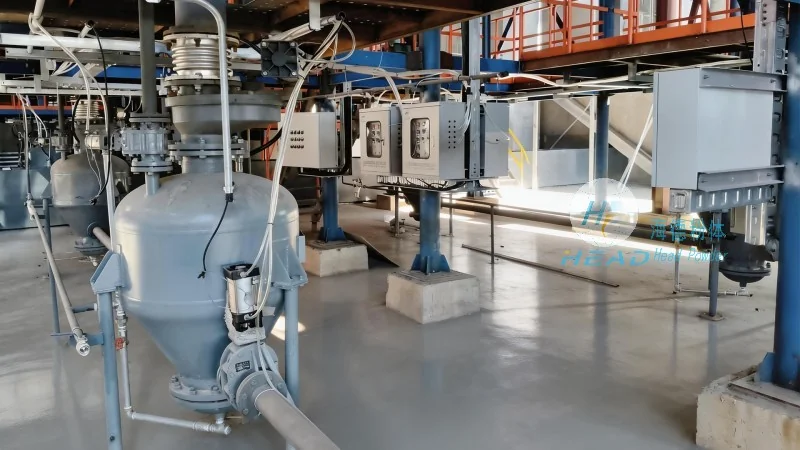
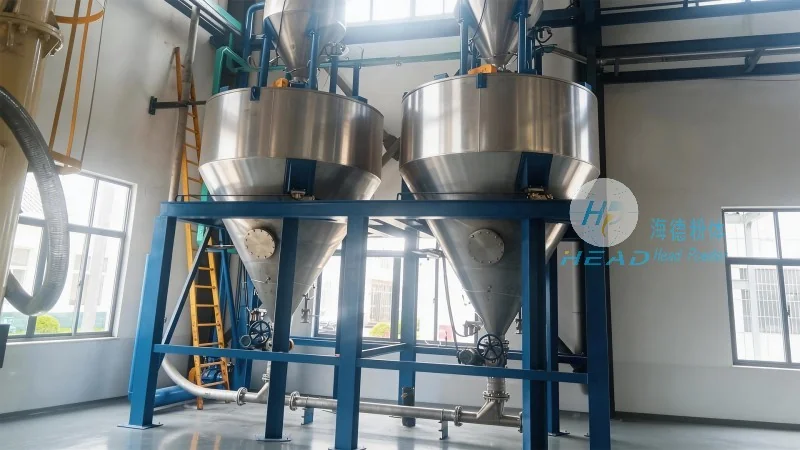
Pneumatic conveying systems operate by using air or other gases to transport bulk materials through a pipeline. In the case of caustic soda, which is often in solid form (such as flakes or pellets), the system typically employs a positive displacement or pressure-assisted design. The core principle involves creating a pressure differential to move the material along the pipeline. Key components of a pneumatic conveying system for caustic soda include a hopper for material storage, a feeder to control the flow rate, a conveyor line (usually made of corrosion-resistant materials like stainless steel), and a receiver to collect the material at the destination. The system may also incorporate features like air filtration and dust collection to ensure environmental compliance and operational safety.
Applications in Industrial Settings
Caustic soda pneumatic conveying technology is applied across multiple industrial sectors. In chemical plants, it facilitates the transfer of caustic soda from storage silos to reactors or processing units, ensuring a continuous and controlled supply. The paper industry utilizes this technology to transport caustic soda for pulp processing and bleaching operations, where precise dosing is critical for quality control. Water treatment facilities also benefit from pneumatic conveying systems to handle caustic soda used in pH adjustment and water purification processes. Additionally, the food and pharmaceutical industries may employ such systems for handling caustic soda in cleaning and sanitization applications, where hygiene and safety are paramount.
Advantages Over Traditional Conveying Methods
Compared to traditional mechanical conveyors, pneumatic conveying offers several advantages for caustic soda handling. One significant benefit is the reduction of material degradation and contamination, as the material remains enclosed within the pipeline, minimizing exposure to the environment. This is particularly important for caustic soda, which can be hygroscopic and reactive. Pneumatic systems also provide better dust control, enhancing workplace safety and compliance with environmental regulations. Furthermore, these systems are more flexible in terms of layout, allowing for vertical and horizontal transport in a single line, which can optimize plant space and reduce installation costs. The ability to handle varying flow rates and material characteristics also makes pneumatic conveying more adaptable to changing production demands.
Technological Developments and Future Trends
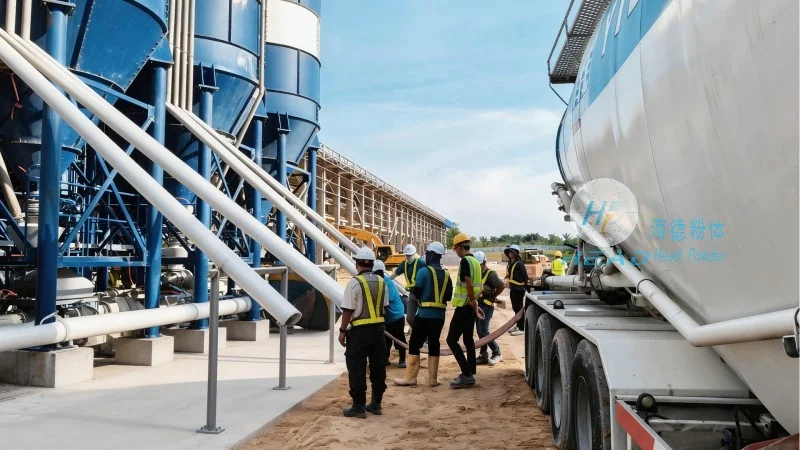
The field of caustic soda pneumatic conveying is continuously evolving, driven by advancements in materials science and automation. Modern systems now incorporate intelligent control systems that monitor pressure, flow, and temperature in real-time, ensuring optimal performance and preventing system failures. Corrosion-resistant materials, such as high-grade stainless steel and specialized alloys, are being used more extensively to withstand the harsh chemical environment of caustic soda. Additionally, the integration of sensors and IoT technologies allows for predictive maintenance, reducing downtime and maintenance costs. Future trends may include the development of more energy-efficient systems, possibly through the use of vacuum-assisted conveying or optimized air flow management. The adoption of sustainable practices, such as energy recovery from exhaust gases, is also becoming a focus for reducing the environmental impact of pneumatic conveying operations.
Conclusion
Caustic soda pneumatic conveying technology represents a sophisticated and efficient solution for the transportation of this critical chemical. By leveraging the principles of pneumatic transport and advanced engineering, industries can enhance safety, improve operational efficiency, and reduce costs. Shandong HeadPowder Engineering Co., Ltd. plays a pivotal role in advancing this technology, providing tailored solutions that meet the specific needs of various industrial applications. As the technology continues to evolve, it is expected to play an increasingly important role in the safe and effective handling of caustic soda, supporting the growth and sustainability of industries that rely on this essential chemical.




