

Enhancing Polyolefin Handling Efficiency: A Clean Solution with Pneumatic Conveying Technology Expla
Polyolefins, including materials like polyethylene and polypropylene, are fundamental components in modern manufacturing and industrial applications. Efficient and reliable handling of these materials is crucial for maintaining production line performance and ensuring product quality. Traditional methods such as belt conveyors or bucket elevators often face challenges with material degradation, contamination, and operational inefficiencies, especially when dealing with fine powders or granules. This is where pneumatic conveying technology emerges as a superior alternative, offering a clean, efficient, and versatile solution for polyolefin transport.
Pneumatic Conveying Technology: How It Works
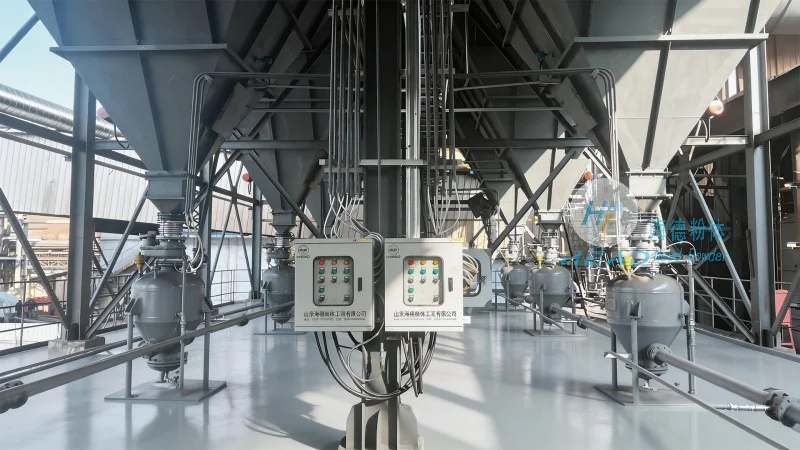
Pneumatic conveying systems utilize air or other gases to transport bulk materials through a pipeline network. The process typically involves a combination of positive and negative pressure systems, depending on the application requirements. In positive pressure systems, air is blown into the pipeline, pushing the material forward. Negative pressure systems, on the other hand, create a vacuum that draws the material into the line. For polyolefin handling, positive pressure systems are commonly preferred due to their ability to handle fine powders and prevent material degradation. The system consists of several key components, including a hopper for material storage, a conveyor line, a control valve, and a dust collector. The hopper feeds the polyolefin material into the conveyor line, where it is propelled by the pressurized air. The control valve regulates the flow rate, ensuring consistent and controlled transport. The dust collector then captures any fine particles, maintaining a clean and safe working environment.
Advantages of Pneumatic Conveying for Polyolefin Transport
When compared to traditional mechanical conveyors, pneumatic conveying offers several distinct advantages for polyolefin handling. First, it provides a clean and hygienic transport method, which is critical for industries where material purity is paramount, such as food and pharmaceuticals. The enclosed pipeline system prevents contamination from external sources, ensuring that the polyolefin material remains free from dust, moisture, or other impurities. Second, pneumatic conveying is highly efficient in terms of energy consumption. By using air pressure to move the material, the system reduces the need for mechanical components like belts or buckets, which can be prone to wear and tear. This leads to lower maintenance costs and longer operational lifespans. Third, the technology offers flexibility in terms of layout and integration. Pneumatic conveyors can be easily installed in existing production facilities, adapting to various spatial constraints and production line configurations. This adaptability makes it an ideal solution for both new and retrofit applications. Additionally, the system allows for precise control over material flow rates, enabling manufacturers to optimize production processes and minimize waste.
Applications in Polyolefin Manufacturing
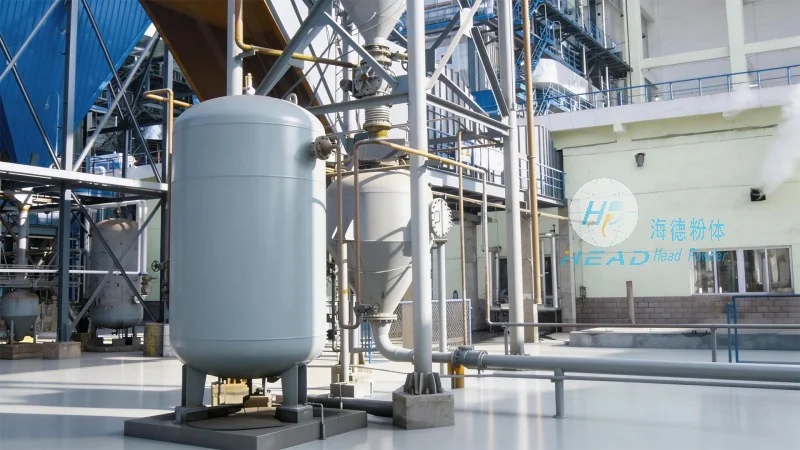
Pneumatic conveying technology is widely applied in various stages of polyolefin manufacturing, from raw material handling to finished product transport. In the raw material stage, the system efficiently transports polyolefin powders or granules from storage silos to processing units, ensuring a continuous and uninterrupted supply. During the processing stage, pneumatic conveyors are used to move the material between different processing equipment, such as extruders and reactors, maintaining a steady flow and preventing bottlenecks. In the finishing stage, the technology transports finished polyolefin products, such as pellets or sheets, to packaging or storage areas. The versatility of pneumatic conveying makes it suitable for both small-scale and large-scale production operations, catering to the diverse needs of the polyolefin industry.
Case Study: Implementation by Shandong HeadPowder Engineering Co., Ltd.
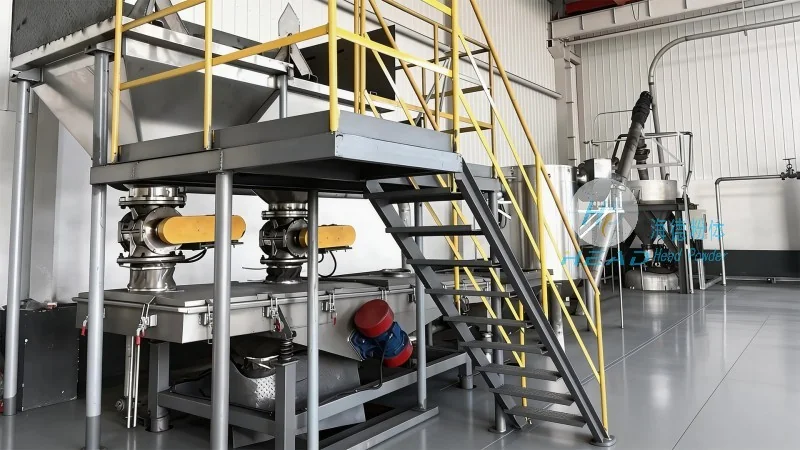
Shandong HeadPowder Engineering Co., Ltd., a leading provider of industrial conveying solutions, has successfully implemented pneumatic conveying systems for polyolefin handling in numerous industrial applications. Based in Shandong, China, the company specializes in designing and manufacturing customized conveying systems tailored to the specific requirements of each client. One notable project involved a major polyolefin manufacturer that was experiencing challenges with material contamination and inefficient transport between processing units. HeadPowder Engineering designed a positive pressure pneumatic conveying system that integrated seamlessly with the existing production line. The system utilized high-quality materials and advanced control technology to ensure reliable and clean transport of polyolefin powders. The implementation resulted in a significant reduction in material loss, improved product quality, and enhanced operational efficiency. The client reported a 20% increase in production throughput and a 15% reduction in maintenance costs, demonstrating the effectiveness of the pneumatic conveying solution.
Conclusion: The Future of Polyolefin Handling with Pneumatic Conveying
As the polyolefin industry continues to evolve, the demand for efficient and clean material handling solutions remains high. Pneumatic conveying technology, with its inherent advantages in cleanliness, efficiency, and flexibility, is well-positioned to meet these evolving needs. By leveraging the expertise of companies like Shandong HeadPowder Engineering Co., Ltd., manufacturers can implement advanced pneumatic conveying systems that enhance their production processes and maintain competitive advantages. The future of polyolefin handling lies in adopting innovative technologies that prioritize both operational efficiency and product quality, and pneumatic conveying is a key component in achieving these goals.