

[Ehancing Vanadium Oxide Transport Efficiency: A Clean Solution with Pneumatic Conveying Technology
Vanadium oxide is a critical material in various industrial applications, including battery production, catalysts, and specialty chemicals. Efficient and reliable transport of this material is essential for maintaining production throughput and ensuring product quality. Traditional methods like belt conveyors or bucket elevators may pose challenges such as dust generation, material degradation, and operational inefficiencies. This article explores how pneumatic conveying technology offers a superior, clean, and efficient solution for transporting vanadium oxide, presented by Shandong HeadPowder Engineering Co., Ltd., a leading provider in the field.
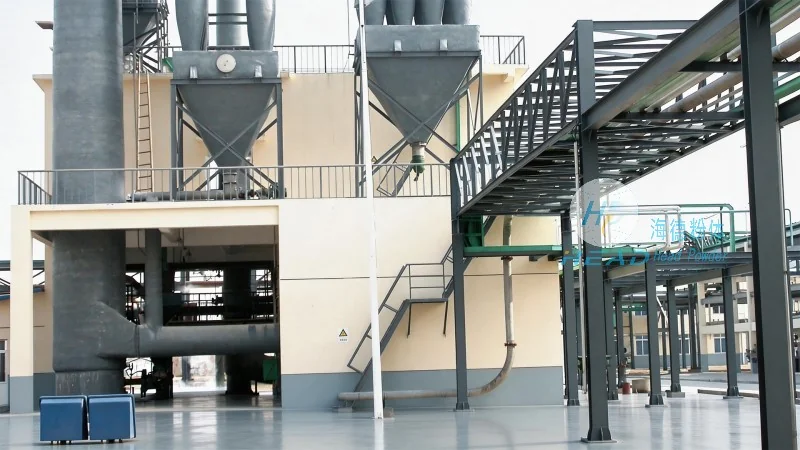
Pneumatic Conveying: The Superior Choice for Vanadium Oxide Transport
Pneumatic conveying systems utilize air or gas to transport bulk materials like vanadium oxide through a pipeline network. Unlike mechanical systems, these systems eliminate the need for moving parts in direct contact with the material, reducing wear and tear and minimizing the risk of contamination. The clean and enclosed nature of pneumatic conveying makes it an ideal choice for handling sensitive materials like vanadium oxide, which can be prone to oxidation or degradation if exposed to air or moisture.
Key Advantages of Pneumatic Conveying for Vanadium Oxide
Shandong HeadPowder Engineering Co., Ltd. specializes in designing and implementing pneumatic conveying solutions tailored to the unique requirements of vanadium oxide transport. The primary advantages of this technology include:
1. Enhanced Efficiency and Throughput: Pneumatic systems can achieve high material flow rates, significantly improving production line efficiency compared to traditional methods. This is particularly beneficial for high-volume vanadium oxide processing facilities.
2. Reduced Downtime and Maintenance: With fewer mechanical components, pneumatic conveying systems experience lower maintenance requirements and less downtime. This translates to cost savings and increased operational reliability.
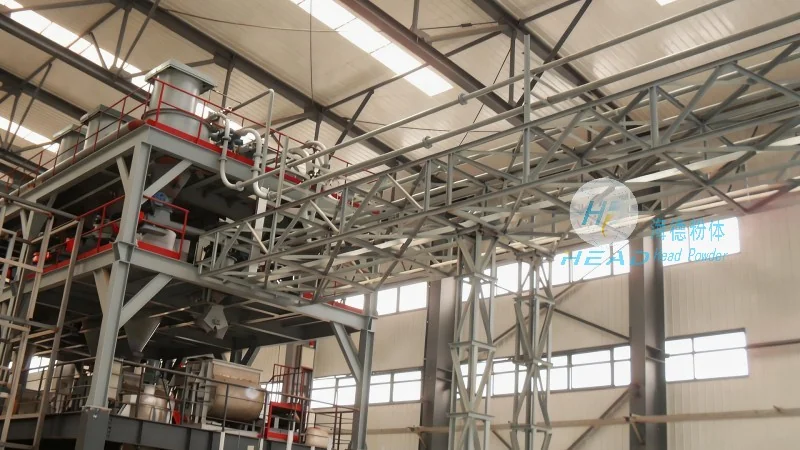
3. Improved Material Handling and Quality: The enclosed and controlled environment of pneumatic conveying minimizes material degradation, dust emissions, and contamination. This ensures that vanadium oxide reaches the processing stage in optimal condition, preserving its quality and performance.
4. Flexibility and Scalability: Pneumatic conveying systems can be easily integrated into existing production lines or expanded to accommodate growing material handling needs. This flexibility makes them suitable for both new installations and retrofits.
How Pneumatic Conveying Works for Vanadium Oxide
The process of pneumatic conveying for vanadium oxide typically involves several key components and steps. First, the vanadium oxide is loaded into a hopper or feeder, where it is then fed into a pipeline. Compressed air or gas is introduced into the pipeline, creating a flow that carries the material through the system. The system may include various components such as cyclones, filters, and silos to separate the material from the air and direct it to its destination.
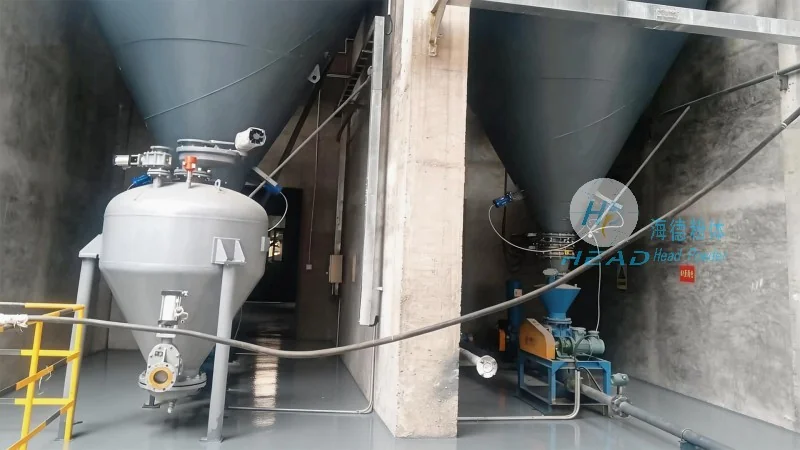
Shandong HeadPowder Engineering Co., Ltd. employs advanced engineering principles to design pneumatic conveying systems that optimize the transport of vanadium oxide. This includes selecting the appropriate air velocity, pipeline diameter, and system configuration to ensure efficient and reliable material movement. The company's expertise in material handling and process engineering ensures that each system is tailored to the specific characteristics of vanadium oxide, such as its particle size, density, and flow properties.
Applications of Pneumatic Conveying in Vanadium Oxide Processing
Pneumatic conveying technology is widely used in various stages of vanadium oxide processing. For example, in battery manufacturing, vanadium oxide is often transported from storage silos to mixing and processing equipment. In chemical production, it may be conveyed from reactors to downstream processing units. The versatility of pneumatic conveying makes it suitable for a range of applications, from bulk material transport to precise dosing and feeding.
Shandong HeadPowder Engineering Co., Ltd. has successfully implemented pneumatic conveying solutions for numerous vanadium oxide processing facilities, demonstrating the technology's effectiveness in improving operational efficiency and product quality. The company's commitment to innovation and customer satisfaction ensures that clients receive customized solutions that meet their specific needs and operational goals.
Conclusion: The Future of Vanadium Oxide Transport
As the demand for vanadium oxide continues to grow in industries such as energy storage and specialty chemicals, the need for efficient and reliable transport solutions becomes increasingly critical. Pneumatic conveying technology, as offered by Shandong HeadPowder Engineering Co., Ltd., provides a clean, efficient, and cost-effective solution that addresses the unique challenges of vanadium oxide handling. By leveraging advanced engineering and tailored system designs, this technology ensures that vanadium oxide is transported safely and effectively, supporting the success of modern industrial operations.