

Choosing Between Positive Pressure and Negative Pressure Pneumatic Conveying for Synthetic Fibers: H
When it comes to transporting synthetic fibers, selecting the right pneumatic conveying system is crucial for efficiency, cost-effectiveness, and operational safety. Two primary methods dominate the industry: positive pressure and negative pressure systems. Understanding the differences between these approaches is essential for making an informed decision that aligns with your specific production needs. This article explores the key characteristics, applications, and factors to consider when choosing between positive pressure and negative pressure pneumatic conveying for synthetic fibers.
Understanding Pneumatic Conveying Basics
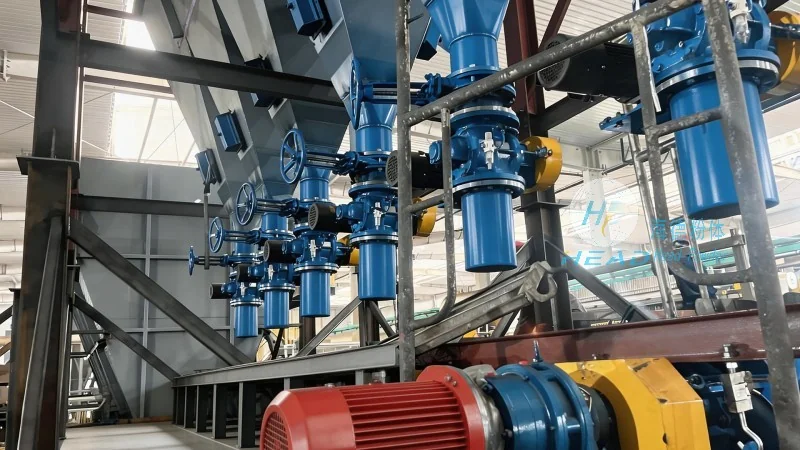
Pneumatic conveying systems use air or gas to transport bulk materials, including synthetic fibers, through a pipeline. The fundamental difference between positive and negative pressure systems lies in how the air is pressurized and directed. Positive pressure systems force air and material through the pipeline, while negative pressure systems draw material into the system using a vacuum.
Positive Pressure Pneumatic Conveying Systems
Positive pressure systems operate by compressing air and pushing it through the conveying line, carrying the synthetic fibers along with it. This method is often preferred for applications requiring high material flow rates and long-distance transport. The primary advantage of positive pressure is its ability to handle abrasive or high-density materials without causing excessive wear on the system components. Additionally, positive pressure systems are generally more suitable for conveying materials that are sensitive to moisture or contamination, as the sealed pipeline prevents external air from entering and affecting the material quality.
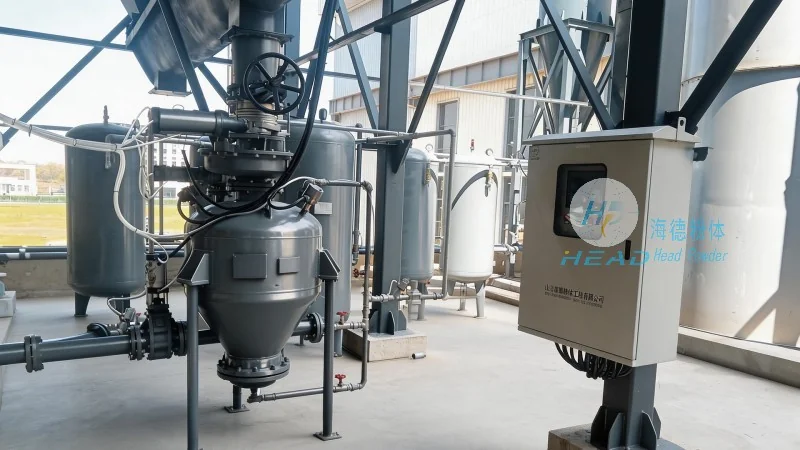
For synthetic fibers, positive pressure systems are commonly used in scenarios where the material needs to be transported from a central processing unit to multiple destinations or over considerable distances. The consistent pressure ensures reliable material flow, reducing the risk of clogging or material degradation. Companies like Shandong HeadPowder Engineering Co., Ltd., a leading provider of pneumatic conveying solutions, often recommend positive pressure systems for high-volume synthetic fiber production lines due to their robust performance and durability.
Negative Pressure Pneumatic Conveying Systems
Negative pressure systems, also known as vacuum or suction systems, create a vacuum at the receiving end of the pipeline, drawing synthetic fibers into the system. This approach is typically used for shorter conveying distances and when the material is light and less abrasive. The main benefit of negative pressure is its lower energy consumption compared to positive pressure systems, as it relies on the vacuum created by a fan or blower to pull material rather than pushing it.
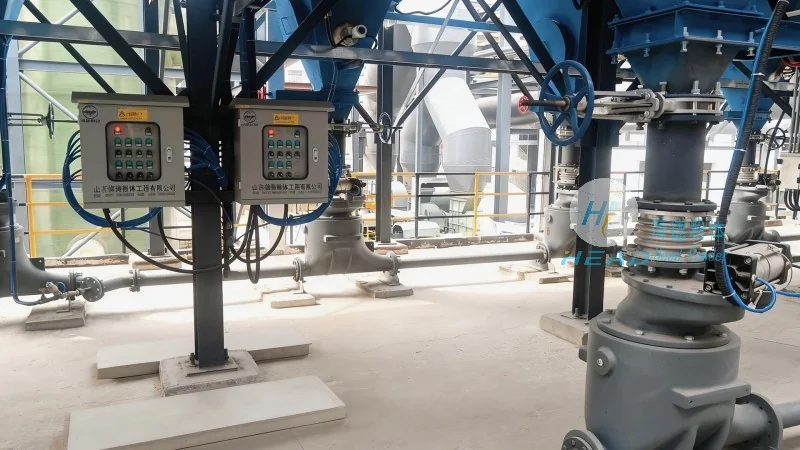
However, negative pressure systems are more susceptible to material degradation and contamination, as the open system allows external air to mix with the fibers. This can be problematic for synthetic fibers that are sensitive to moisture or dust, as the vacuum may draw in unwanted particles or moisture from the environment. Negative pressure systems are often used in applications where the material is being collected from a hopper or storage bin and needs to be transported to a processing unit over short distances, such as in textile manufacturing or fiber processing plants.
Key Factors to Consider When Choosing
When deciding between positive and negative pressure pneumatic conveying for synthetic fibers, several factors must be evaluated. The first consideration is the distance and layout of the conveying system. Positive pressure systems are ideal for long-distance transport, while negative pressure is better suited for short distances. The material properties of the synthetic fibers also play a critical role. For example, if the fibers are abrasive or have high moisture content, a positive pressure system with robust components may be necessary to prevent wear and maintain material quality. Conversely, if the fibers are light and non-abrasive, a negative pressure system could be more cost-effective.
Another important factor is the required material flow rate. Positive pressure systems can handle higher flow rates, making them suitable for high-volume production environments. Negative pressure systems, while less energy-intensive, have limitations on the maximum flow rate they can maintain without causing excessive pressure drops or material clogging. The system's cost and maintenance requirements should also be considered. Positive pressure systems generally require more powerful compressors and higher initial investment, but they offer longer service life and lower maintenance costs over time. Negative pressure systems, on the other hand, have lower upfront costs but may require more frequent maintenance due to the vacuum components.
Conclusion and Recommendations
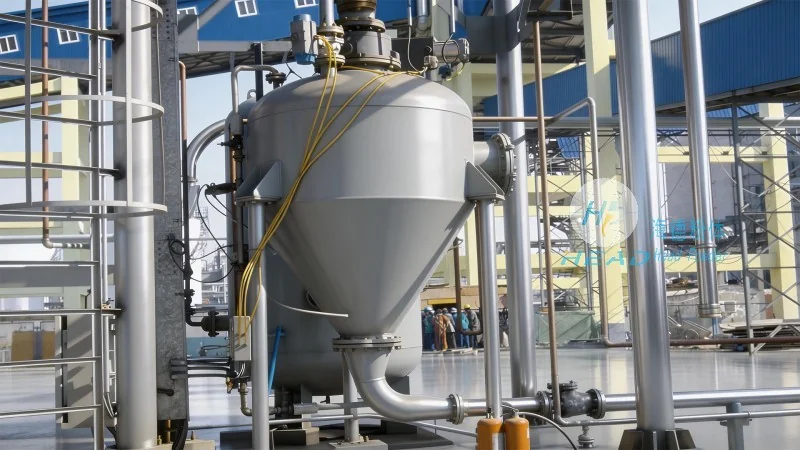
Choosing between positive and negative pressure pneumatic conveying for synthetic fibers depends on a combination of operational requirements, material characteristics, and budget considerations. Positive pressure systems are generally preferred for high-volume, long-distance transport of abrasive or moisture-sensitive synthetic fibers, offering reliable performance and durability. Negative pressure systems are more suitable for short-distance, low-volume applications with non-abrasive materials where energy efficiency is a priority.
Shandong HeadPowder Engineering Co., Ltd., with its expertise in pneumatic conveying technology, provides tailored solutions that address the specific needs of synthetic fiber manufacturers. By evaluating the distance, material properties, and operational goals, companies can select the most appropriate system to optimize their production processes and ensure efficient, safe, and cost-effective synthetic fiber transport. Whether you opt for positive or negative pressure, the key is to choose a system that aligns with your production requirements and delivers consistent performance over the long term.