When it comes to handling fibrous materials through pneumatic conveying systems, selecting the right pressure type—positive or negative—is a critical decision that impacts efficiency, cost, and system longevity. For businesses in industries such as food processing, pharmaceuticals, or chemical manufacturing, understanding the nuances between these two approaches is essential for optimizing material transport. This article explores the key differences between positive and negative pressure systems, providing insights to help you make an informed choice for your fiber handling needs.
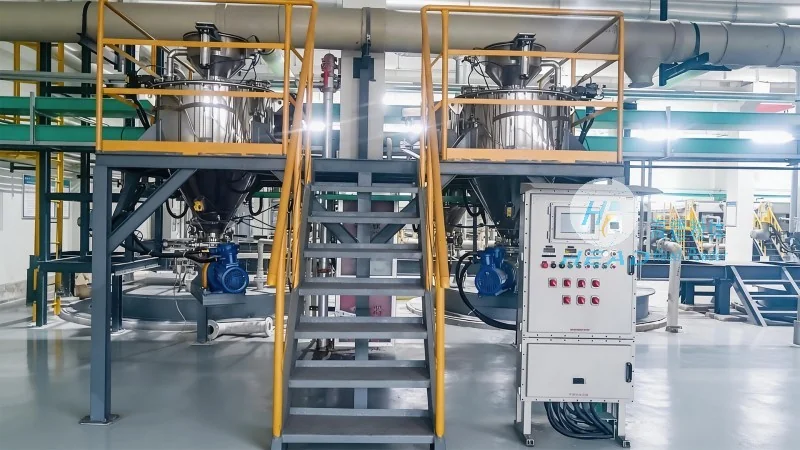
Key Factors in Selecting Pneumatic Conveying Systems for Fibers
Before diving into the specifics of positive versus negative pressure, it's important to consider the fundamental characteristics of fibrous materials. These materials often have unique properties, including high moisture content, abrasive nature, or tendency to clump, which can affect how they behave in a conveying system. The choice of pressure type is influenced by several factors, including material characteristics, system layout, and operational requirements.
Positive Pressure Conveying Systems
Positive pressure systems, also known as pressure or blow-through systems, operate by forcing air and material through the conveying line using a positive pressure source. This method is particularly effective for transporting fibrous materials over long distances or through complex system layouts. The primary advantage of positive pressure is its ability to handle abrasive or sticky materials without excessive wear on system components. For example, in the food industry, positive pressure is often used to transport fibrous ingredients like wheat bran or vegetable fibers, as it minimizes product contamination and maintains product integrity.
Negative Pressure Conveying Systems
Negative pressure systems, or vacuum systems, work by creating a vacuum at the material inlet and pulling material into the system. This approach is ideal for applications where material is to be collected from multiple points or where the material source is located at a higher elevation than the destination. Negative pressure systems are generally more suitable for lighter, less abrasive materials and are often used in environments where dust control is a priority. However, they may be less efficient for long-distance transport or for handling highly abrasive fibrous materials, as the vacuum can lead to increased wear on the system's vacuum pump and ductwork.
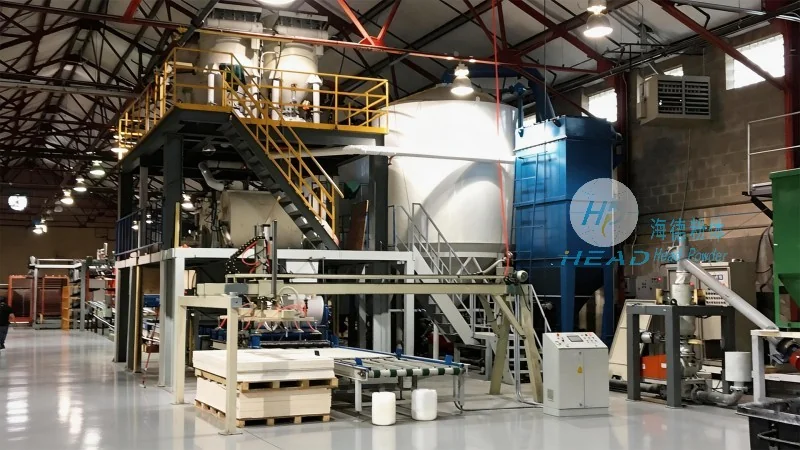
Distinguishing Between Positive and Negative Pressure Systems
So, how can you tell which system is right for your fiber handling application? The key lies in evaluating the specific requirements of your operation. Here are some practical guidelines to help you differentiate between the two:
1. **Material Characteristics**: If your fibrous material is abrasive, sticky, or has high moisture content, a positive pressure system is often the better choice. The constant flow of air in a positive system helps to keep the material moving and reduces the risk of blockages. Conversely, if the material is lightweight and non-abrasive, a negative pressure system may suffice.
2. **System Layout and Distance**: For long-distance or complex system layouts, positive pressure is typically more efficient. The pressure source can push material through the entire system, ensuring consistent flow. Negative pressure systems are better suited for shorter distances or when the material source is at a higher level, as the vacuum can effectively pull material from a single point.
3. **Dust Control and Environmental Factors**: If your operation requires strict dust control, negative pressure systems may offer advantages. The sealed vacuum system helps to contain dust within the ductwork, reducing environmental impact. Positive pressure systems, however, may require additional filtration to prevent dust from escaping into the environment.
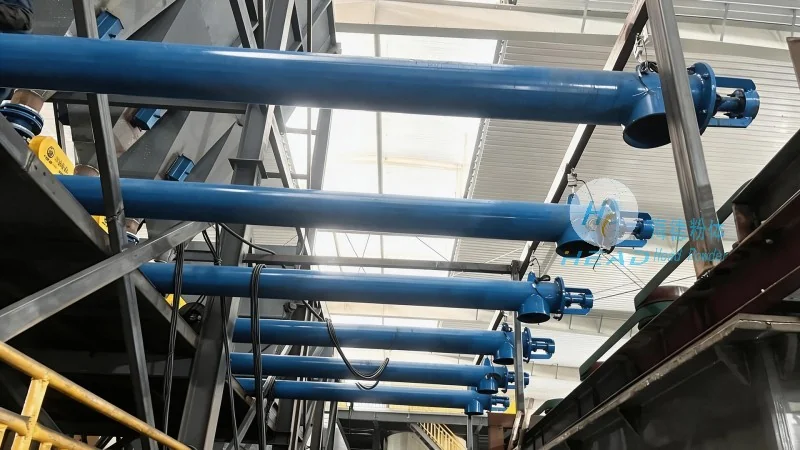
4. **Maintenance and Cost Considerations**: Positive pressure systems generally have lower maintenance costs due to the absence of a vacuum pump, which is a major component in negative pressure systems. However, the air compressor used in positive systems may require more frequent maintenance. Negative pressure systems, while potentially more expensive to install, may have lower operational costs for certain applications, especially when dealing with lightweight materials.
Case Study: Application in the Food Industry
Shandong HeadPowder Engineering Co., Ltd., a leading provider of pneumatic conveying solutions based in China, has extensive experience in implementing both positive and negative pressure systems for fibrous materials in the food sector. For instance, one of their clients, a large-scale bakery, required a system to transport fibrous wheat bran from a storage silo to a mixing facility. By analyzing the material's abrasive nature and the need for long-distance transport, HeadPowder recommended a positive pressure system. The system was designed with high-quality, wear-resistant components to minimize maintenance and ensure consistent product quality. The positive pressure approach successfully handled the bran without blockages or contamination, demonstrating the effectiveness of this method for such applications.
Conclusion
Choosing between positive and negative pressure pneumatic conveying systems for fibrous materials requires a careful assessment of material properties, system requirements, and operational goals. Positive pressure systems excel in handling abrasive or sticky materials and are ideal for long-distance transport, while negative pressure systems are better suited for lightweight materials and applications where dust control is critical. By understanding these distinctions and considering the specific needs of your operation, you can select the most efficient and cost-effective system for your fiber handling needs. For expert guidance and customized solutions, companies like Shandong HeadPowder Engineering Co., Ltd. offer professional consultation and tailored system designs to meet your unique requirements.




