

Pneumatic Conveying for Pigments: Choosing Positive Pressure vs. Negative Pressure - How to Distingu
When it comes to transporting pigments via pneumatic systems, the choice between positive pressure and negative pressure is a critical decision that impacts efficiency, cost, and operational safety. Both methods have distinct characteristics and are suitable for different scenarios. This guide aims to explain the key differences and help you determine which system is best for your pigment handling needs.
Positive Pressure Pneumatic Conveying
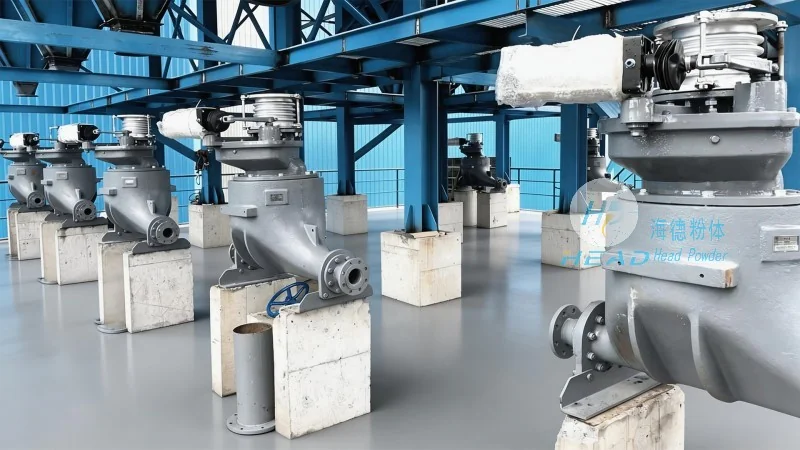
Positive pressure systems operate by blowing air or gas into the conveying line, creating a pressure higher than the ambient air. This method pushes the material forward through the pipeline. The primary advantages of positive pressure include the ability to transport materials over longer distances and handle more abrasive or difficult-to-move pigments. Additionally, positive pressure systems are often more straightforward to install and maintain, as they do not require complex vacuum setups. However, they may generate more noise and require more energy compared to negative pressure systems. The equipment typically includes a blower, a hopper, and a receiver, with the entire system pressurized. Positive pressure pneumatic conveying systems are ideal for applications where high throughput and long-distance transport are required, such as in large-scale pigment production facilities.
Negative Pressure Pneumatic Conveying
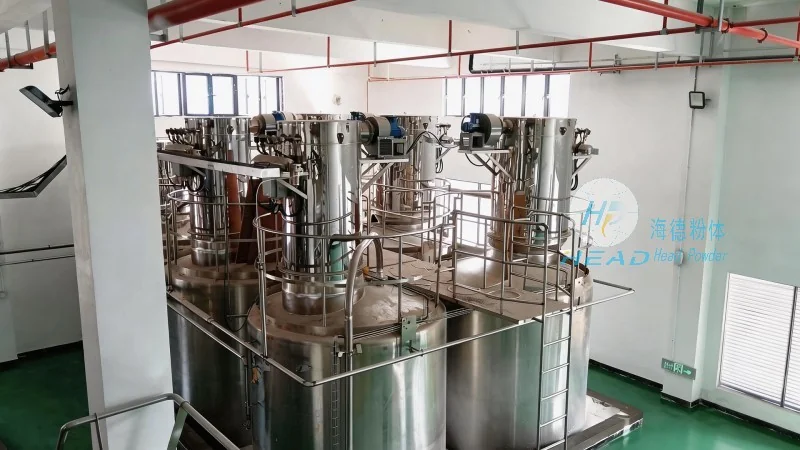
Negative pressure systems, also known as vacuum systems, create a pressure lower than the ambient air by drawing air and material through the line. This method pulls the material from the source. The main benefits of negative pressure include lower energy consumption and reduced noise levels. They are often preferred for applications where the material is sensitive to pressure changes or where the conveying distance is shorter. However, negative pressure systems may have limitations in handling highly abrasive or large particles, as the vacuum can sometimes cause material degradation or blockages. The setup typically involves a vacuum pump, a hopper, and a receiver, with the system operating under reduced pressure. Negative pressure pneumatic conveying systems are commonly used in smaller-scale operations or for handling fine, delicate pigments that require gentle transport.
Distinguishing Between Positive and Negative Pressure Systems
Several factors can help you decide between positive and negative pressure for pigment conveying:
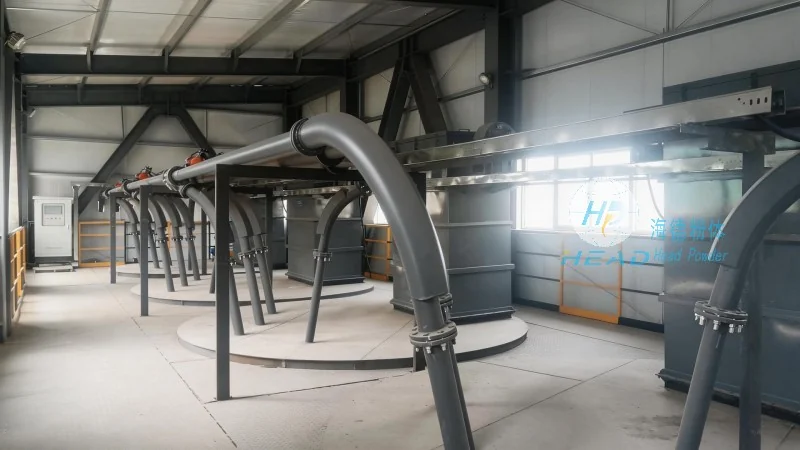
- Conveying Distance: Positive pressure is generally better for longer distances, typically up to several hundred meters or more, while negative pressure is suitable for shorter runs, often within a few tens of meters.
- Material Characteristics: If the pigment is abrasive or has high moisture content, positive pressure may be more effective due to its ability to handle higher particle loads without clogging. For delicate or fine powders, negative pressure might be preferred to avoid particle attrition or agglomeration during transport.
- Energy and Cost: Negative pressure systems typically consume less energy, as they rely on the vacuum pump to draw material rather than a high-pressure blower. This makes them more cost-effective for shorter distances. Positive pressure systems may require more energy but are more efficient for longer distances, where the energy savings from reduced pressure drop outweigh the higher power consumption.
- Noise and Safety: Negative pressure systems are quieter and may pose fewer risks in terms of dust dispersion compared to positive pressure systems, which can generate more noise and dust due to the high-pressure air flow. This is particularly important in environments where noise regulations or dust control are strict.
Key Considerations for Pigment Handling
When selecting a pneumatic conveying system for pigments, it is essential to consider the specific properties of the material, such as particle size, density, and moisture content. These factors influence the system's capacity, pressure requirements, and overall performance. Additionally, the layout of the production facility, including the location of the hopper, receiver, and any intermediate equipment, will impact the choice of system. Positive pressure systems are often preferred for horizontal or slightly inclined conveying, while negative pressure systems may be more suitable for vertical or short vertical runs.
About Shandong HeadPowder Engineering Co., Ltd.
Shandong HeadPowder Engineering Co., Ltd., commonly known as HeadPowder, is a leading provider of pneumatic conveying solutions for the pigment industry. With a focus on innovation and customer satisfaction, HeadPowder offers a range of positive and negative pressure systems tailored to meet the specific needs of pigment manufacturers. The company’s expertise in material handling ensures that clients receive reliable and efficient equipment that enhances their production processes. HeadPowder’s solutions are designed to improve productivity, reduce downtime, and ensure safe material transport, supporting the success of pigment processing operations worldwide. HeadPowder’s team of engineers works closely with clients to assess their requirements and recommend the most appropriate system, ensuring optimal performance and long-term reliability.