

Operation Process and Working Principle of Steel and Lime Powder Pneumatic Conveying Equipment
HeadPowder, a leading manufacturer based in Shandong, China, specializes in the design, production, and supply of advanced pneumatic conveying systems tailored for industrial applications involving steel and lime powders. This article delves into the operational process and underlying principles of such equipment, highlighting its efficiency, reliability, and suitability for demanding industrial environments.
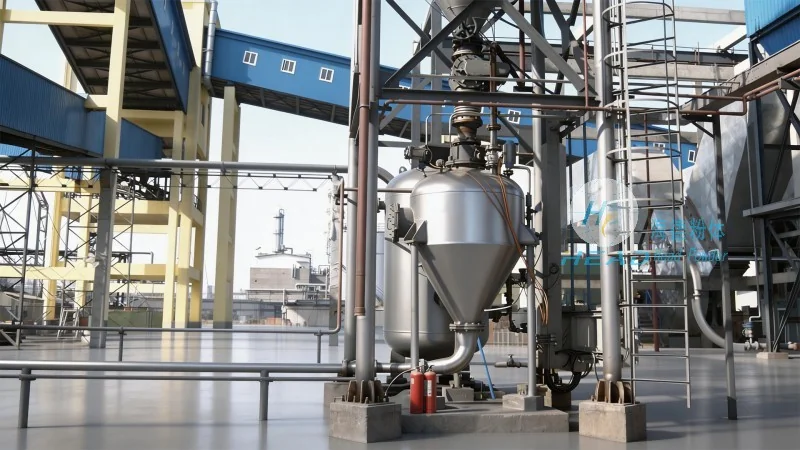
Overview of Pneumatic Conveying Systems for Steel and Lime Powders
At the core of industrial material handling, pneumatic conveying systems offer a versatile and effective solution for transporting dry powders like steel and lime. These systems utilize air or gas to move bulk materials through pipelines, eliminating the need for mechanical components like belts or buckets. The equipment from HeadPowder is engineered to handle the unique properties of steel and lime powders, ensuring consistent performance and minimal material degradation during transport.
Key Components and Their Functions
The pneumatic conveying system for steel and lime powders typically consists of several critical components, each playing a vital role in the overall operation. These include a hopper for material storage, a feeder to control the flow rate, a conveying line (often equipped with bends and filters), a dust collector to capture airborne particles, and a discharge point for the material. The hopper is designed to accommodate bulk quantities of steel or lime, while the feeder ensures a steady, controlled feed into the system. The conveying line, constructed from durable materials like stainless steel or special alloys, is engineered to withstand the abrasive nature of these powders. The dust collector, integrated into the system, maintains air quality and prevents environmental contamination by capturing fine particles that may be released during the conveying process.
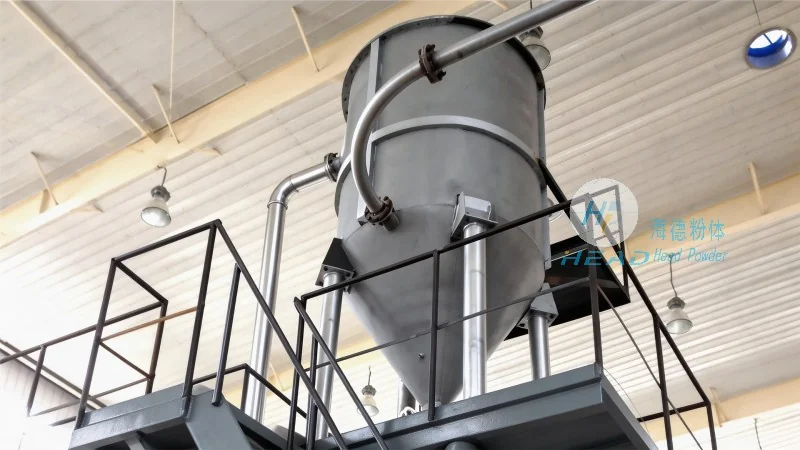
Working Principle: How the System Transports Materials
The operation of the pneumatic conveying system for steel and lime powders is based on the principle of air movement and pressure differentials. The process begins with the material being fed from the hopper into the conveying line. Simultaneously, a fan or blower generates a flow of air within the pipeline. As the material enters the line, it is entrained by the moving air, forming a slurry-like mixture that travels through the system. The air pressure and velocity are carefully controlled to ensure the material is transported efficiently without causing blockages or excessive wear on the equipment. The system may use either positive pressure (where air is pushed through the line) or negative pressure (where air is drawn out), depending on the specific application and material characteristics. For steel and lime powders, positive pressure systems are often preferred as they provide better control over material flow and reduce the risk of dust accumulation.
Operation Process: Step-by-Step Execution
The operational process of the pneumatic conveying system involves several sequential steps that ensure smooth and continuous material transport. First, the hopper is filled with the steel or lime powder, and the system is activated by starting the feeder and the air blower. The feeder regulates the feed rate, ensuring a consistent flow of material into the conveying line. The air blower then generates the necessary airflow, which entrains the material and propels it through the pipeline. As the material travels, it passes through any bends or filters in the system, which may be used to separate larger particles or remove moisture. The dust collector captures any fine particles that are released during the process, maintaining air quality and preventing contamination. Finally, the material is discharged from the system at the designated point, completing the transport cycle. The system is designed to operate continuously, with minimal downtime for maintenance or material replenishment, making it ideal for high-volume industrial applications.
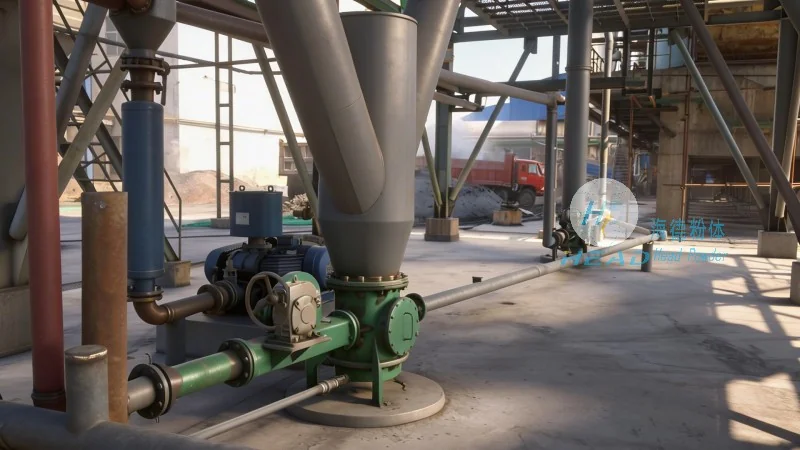
Advantages of Using Pneumatic Conveying for Steel and Lime Powders
Compared to traditional mechanical conveying methods, pneumatic conveying systems offer several advantages when handling steel and lime powders. These include: 1. Reduced Material Degradation: The absence of mechanical components minimizes the risk of abrasion or impact damage to the powder particles, preserving their quality and properties. 2. Improved Safety: The enclosed system prevents dust emissions and reduces the risk of fire or explosion, which are common hazards in handling fine powders. 3. Enhanced Efficiency: The ability to transport materials over long distances with minimal energy consumption makes the system cost-effective for large-scale operations. 4. Flexibility: The system can be easily modified or expanded to accommodate changes in material volume or processing requirements. 5. Low Maintenance: With fewer moving parts, the system requires less frequent maintenance, reducing downtime and operational costs.
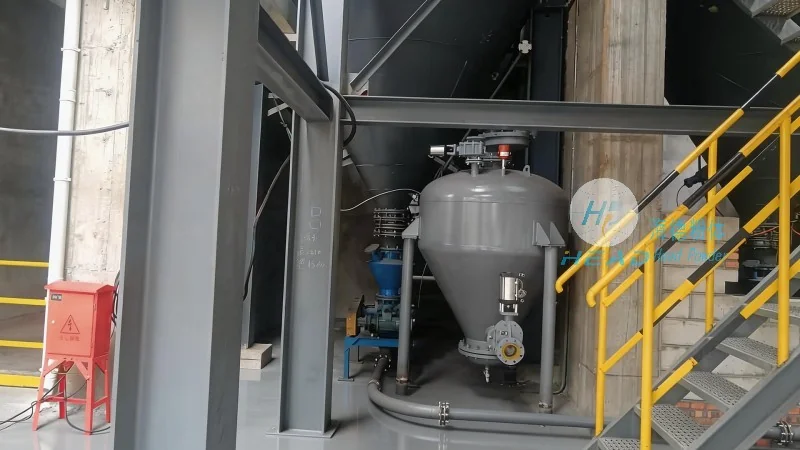
Applications and Industries
The pneumatic conveying equipment from HeadPowder is widely used in various industries that rely on the transport of steel and lime powders. These include steel manufacturing plants, where lime is used for slag formation and desulfurization processes; cement and concrete production, where steel powders may be incorporated as additives; and chemical processing facilities, where lime is used as a neutralizing agent or raw material. The versatility of the system allows it to be adapted to different production scales and operational conditions, making it a reliable choice for industrial material handling.
Conclusion
HeadPowder’s pneumatic conveying equipment for steel and lime powders represents a sophisticated solution for efficient and safe material transport in industrial settings. By understanding the operation process and working principles of these systems, users can optimize their material handling operations, reduce costs, and enhance overall productivity. With its robust design and reliable performance, the equipment from HeadPowder continues to be a trusted choice for businesses seeking to improve their material transport processes.