When it comes to the efficient handling and transportation of potato starch, selecting the right conveying method is crucial for optimizing production processes and ensuring product quality. As a leading manufacturer in the field, Shandong HeadPowder Engineering Co., Ltd. specializes in providing reliable solutions tailored to the unique needs of potato starch processing facilities. This article explores the common methods used for potato starch conveying, highlighting the key considerations and benefits of each approach.
Understanding Potato Starch Conveying Systems
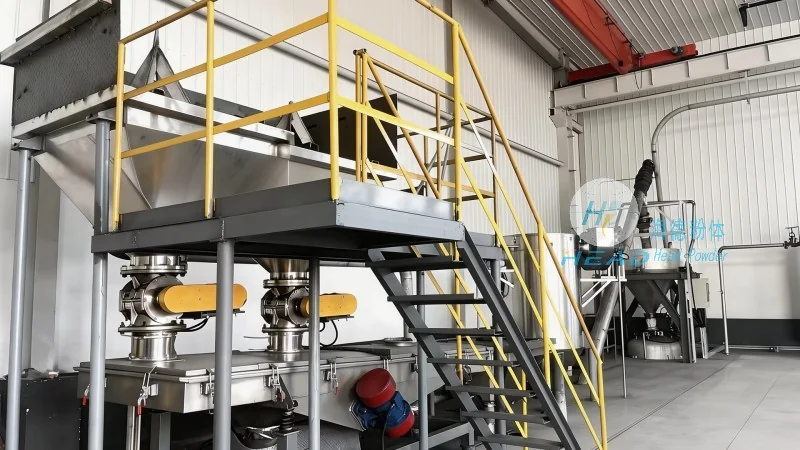
Potato starch conveying systems are designed to move starch from storage silos, processing units, or packaging areas with minimal loss and maximum efficiency. The choice of conveying method depends on factors such as the starch's moisture content, particle size, flow characteristics, and the distance it needs to be transported. Proper selection ensures smooth operation, reduces downtime, and maintains the integrity of the starch product.
Common Conveying Methods for Potato Starch
There are several widely used methods for transporting potato starch, each with its own advantages and applications. The primary methods include pneumatic conveying, mechanical conveying, and gravity-based systems. Each method is suited to different operational requirements and environmental conditions.
Pneumatic Conveying Systems
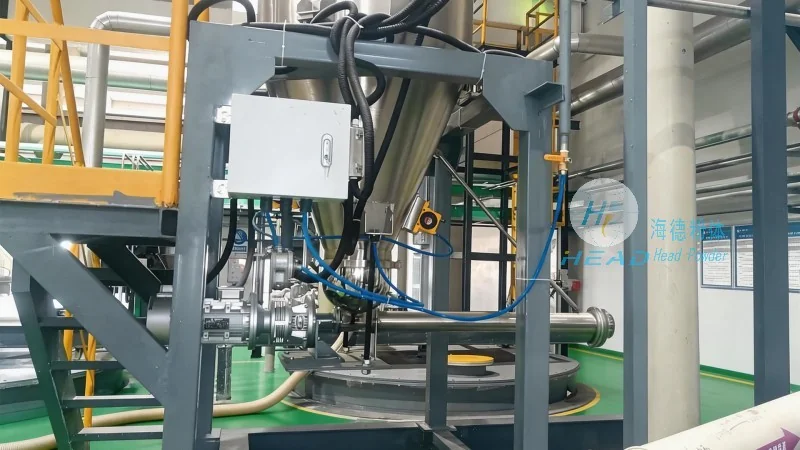
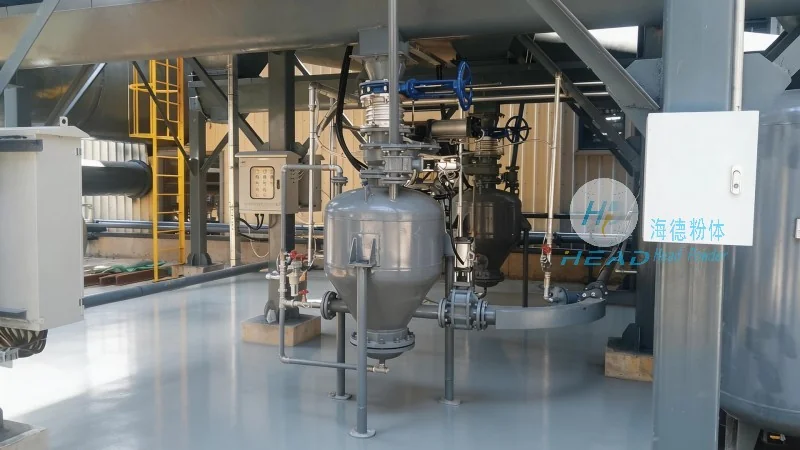
Pneumatic conveying is a popular choice for potato starch transportation due to its ability to handle fine powders and transport materials over moderate distances. This method uses air pressure to move starch through a network of pipes. There are two main types of pneumatic conveying: pressure and vacuum systems. Pressure systems use compressed air to push the starch forward, while vacuum systems use suction to draw the material. Pneumatic systems are effective for handling dry, free-flowing starch and can be configured for both short and long-distance transport. They are particularly useful in facilities where dust control and contamination prevention are critical. The equipment used in pneumatic conveying includes hoppers, feeders, and control valves, all of which are designed to maintain consistent flow rates and prevent blockages. Shandong HeadPowder Engineering Co., Ltd. offers advanced pneumatic conveying solutions that incorporate features such as adjustable air flow, material separation, and automated control, ensuring reliable and efficient operation.
Mechanical Conveying Systems
Mechanical conveying methods rely on mechanical components to move potato starch. The most common types include screw conveyors, belt conveyors, and bucket elevators. Screw conveyors use a rotating screw to push the starch along a trough, making them ideal for horizontal or slight incline transport. They are suitable for handling bulk quantities of starch and can be easily integrated into existing processing lines. Belt conveyors use a continuous belt to transport starch, often used for longer horizontal distances or when transporting larger quantities. These systems are durable and can handle a wide range of particle sizes. Bucket elevators, on the other hand, use a series of buckets attached to a chain or belt to lift starch vertically. They are efficient for vertical transport and can handle high volumes of material. Mechanical conveying systems are generally more cost-effective for short to medium distances and are preferred when the starch has a higher moisture content or is more cohesive.
Gravity-Based Conveying Systems
Gravity-based conveying systems utilize the natural force of gravity to move potato starch. These systems are typically used for short horizontal distances and rely on the starch's ability to flow freely. They often involve chutes or inclined planes that allow the starch to slide from one level to another. While simple in design, gravity conveyors require careful design to ensure smooth flow and prevent material buildup or blockages. They are most effective for transporting dry, free-flowing starch with low moisture content. Gravity systems are commonly used in facilities where the layout allows for natural flow and where the distance to be covered is minimal. Shandong HeadPowder Engineering Co., Ltd. may offer gravity-based solutions as part of a comprehensive conveying system, particularly for facilities with specific spatial constraints or where minimal energy consumption is a priority.
Key Considerations for Selecting a Conveying Method
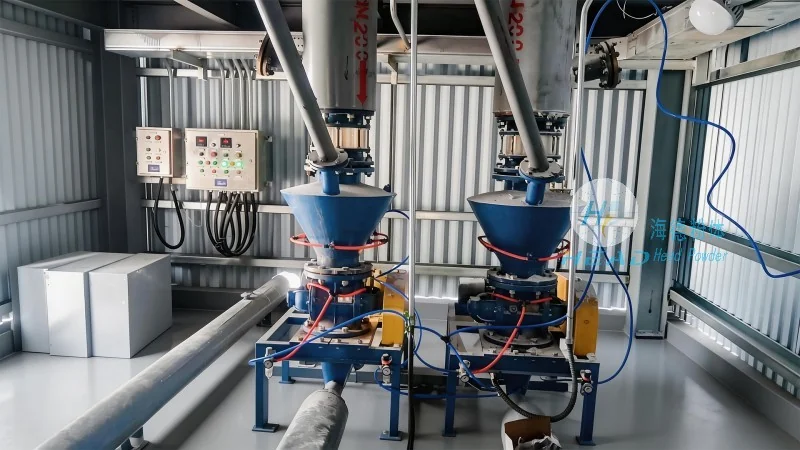
When choosing a potato starch conveying method, several factors must be considered to ensure optimal performance. The first is the starch's physical properties, including moisture content, particle size distribution, and flowability. Starch with high moisture content may require mechanical or gravity systems to prevent caking or blockages. The second factor is the distance and layout of the processing facility. Longer distances may necessitate pneumatic or mechanical systems, while shorter distances can accommodate gravity or simple mechanical solutions. Energy consumption is another critical consideration, as pneumatic systems may require more power than mechanical or gravity systems. Maintenance requirements and operational costs also play a role, as some systems may need more frequent maintenance or have higher initial costs. The scale of the operation and the volume of starch to be transported are also important, as larger facilities may require more robust and high-capacity systems. Shandong HeadPowder Engineering Co., Ltd. provides expert guidance in selecting the most suitable conveying method based on these factors, ensuring that clients receive a tailored solution that meets their specific needs and operational goals.
Conclusion
Efficient potato starch conveying is essential for maintaining production efficiency and product quality in processing facilities. The choice of conveying method depends on a variety of factors, including the starch's properties, the distance to be covered, and the operational requirements of the facility. Pneumatic, mechanical, and gravity-based systems each offer unique advantages and are suitable for different applications. By carefully evaluating these factors and consulting with experts like Shandong HeadPowder Engineering Co., Ltd., potato starch processing facilities can select the most appropriate conveying system to enhance their operations. Whether for short or long-distance transport, these systems help ensure smooth material flow, reduce downtime, and maintain the integrity of the potato starch product. With their expertise and advanced solutions, Shandong HeadPowder Engineering Co., Ltd. continues to be a trusted partner in providing reliable potato starch conveying solutions for clients worldwide.




