Calcium fluoride, also known as fluorite, is a widely used chemical compound in various industrial applications. The efficient and safe transportation of calcium fluoride is crucial for maintaining production efficiency and ensuring product quality. This article will explore the common methods used for calcium fluoride transportation, highlighting the key considerations and best practices in the industry.
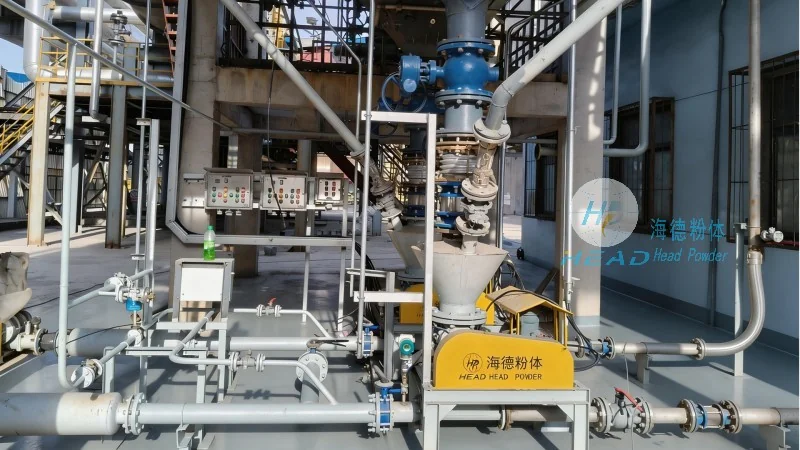
1. Bulk Handling and Storage Solutions
For large-scale operations, bulk handling and storage solutions are often employed to manage calcium fluoride efficiently. Companies like Shandong HeadPowder Engineering Co., Ltd. specialize in providing tailored equipment and systems for the storage and transportation of bulk calcium fluoride. These solutions typically include silos, hoppers, and conveyor systems designed to handle the material's characteristics, such as its granular or powder form. Proper storage is essential to prevent moisture absorption and clumping, which can affect the material's flow properties and subsequent processing.
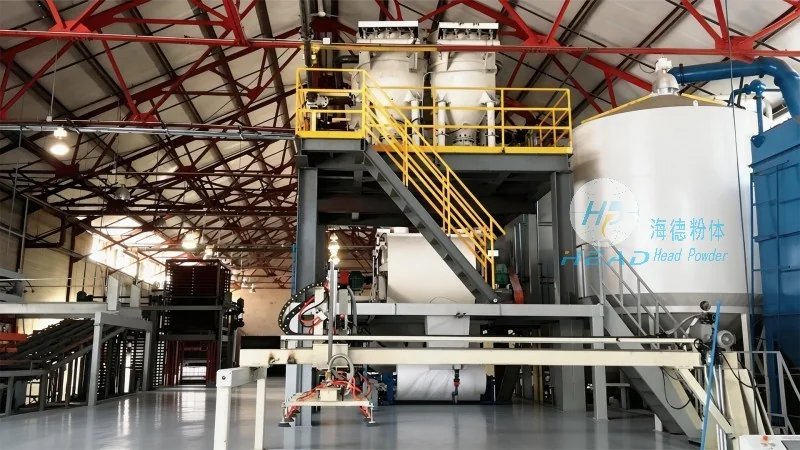
2. Pneumatic Conveying Systems
Pneumatic conveying is a popular method for transporting calcium fluoride, especially in applications where dust control and minimal product contamination are required. This system uses air pressure to move the material through a pipeline. There are two main types of pneumatic conveying: pressure and vacuum. Pressure systems are suitable for short to medium distances and can handle higher material loads, while vacuum systems are ideal for longer distances and more delicate materials. The choice of system depends on factors like the distance between the source and destination, the volume of material to be transported, and the need for dust suppression.
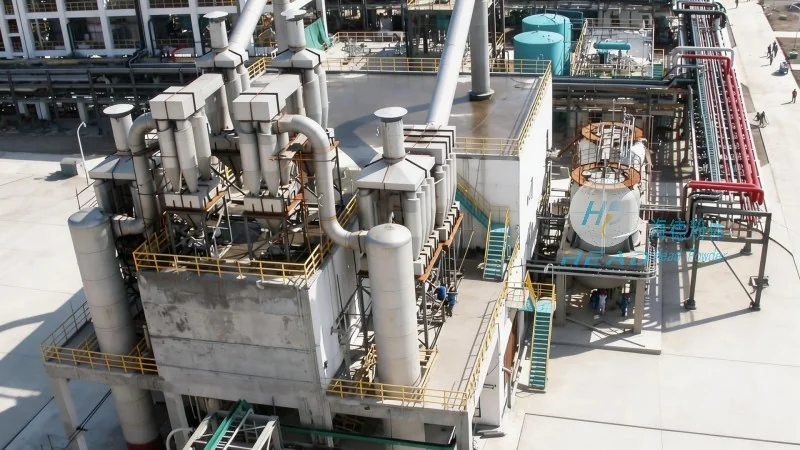
3. Mechanical Conveying Equipment
Mechanical conveying equipment, such as belt conveyors, screw conveyors, and bucket elevators, is widely used for calcium fluoride transportation. Belt conveyors are commonly used for horizontal or slightly inclined transport, providing a continuous and reliable method for moving bulk materials. Screw conveyors are effective for vertical or inclined transport, utilizing a rotating screw to push the material forward. Bucket elevators are used for vertical transport, lifting the material from lower to higher levels. These mechanical systems are often preferred for their simplicity, low maintenance, and ability to handle a wide range of material sizes and moisture contents.
4. Containerized Transport
For smaller quantities or when transporting calcium fluoride to different locations, containerized transport is a practical option. This method involves loading the material into containers, such as bulk bags or containers, which are then transported via trucks, ships, or rail. The containers are designed to protect the material from moisture and contamination during transit. Proper sealing and handling procedures are critical to ensure the material remains in good condition throughout the transportation process. This method is particularly useful for companies that need to supply calcium fluoride to clients in different regions or for applications that require precise dosing.
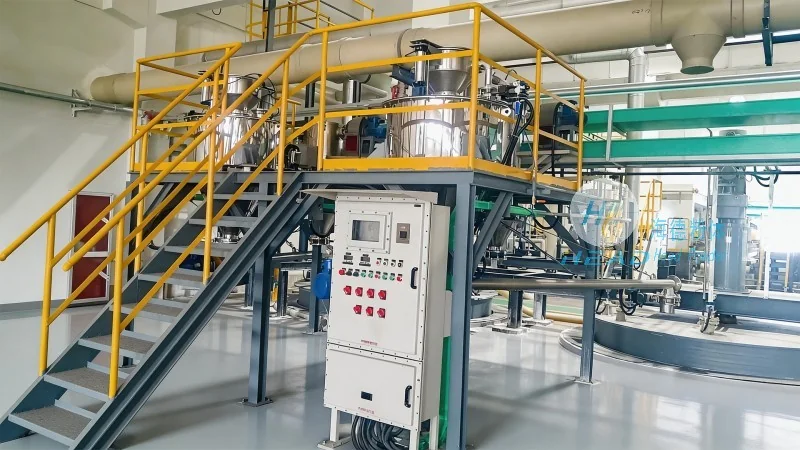
5. Specialized Handling for Hazardous or Delicate Materials
In some cases, calcium fluoride may be transported as a hazardous or delicate material, requiring specialized handling and equipment. For example, if the material is in a fine powder form, it may need to be handled with dust suppression systems to prevent inhalation risks. Additionally, if the material is being transported in a liquid or slurry form, specialized pumps and pipelines are required to maintain the material's consistency and prevent clogging. Companies like Shandong HeadPowder Engineering Co., Ltd. offer customized solutions to address these specific needs, ensuring that the transportation process is safe, efficient, and compliant with industry regulations.




