

Operation Process and Working Principle of Activated Carbon Powder Pneumatic Conveying Equipment
Activated carbon powder pneumatic conveying equipment is a specialized system designed for the efficient and reliable transport of activated carbon powder in industrial applications. This equipment plays a crucial role in various processes, such as air purification, water treatment, and chemical processing, where the handling of fine powders requires precision and control. The system combines advanced engineering principles with robust materials to ensure optimal performance under diverse operational conditions.
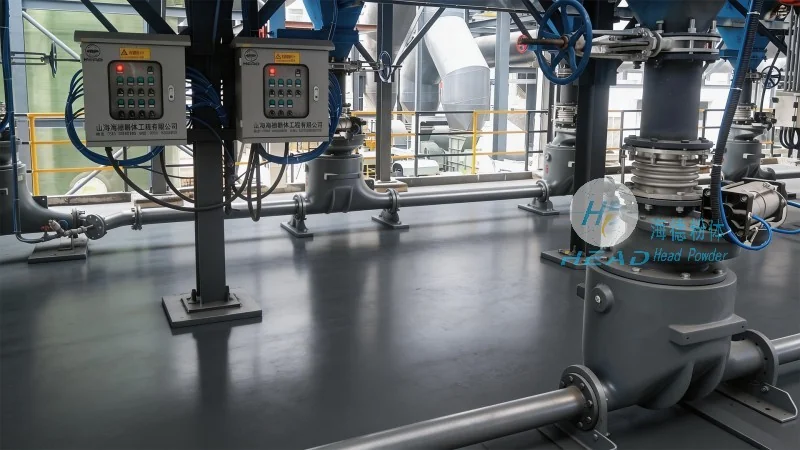
Key Components and Their Functions
The operation of activated carbon powder pneumatic conveying equipment relies on several key components, each contributing to the overall functionality of the system. The primary components include the hopper, which serves as the storage and feeding unit for the activated carbon powder; the air compressor or blower, which generates the necessary air pressure to move the powder; the conveying pipeline, which transports the powder from the source to the destination; and the control system, which regulates the flow and pressure to maintain stable operation. Each component is carefully designed to handle the specific characteristics of activated carbon powder, such as its fine particle size and potential for dust generation.
Working Principle of the Pneumatic Conveying Process
The working principle of activated carbon powder pneumatic conveying equipment is based on the principle of fluidization and pneumatic transport. The process begins with the powder being fed from the hopper into the conveying pipeline. Simultaneously, the air compressor supplies compressed air into the pipeline, creating a high-pressure environment. As the air flows through the pipeline, it lifts and suspends the activated carbon powder particles, converting them into a slurry-like mixture. This mixture is then transported through the pipeline to the destination point, such as a reactor or storage tank. The control system continuously monitors the pressure and flow rates, adjusting the air supply to maintain consistent conveying performance. The entire process is designed to minimize particle degradation, prevent blockages, and ensure efficient material transfer.
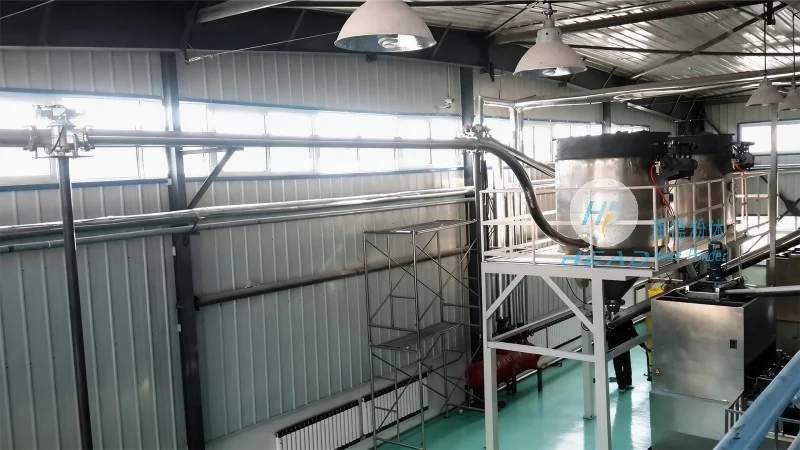
Operation Process: Step-by-Step Overview
The operation process of activated carbon powder pneumatic conveying equipment can be broken down into several sequential steps, each critical to the successful execution of the conveying task. First, the activated carbon powder is loaded into the hopper, ensuring an adequate supply for the process. Next, the air compressor is activated, and the control system is set to the desired pressure and flow rate. The powder is then released from the hopper into the conveying pipeline, where it is mixed with the compressed air. The mixture travels through the pipeline, reaching the destination point. At the destination, the powder is separated from the air, typically through a cyclone separator or filter, and collected in a container. The control system continuously monitors the system parameters, such as pressure and flow, to detect any deviations and adjust the operation accordingly. This step-by-step process ensures that the activated carbon powder is transported safely and efficiently, minimizing downtime and maximizing productivity.
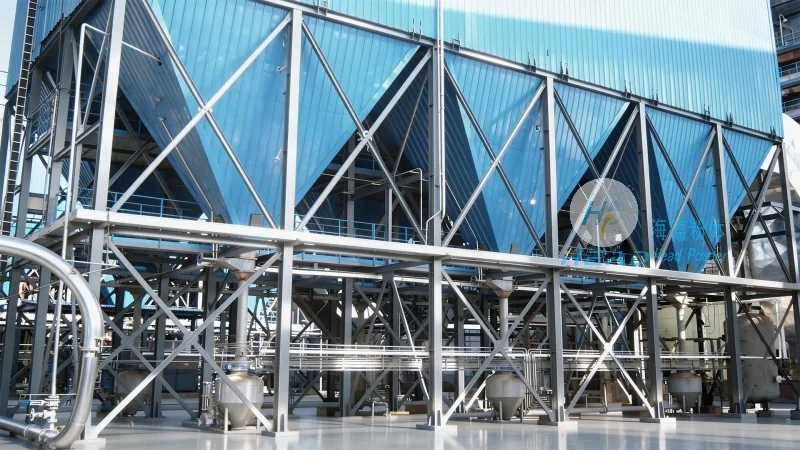
Advantages of Activated Carbon Powder Pneumatic Conveying Equipment
Activated carbon powder pneumatic conveying equipment offers several advantages over traditional mechanical conveying methods. One of the primary benefits is the ability to handle fine powders without the need for mechanical components, which can be prone to wear and tear. The system also provides a clean and dust-free environment, reducing the risk of contamination and improving workplace safety. Additionally, the equipment can be easily integrated into existing industrial processes, allowing for seamless material transfer. The use of compressed air as the conveying medium also enables the transport of materials over long distances and through complex piping systems. These advantages make the equipment suitable for a wide range of applications, from small-scale laboratory operations to large-scale industrial production.
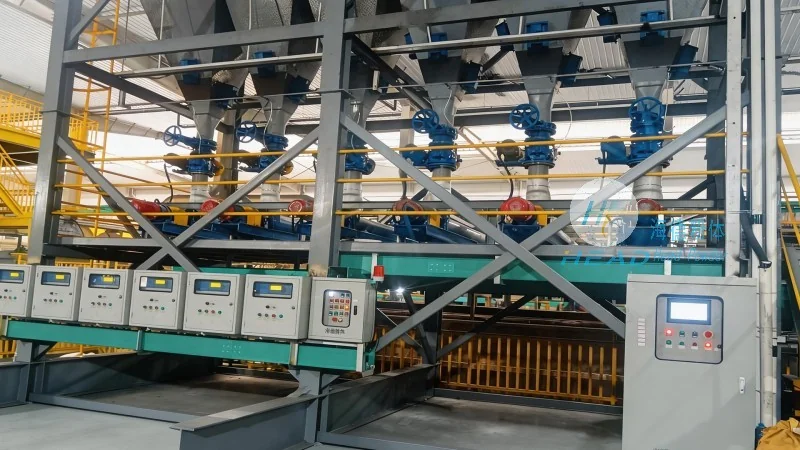
Applications in Industrial Settings
Activated carbon powder pneumatic conveying equipment is widely used in various industrial sectors due to its versatility and efficiency. In the water treatment industry, the equipment is used to transport activated carbon for filtration and adsorption processes, improving water quality and removing contaminants. In the chemical industry, it is employed to convey activated carbon for chemical reactions and processing, enhancing product purity and yield. The equipment is also utilized in the pharmaceutical and food industries, where the handling of fine powders requires strict hygiene and contamination control. Additionally, in the environmental sector, the equipment is used for the transport of activated carbon in air purification systems, reducing air pollution and improving indoor air quality. The adaptability of the system to different industrial applications makes it a valuable asset for companies seeking to optimize their material handling processes.
Maintenance and Operational Considerations
Proper maintenance and operational considerations are essential to ensure the long-term performance and reliability of activated carbon powder pneumatic conveying equipment. Regular maintenance activities include checking the air compressor for proper operation, inspecting the conveying pipeline for blockages or leaks, and cleaning the hopper and control system to prevent powder accumulation. The control system should be calibrated regularly to maintain accurate pressure and flow readings. Additionally, the equipment should be operated within the specified parameters to avoid overloading or damage to components. Proper training of operators is also crucial to ensure safe and efficient operation. By following these maintenance and operational guidelines, companies can maximize the lifespan of their equipment and minimize downtime, leading to improved productivity and cost savings.