

Common Methods for Conveying Lightweight Aggregates
Lightweight aggregates, such as expanded clay, perlite, and vermiculite, are widely used in construction and industrial applications due to their low density and excellent thermal insulation properties. Efficient and reliable conveying of these materials is crucial for maintaining production efficiency and ensuring product quality. This article explores the common methods used for transporting lightweight aggregates, highlighting the key considerations and technologies involved.
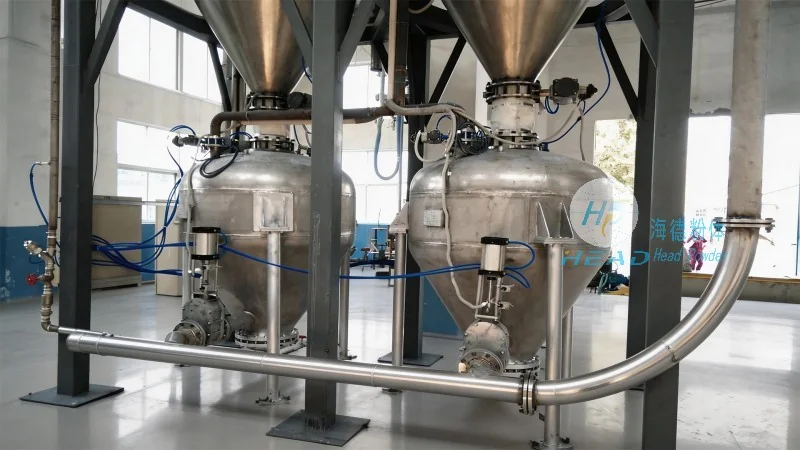
1. Belt Conveyors: The Workhorse of Material Handling
Belt conveyors are among the most common and versatile equipment for transporting lightweight aggregates. These systems utilize a continuous belt, typically made of rubber or synthetic materials, to move materials from one location to another. The belt is supported by rollers or idlers and can be configured in various configurations, including horizontal, inclined, or even vertical sections, depending on the layout of the production facility. For lightweight aggregates, the key is to select a belt with appropriate tension and friction properties to prevent slippage and ensure smooth operation. The design of the conveyor system, including the angle of inclination and the speed of the belt, is critical for maintaining material flow and preventing material degradation. Belt conveyors are particularly effective for long-distance horizontal or slightly inclined transport, making them ideal for bulk handling in industrial settings.
2. Bucket Elevators: Vertical Material Transport Solutions
When vertical transport is required, bucket elevators provide an efficient solution for lightweight aggregates. These systems consist of a vertical or inclined shaft with a continuous chain or belt that carries buckets or containers. The buckets are filled with material at the bottom of the elevator and then travel upward, releasing the material at the top. Bucket elevators are capable of handling a wide range of materials, including lightweight aggregates, and can achieve high vertical lifting heights with minimal space requirements. The design of the bucket elevator, including the size and spacing of the buckets, the speed of the chain or belt, and the tensioning system, directly impacts the efficiency and reliability of the material transport. Proper maintenance of the bucket elevator, such as regular inspection of the buckets and the drive system, is essential to prevent downtime and ensure consistent performance.
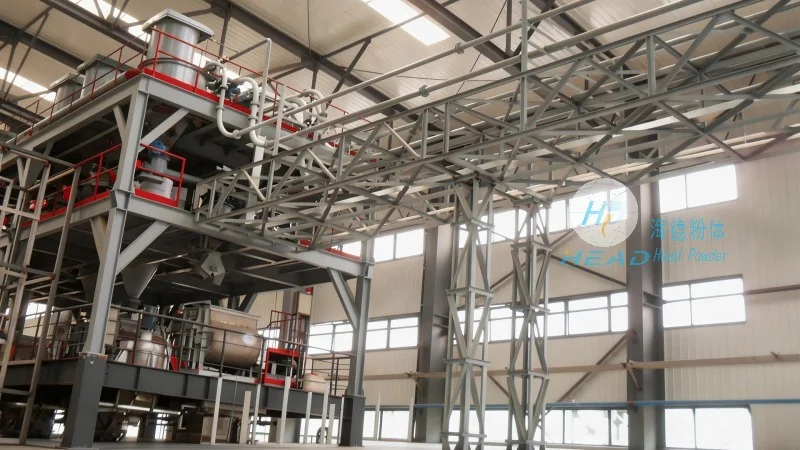
3. Pneumatic Conveying Systems: Air-Driven Material Transport
Pneumatic conveying systems use air or gas to transport lightweight aggregates through a pipeline network. These systems are particularly suitable for materials that are dusty or require a closed system to prevent contamination or environmental issues. The material is fed into the system and then carried by the moving air, which can be either positive pressure (air blowing the material forward) or negative pressure (air sucking the material into the pipeline). The choice between positive and negative pressure depends on factors such as the distance of transport, the material's properties, and the system's design. Pneumatic conveying systems offer advantages such as flexibility in layout, the ability to transport materials over long distances, and the potential for integration with other processing equipment. However, they require careful consideration of air flow rates, pressure differentials, and the material's particle size to ensure efficient and reliable operation. Proper filtration and air treatment are also important to maintain system performance and prevent material buildup in the pipeline.
4. Screw Conveyors: Continuous and Compact Material Handling
Screw conveyors, also known as auger conveyors, are another common method for transporting lightweight aggregates. These systems consist of a rotating screw (auger) inside a trough or tube, which moves material along the length of the conveyor. The screw's rotation causes the material to be pushed forward, and the design of the screw (e.g., pitch, diameter, and helix angle) is tailored to the specific material being handled. Screw conveyors are particularly effective for horizontal or slightly inclined transport and are often used in applications where space is limited or where a compact design is required. They are also suitable for materials that are free-flowing or have a relatively uniform particle size. The key to efficient operation of a screw conveyor is to ensure proper feeding and discharge, as well as to maintain the correct speed and torque of the screw. Proper maintenance, including regular cleaning of the trough and inspection of the screw and bearings, is essential to prevent clogging and ensure consistent performance.
5. Vibrating Conveyors: Gentle and Efficient Transport
Vibrating conveyors use vibrations to move lightweight aggregates along a conveyor bed. These systems typically consist of a trough or belt that is mounted on a vibrating frame, which causes the material to move forward due to the vibrations. The frequency and amplitude of the vibrations are carefully controlled to ensure efficient material transport without causing excessive wear or degradation to the material. Vibrating conveyors are particularly suitable for handling materials that are sensitive to impact or abrasion, as they provide a gentle and consistent transport method. They are often used in applications where the material needs to be conveyed over long distances or through multiple stages of processing. The design of the vibrating conveyor, including the type of vibration (e.g., linear or circular), the frequency, and the angle of inclination, is critical for achieving optimal performance. Proper maintenance, such as regular inspection of the vibration mechanism and the conveyor bed, is essential to prevent equipment failure and ensure reliable operation.
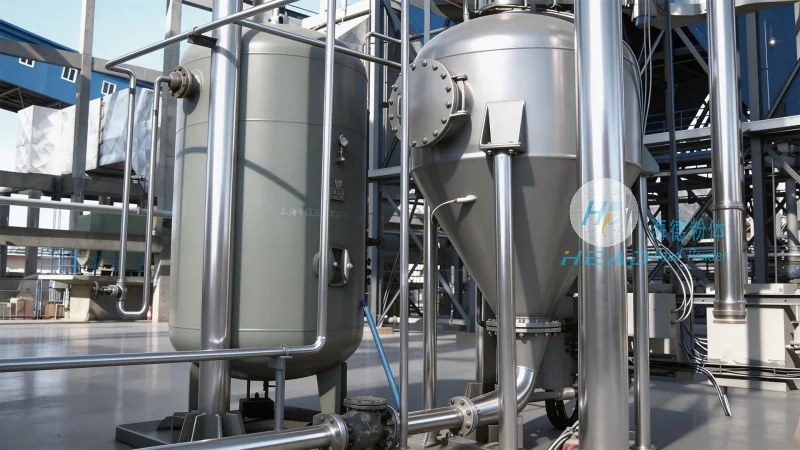
6. Considerations for Selecting the Right Conveying Method
When selecting a conveying method for lightweight aggregates, several factors must be considered to ensure the most efficient and cost-effective solution. The first consideration is the distance and layout of the transport path, as different methods are better suited for horizontal, vertical, or mixed transport. The material's properties, such as its density, particle size, and flowability, also play a significant role in determining the appropriate conveying system. For example, lightweight aggregates with high dust content may be better suited for pneumatic conveying to avoid contamination, while bulk materials with a uniform particle size may be efficiently handled by belt or screw conveyors. The required capacity and throughput of the system are also important, as the chosen method must be able to handle the expected volume of material without causing bottlenecks or downtime. Additionally, the space available in the production facility and the budget constraints must be taken into account when selecting the conveying equipment. By carefully evaluating these factors, manufacturers can choose the most suitable conveying method for their lightweight aggregate applications, ensuring optimal performance and long-term reliability.
Shandong HeadPowder Engineering Co., Ltd. - Your Partner in Efficient Material Handling
Shandong HeadPowder Engineering Co., Ltd., a leading provider of engineering solutions for the construction and industrial sectors, specializes in designing and manufacturing advanced material handling systems for lightweight aggregates. With years of experience and a commitment to innovation, HeadPowder offers a range of conveying solutions tailored to the specific needs of its clients. The company's expertise in belt conveyors, bucket elevators, pneumatic systems, and other conveying technologies ensures that customers receive reliable and efficient equipment that meets their production requirements. HeadPowder's team of engineers and technicians work closely with clients to understand their unique challenges and develop customized solutions that enhance productivity and reduce operational costs. Based in Shandong, China, HeadPowder leverages its local presence and industry knowledge to provide comprehensive support and maintenance services to its customers. Whether you are looking to upgrade your existing conveying system or design a new facility, HeadPowder is ready to partner with you to achieve your material handling goals. Contact HeadPowder today to learn more about their advanced conveying solutions and how they can help improve your lightweight aggregate processing operations.