Aggregate, commonly known as gravel or crushed stone, is a fundamental material in construction and industrial processes. Efficient and reliable conveying of aggregate is crucial for maintaining productivity and ensuring the quality of end products. Various methods are employed to transport aggregate from one location to another, each with its own advantages and applications. This article explores the common methods for aggregate conveying, highlighting the key technologies and considerations for effective material handling.
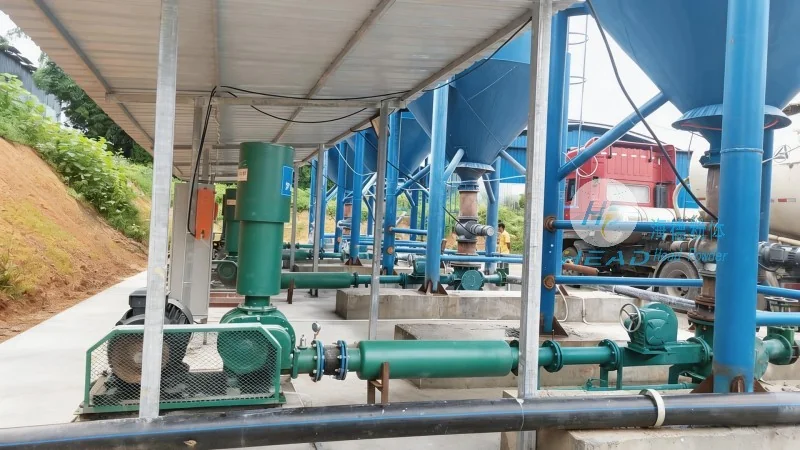
1. Belt Conveyors: The Workhorse of Material Handling
Belt conveyors are among the most widely used equipment for aggregate conveying due to their versatility, durability, and ability to handle large volumes of material over long distances. These systems consist of a continuous loop of belt that moves over rollers or pulleys, transporting aggregate from the loading point to the discharge point. The design of belt conveyors can be customized to suit different applications, including horizontal, inclined, or combination configurations. For instance, a horizontal belt conveyor is ideal for moving aggregate from a stockpile to a processing plant, while an inclined version can transport material vertically or at an angle. The key components of a belt conveyor system include the drive motor, pulleys, idlers, and the belt itself, which is typically made of rubber or synthetic materials to withstand the abrasive nature of aggregate. Belt conveyors are particularly effective for transporting dry or slightly wet aggregate, as they can handle a wide range of particle sizes without causing excessive wear. HeadPowder Engineering Co., Ltd., a leading provider of material handling solutions, offers high-quality belt conveyor systems tailored to the specific needs of aggregate producers and processors. Their expertise in conveyor design ensures that clients receive equipment that maximizes efficiency and minimizes downtime. With a focus on durability and performance, HeadPowder's belt conveyors are built to withstand the demanding conditions of aggregate handling, providing reliable service for years to come.
2. Screw Conveyors: Compact and Versatile Transport Solutions
Screw conveyors, also known as auger conveyors, are another common method for transporting aggregate, especially in applications where space is limited or where the material needs to be moved in a vertical or inclined direction. These systems utilize a rotating screw (auger) that pushes material forward along a trough or tube. The screw conveyor's design allows for the efficient movement of dry or slightly moist aggregate, making it suitable for a variety of industries, including construction, mining, and food processing. The key advantage of screw conveyors is their compact size and ability to handle material in a closed system, which helps to contain dust and prevent contamination. Screw conveyors can be installed horizontally, vertically, or at an angle, providing flexibility in material handling layouts. The speed and direction of the screw can be adjusted to control the flow rate of aggregate, ensuring precise delivery to the next stage of processing. HeadPowder Engineering Co., Ltd. specializes in the design and manufacturing of screw conveyors that meet the stringent requirements of aggregate handling. Their screw conveyors are engineered to handle abrasive materials without compromising performance, and they are available in various sizes and configurations to suit different production capacities. By choosing HeadPowder's screw conveyor solutions, clients can enhance their material handling efficiency while maintaining the quality of their aggregate products.
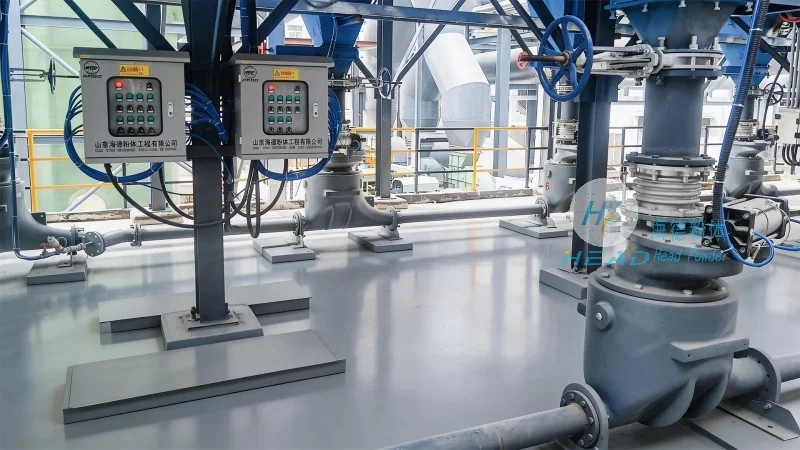
3. Bucket Elevators: Vertical Transport with High Capacity
Bucket elevators are a specialized type of conveyor system designed for vertical or steeply inclined transport of aggregate. These systems consist of a continuous chain with buckets attached, which travel along a vertical or inclined track. As the buckets move, they scoop up aggregate from the loading point and discharge it at the top or end of the elevator. Bucket elevators are particularly effective for transporting large volumes of material over significant vertical heights, making them ideal for applications such as feeding crushers, stockpiling, or transporting aggregate from a lower to a higher level in a processing plant. The key advantage of bucket elevators is their high capacity and ability to handle abrasive materials without excessive wear. The buckets are typically made of durable materials like steel or rubber, which can withstand the impact and abrasion of aggregate particles. Bucket elevators are also designed to minimize material spillage and dust generation, ensuring a clean and efficient operation. HeadPowder Engineering Co., Ltd. offers advanced bucket elevator systems that combine high performance with low maintenance requirements. Their expertise in elevator design ensures that clients receive equipment that is reliable and efficient, even under heavy load conditions. By implementing a bucket elevator from HeadPowder, aggregate producers can improve their vertical material handling capabilities and streamline their production processes.
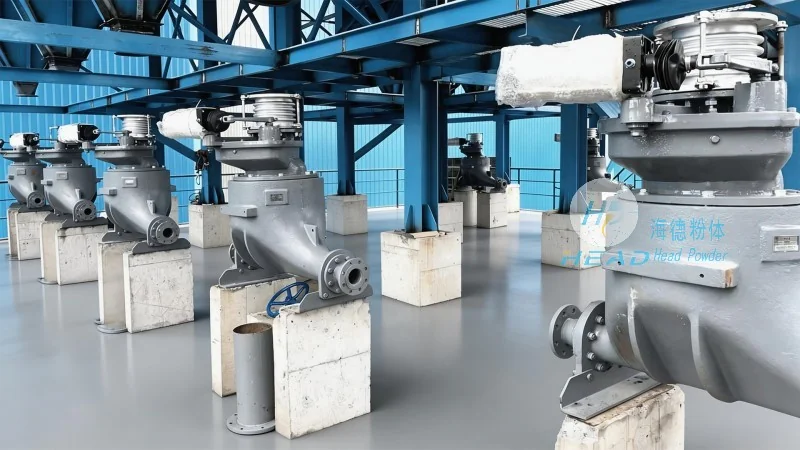
4. Pneumatic Conveying Systems: Flexible and Dust-Free Transport
Pneumatic conveying systems use air or gas to transport aggregate through a pipeline, offering a flexible and dust-free method of material handling. These systems are particularly suitable for applications where the material needs to be moved over long distances or through complex layouts, such as in large-scale construction sites or industrial plants. Pneumatic conveyors can be classified into two main types: pressure and vacuum systems. Pressure systems use compressed air to push the aggregate through the pipeline, while vacuum systems use suction to draw the material into the system. The choice between pressure and vacuum depends on the distance, elevation, and material characteristics. Pneumatic conveying is ideal for transporting dry or slightly moist aggregate, as it can handle fine particles and prevent dust contamination. The key advantage of pneumatic systems is their ability to transport material in a closed system, which helps to maintain material quality and prevent environmental issues. However, pneumatic conveying may require higher energy input compared to other methods, and the system must be designed to handle the pressure and flow requirements of the material. HeadPowder Engineering Co., Ltd. provides comprehensive pneumatic conveying solutions that are tailored to the specific needs of aggregate handling. Their systems are engineered to deliver high efficiency and reliability, even in challenging operating conditions. By leveraging HeadPowder's pneumatic conveying technology, clients can achieve flexible and dust-free transport of aggregate, enhancing their overall material handling capabilities.
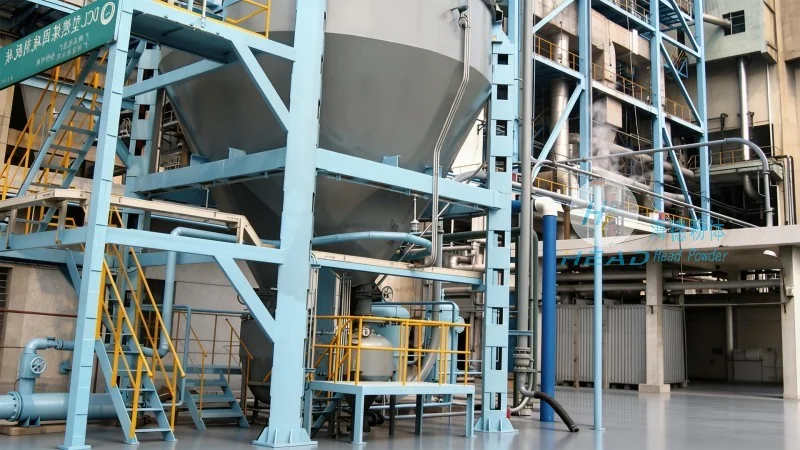
5. Hydraulic Conveyors: Heavy-Duty and High-Pressure Transport
Hydraulic conveyors are a specialized method for transporting aggregate in high-pressure and heavy-duty applications, such as in mining or large-scale construction projects. These systems use hydraulic power to move material through a pipeline or trough, providing high force and control over the material flow. Hydraulic conveyors are particularly effective for handling abrasive and high-density aggregate, as they can withstand the pressure and impact of the material. The key components of a hydraulic conveyor system include hydraulic pumps, cylinders, and a conveying pipeline. The system operates by using hydraulic fluid to drive the conveyor mechanism, which moves the aggregate along the path. Hydraulic conveyors are designed to handle large volumes of material at high speeds, making them suitable for applications where rapid material transport is required. However, the maintenance of hydraulic systems can be more complex compared to other conveyor types, and they require regular inspection to ensure optimal performance. HeadPowder Engineering Co., Ltd. specializes in the design and implementation of hydraulic conveyor systems that meet the demanding requirements of heavy-duty aggregate handling. Their expertise in hydraulic engineering ensures that clients receive equipment that is reliable, efficient, and capable of withstanding the toughest operating conditions. By choosing HeadPowder's hydraulic conveyor solutions, clients can enhance their material handling capabilities and improve the productivity of their operations.
6. Vibrating Conveyors: Efficient and Low-Pressure Transport
Vibrating conveyors are another common method for transporting aggregate, especially in applications where gentle handling of the material is required. These systems use vibration to move aggregate along a trough or pipeline, providing a smooth and consistent flow. Vibrating conveyors are particularly effective for handling delicate or abrasive materials, as they minimize impact and abrasion compared to other conveyor types. The key advantage of vibrating conveyors is their ability to handle a wide range of particle sizes and shapes without causing excessive wear. The system consists of a conveyor bed that is vibrated by an electric motor or other power source, which causes the material to move forward. Vibrating conveyors can be installed horizontally, inclined, or vertically, providing flexibility in material handling layouts. The speed and amplitude of the vibration can be adjusted to control the flow rate of aggregate, ensuring precise delivery to the next stage of processing. HeadPowder Engineering Co., Ltd. offers high-quality vibrating conveyor systems that are designed to handle the specific needs of aggregate producers. Their expertise in conveyor design ensures that clients receive equipment that maximizes efficiency and minimizes downtime. By implementing a vibrating conveyor from HeadPowder, clients can achieve efficient and low-pressure transport of aggregate, enhancing their overall material handling capabilities.




