

Common Methods for Silica Fume Conveying
When it comes to the efficient handling and transportation of silica fume, selecting the right conveying method is crucial for ensuring process reliability, safety, and cost-effectiveness. Silica fume, also known as microsilica, is a byproduct of silicon metal production, widely used in concrete, mortar, and other construction materials due to its high surface area and pozzolanic properties. The choice of conveying method depends on factors such as material characteristics, plant layout, environmental regulations, and operational requirements. This article explores the common methods for silica fume conveying, highlighting their applications, advantages, and considerations.
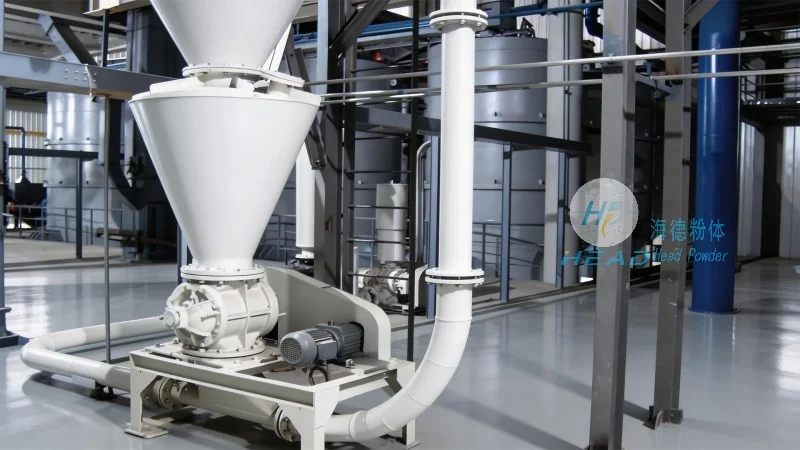
1. Air-Pneumatic Conveying Systems
Air-pneumatic conveying, or pneumatic conveying, is one of the most popular methods for transporting silica fume due to its ability to handle fine powders over long distances with minimal equipment. This method uses compressed air to move the material through a pipeline system. There are two main types of pneumatic conveying: pressure and vacuum systems. Pressure systems use positive pressure to push the material forward, while vacuum systems use negative pressure to pull it. For silica fume, which is typically a fine powder with a particle size ranging from 0.1 to 1 micron, pressure systems are often preferred as they can handle high volumes and provide consistent flow. The key components of a pneumatic conveying system include a hopper, feeder, air compressor, and pipeline. The hopper stores the silica fume, and the feeder controls the flow rate. The air compressor generates the necessary pressure to move the material. The pipeline transports the material from the source to the destination, such as a silo or storage tank. One of the main advantages of pneumatic conveying is its ability to transport silica fume without the need for mechanical components like belts or screws, reducing wear and maintenance. However, it requires a reliable air supply and proper sealing to prevent dust leakage. Additionally, the system's efficiency can be affected by the moisture content of the silica fume, as high moisture can cause caking and blockages. Shandong HeadPowder Engineering Co., Ltd., a leading manufacturer in the field, specializes in designing and supplying high-quality pneumatic conveying systems tailored to the specific needs of silica fume handling. Their expertise ensures that the systems are optimized for performance, safety, and durability, meeting the stringent requirements of industrial applications.
2. Screw Conveyors
Screw conveyors, also known as auger conveyors, are another common method for transporting silica fume, especially in applications where the material needs to be moved vertically or over short to medium distances. This method uses a rotating screw inside a trough to move the material forward. The screw is typically made of stainless steel or other corrosion-resistant materials to handle the abrasive nature of silica fume. The trough is usually made of metal or plastic, with a smooth interior to minimize friction and material buildup. Screw conveyors are simple in design, requiring minimal maintenance, and can handle a wide range of material sizes and moisture contents. They are particularly suitable for transporting silica fume from a storage silo to a mixer or other processing equipment. The speed of the screw and the pitch of the screw blades can be adjusted to control the flow rate and prevent material clogging. One of the main advantages of screw conveyors is their ability to handle both dry and slightly moist silica fume, making them versatile for various applications. However, they are not suitable for very fine powders, as the small particles can accumulate on the screw and cause blockages. Additionally, the system may generate dust during operation, requiring proper dust collection and ventilation. Shandong HeadPowder Engineering Co., Ltd. offers a range of screw conveyor solutions designed for silica fume handling, ensuring efficient and reliable material transport while maintaining safety standards.
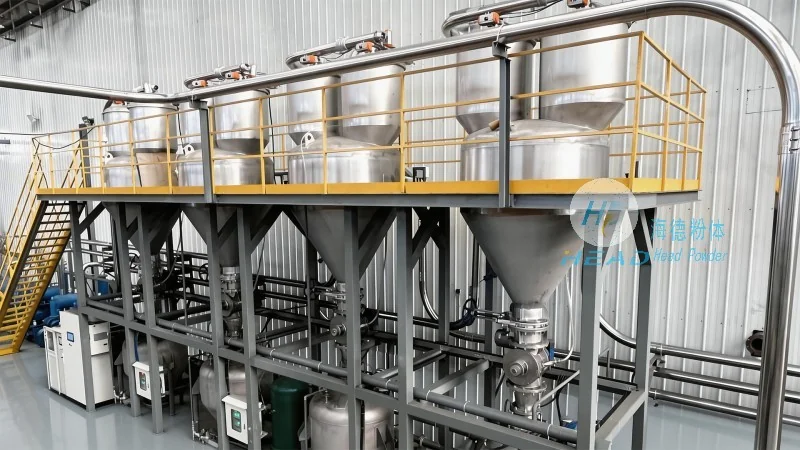
3. Belt Conveyors
Belt conveyors are widely used in the transportation of bulk materials, including silica fume, due to their high capacity and ability to cover long distances. This method uses a continuous belt that moves over rollers or pulleys to transport the material. The belt is typically made of rubber or other durable materials, and the rollers are designed to minimize friction and wear. Belt conveyors are suitable for transporting silica fume from a storage area to a processing plant or for moving it between different stages of production. They can handle large volumes of material and are relatively easy to install and maintain. The key components of a belt conveyor system include the belt, idlers, pulleys, and drive system. The idlers support the belt and keep it in position, while the pulleys guide the belt and provide the necessary tension. The drive system, usually a motor and gearbox, moves the belt at a consistent speed. One of the main advantages of belt conveyors is their ability to transport silica fume over long distances with minimal energy consumption. They are also suitable for handling materials with different characteristics, such as varying moisture content or particle size. However, belt conveyors require regular maintenance to ensure the belt remains in good condition and to prevent dust leakage. The system may also be affected by the material's tendency to stick to the belt, especially if it is moist or has high surface area. Shandong HeadPowder Engineering Co., Ltd. provides customized belt conveyor solutions for silica fume handling, ensuring efficient and safe material transport while adhering to industry standards.
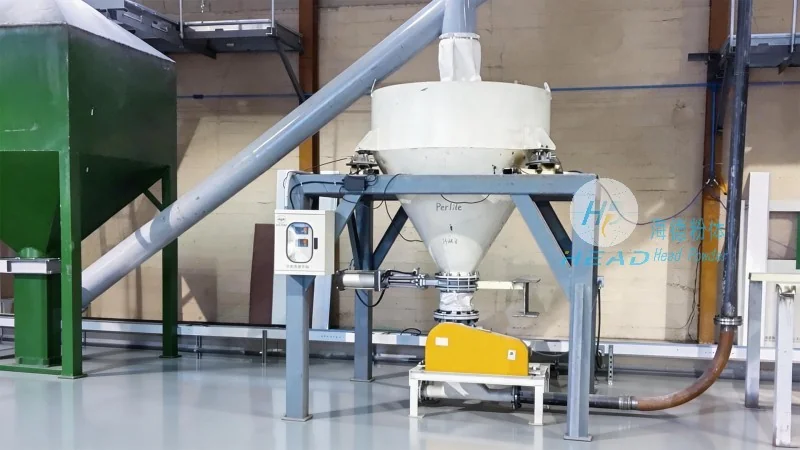
4. Bucket Elevators
Bucket elevators are an effective method for vertically transporting silica fume, especially in applications where the material needs to be moved from a lower level to a higher level, such as from a storage silo to a processing plant. This method uses a continuous chain with buckets attached to it, which moves the material up a vertical or inclined shaft. The buckets are designed to scoop up the silica fume and transport it to the top of the elevator, where it is discharged. Bucket elevators are suitable for handling fine powders and can transport large volumes of material at high speeds. The key components of a bucket elevator system include the buckets, chain, drive motor, and housing. The buckets are typically made of metal or plastic, with a design that minimizes material spillage and clogging. The chain is made of durable materials to handle the weight and friction of the buckets. The drive motor provides the necessary power to move the chain and buckets. One of the main advantages of bucket elevators is their ability to transport silica fume vertically without the need for additional equipment, such as pumps or compressors. They are also relatively compact and can be installed in tight spaces. However, bucket elevators require regular maintenance to ensure the chain and buckets remain in good condition and to prevent material buildup. The system may also generate noise and vibration, which can affect the working environment. Shandong HeadPowder Engineering Co., Ltd. specializes in designing and manufacturing bucket elevators for silica fume handling, ensuring efficient vertical transport while maintaining safety and reliability.
5. Hydraulic Conveying
Hydraulic conveying, also known as slurry transport, is a method that uses water to transport silica fume as a slurry. This method is particularly suitable for handling very fine powders that are difficult to convey using other methods. The silica fume is mixed with water to form a slurry, which is then pumped through a pipeline system. The slurry is typically transported at a high velocity to prevent clogging and maintain flow. The key components of a hydraulic conveying system include a mixer, pump, pipeline, and storage tank. The mixer blends the silica fume with water to form the slurry, and the pump transports the slurry through the pipeline. The storage tank is used to hold the slurry before it is pumped to the destination. One of the main advantages of hydraulic conveying is its ability to handle very fine silica fume particles, as the water helps to keep the particles suspended and prevent blockages. It is also suitable for long-distance transport, as the slurry can be pumped over large distances without significant loss of material. However, hydraulic conveying requires a large amount of water, which increases the cost and may require additional treatment to remove the silica fume from the water before disposal. The system also needs to be designed to handle the high pressure and potential for corrosion, as the slurry can be abrasive. Shandong HeadPowder Engineering Co., Ltd. offers hydraulic conveying solutions for silica fume handling, ensuring efficient and cost-effective transport while minimizing environmental impact.