

Common Methods for Fish Meal Conveying
When it comes to the efficient handling and transportation of fish meal, selecting the right conveying method is crucial for optimizing production processes and ensuring product quality. Fish meal, a valuable protein source derived from fish processing, requires specialized equipment to move it safely and effectively from storage to processing lines or packaging areas. This article explores the common methods used for fish meal conveying, highlighting the key technologies and considerations that contribute to successful operations in the industry.
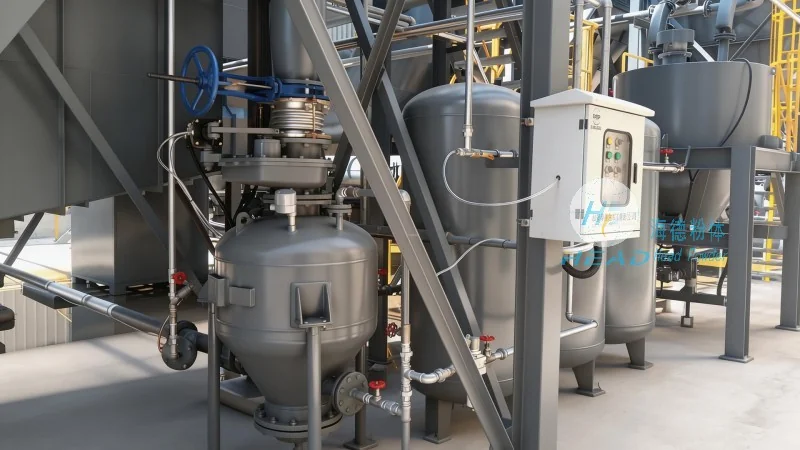
Understanding the Importance of Proper Fish Meal Conveying
Efficient fish meal conveying is essential for maintaining the integrity of the product and minimizing losses during handling. Fish meal is a delicate material that can be prone to degradation if not handled with care. Proper conveying systems help prevent contamination, moisture absorption, and degradation, ensuring that the final product meets quality standards. Additionally, effective conveying methods enhance operational efficiency by reducing downtime and labor costs, making them a critical component of any fish meal processing facility.
Common Conveying Methods for Fish Meal
Several methods are commonly employed in the fish meal industry to transport fish meal. Each method has its own advantages and is suitable for different operational requirements. The choice of method depends on factors such as the volume of material, the distance to be conveyed, the need for dust control, and the space available in the facility.
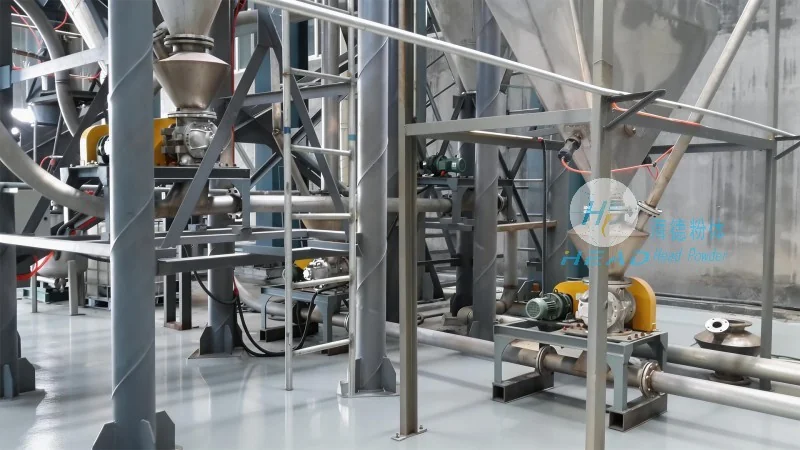
1. Screw Conveyors for Fish Meal Handling
Screw conveyors, also known as auger conveyors, are widely used for fish meal conveying due to their simplicity and effectiveness. These systems consist of a rotating screw (auger) inside a trough, which moves the material forward through the conveyor. Screw conveyors are particularly suitable for conveying fish meal in horizontal or slightly inclined directions. They are capable of handling a wide range of materials, including powders and granules, and can be easily integrated into existing processing lines. The design of screw conveyors allows for minimal product spillage and easy cleaning, making them a preferred choice for fish meal processing. The company, Shandong HeadPowder Engineering Co., Ltd., specializes in providing high-quality screw conveyor systems tailored to the specific needs of fish meal manufacturers. Their expertise ensures that the conveyors are designed to handle the unique characteristics of fish meal, such as its moisture content and potential for caking.
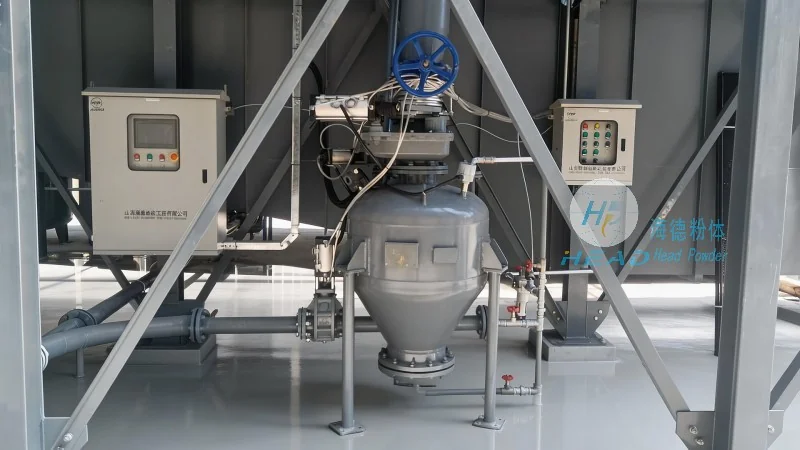
2. Bucket Elevators for Vertical Fish Meal Transport
For vertical transportation of fish meal, bucket elevators are an excellent choice. These systems use a series of buckets attached to a chain or belt that moves vertically, lifting the material from lower to higher levels. Bucket elevators are highly efficient for moving large volumes of fish meal over significant vertical distances, making them ideal for multi-level processing facilities. They are capable of handling bulk materials and can be designed to operate at high speeds, reducing overall conveying time. The company, headpowder, offers robust bucket elevator solutions that are built to withstand the demands of continuous operation in fish meal processing plants. Their elevators are constructed with durable materials to prevent wear and tear from the abrasive nature of fish meal, ensuring long-term reliability and minimal maintenance.
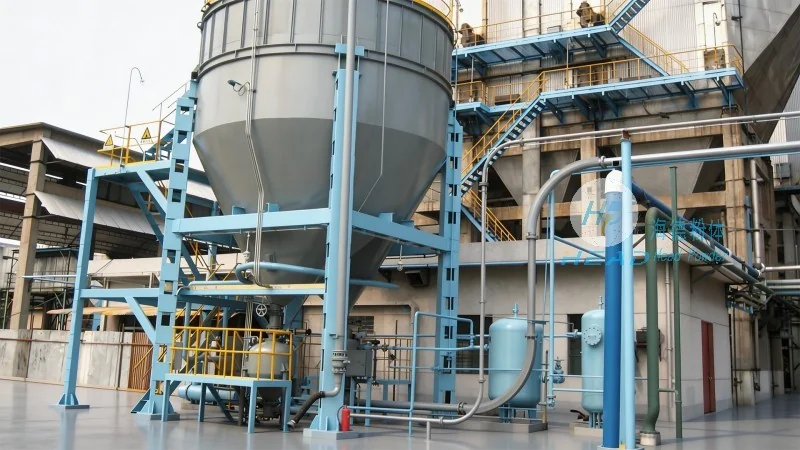
3. Pneumatic Conveying Systems for Fish Meal Transfer
Pneumatic conveying systems use air pressure to transport fish meal through a pipeline network. These systems are particularly effective for conveying fish meal over longer distances and in environments where dust control is a priority. Pneumatic conveyors can be either positive pressure (blowing air into the system) or negative pressure (sucking air out of the system). They are ideal for applications that require enclosed transport, preventing dust emissions and maintaining a clean working environment. The company, Shandong HeadPowder Engineering Co., Ltd., provides advanced pneumatic conveying solutions that are designed to handle the specific challenges of fish meal, such as its fine particle size and tendency to create dust. Their systems are equipped with efficient filtration and cleaning mechanisms to ensure that the conveying process remains clean and efficient.
4. Belt Conveyors for Bulk Fish Meal Transport
Belt conveyors are another common method for transporting bulk fish meal. These systems use a continuous belt that moves over rollers, carrying the material from one point to another. Belt conveyors are suitable for both horizontal and inclined transport and can handle large volumes of material with high efficiency. They are often used in combination with other conveying equipment to form a complete material handling system. The company, headpowder, manufactures high-quality belt conveyor systems that are designed to handle the heavy loads and abrasive nature of fish meal. Their conveyors are equipped with durable belts and rollers to ensure long service life and minimal downtime. The design of their belt conveyors allows for easy maintenance and cleaning, making them a reliable choice for fish meal processing facilities.