Camellia seed conveyance is a critical process in the oil extraction industry, ensuring efficient movement of raw materials from collection to processing stages. Various methods are employed to handle the unique characteristics of camellia seeds, such as their size, density, and moisture content. Understanding these common conveyance techniques is essential for optimizing production efficiency and maintaining product quality.
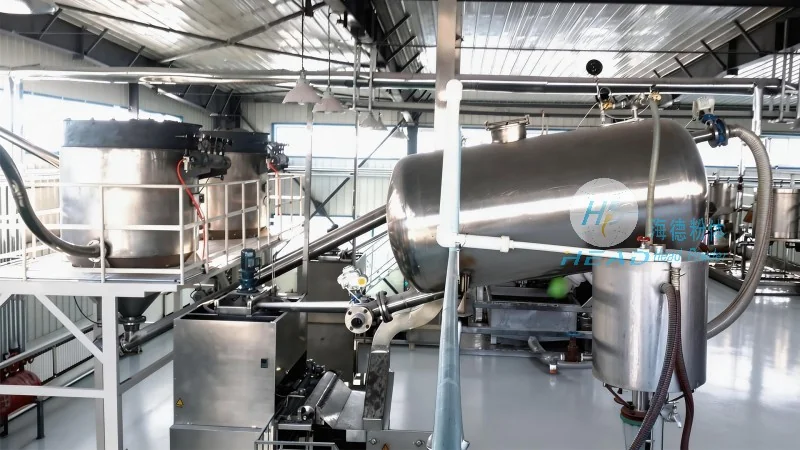
1. Mechanical Conveyance Systems
Mechanical conveyance systems are widely used for camellia seed transport due to their reliability and adaptability. These systems typically include belt conveyors, screw conveyors, and bucket elevators. Belt conveyors are particularly effective for transporting larger quantities of seeds over moderate distances, utilizing a continuous belt to move materials from one point to another. Screw conveyors, also known as augers, are ideal for vertical or inclined transport, as they can handle a variety of seed sizes and moisture levels without the need for additional power beyond the motor driving the screw. Bucket elevators, on the other hand, are designed for vertical lifting, using a series of buckets attached to a chain or belt to lift seeds from lower to higher levels. The choice of mechanical system depends on factors like the scale of operation, the layout of the processing facility, and the specific requirements of the seed handling process.
2. Gravity Conveyance Methods
Gravity conveyance leverages the natural force of gravity to move camellia seeds, reducing the need for mechanical power and energy consumption. This method is often employed in facilities where the processing layout allows for gentle slopes or inclines. Chute systems are a common example, where seeds flow through a sloped channel from a higher to a lower level. This approach is particularly suitable for seeds with a relatively uniform size and density, as irregularities can cause blockages or uneven flow. Another form of gravity conveyance involves the use of inclined conveyor belts or troughs, which guide seeds along a path without the need for active movement. While gravity systems are energy-efficient, they are limited by the topography of the facility and the need for a suitable slope to ensure smooth material flow.
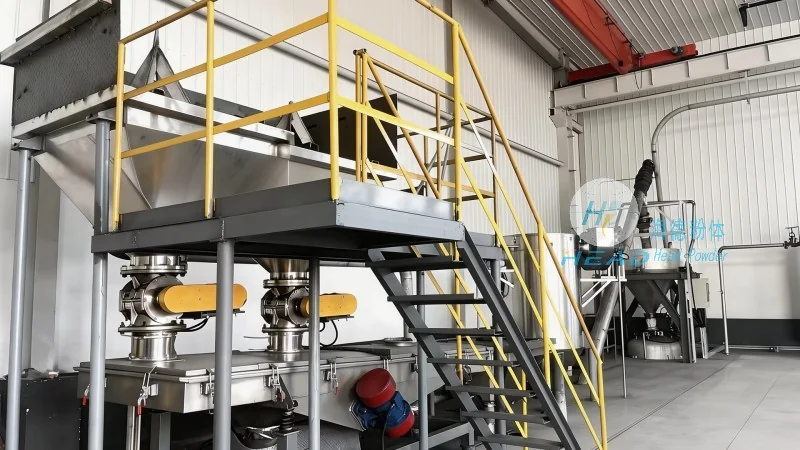
3. Pneumatic Conveyance Techniques
Pneumatic conveyance uses air pressure to transport camellia seeds, offering flexibility and the ability to move materials over longer distances or through complex layouts. This method involves creating a pressure differential by either blowing air (positive pressure) or creating a vacuum (negative pressure) to move seeds through a pipeline. The system typically consists of a hopper, a blower or vacuum pump, and a pipeline network. Pneumatic conveyance is particularly effective for handling fine or powdery seeds, as well as those that are prone to dust generation. It can also be used to transport seeds from multiple points to a central processing unit, making it ideal for large-scale operations. However, the cost of equipment and the need for proper maintenance are important considerations when implementing pneumatic systems.
4. Hybrid Conveyance Solutions
In many industrial settings, a combination of mechanical and pneumatic systems, or even gravity and mechanical systems, is used to achieve optimal conveyance. Hybrid solutions allow for the integration of different technologies to address specific challenges in seed handling. For example, a facility might use a belt conveyor to transport seeds from a storage area to a hopper, followed by a pneumatic system to move the seeds to the extraction machinery. This approach leverages the strengths of each method—mechanical systems for bulk handling and pneumatic systems for precise delivery. Hybrid conveyance can also include the use of gravity chutes in conjunction with mechanical elevators to manage vertical and horizontal movement efficiently. The key to successful hybrid systems is careful planning and integration to ensure smooth material flow and minimal downtime.
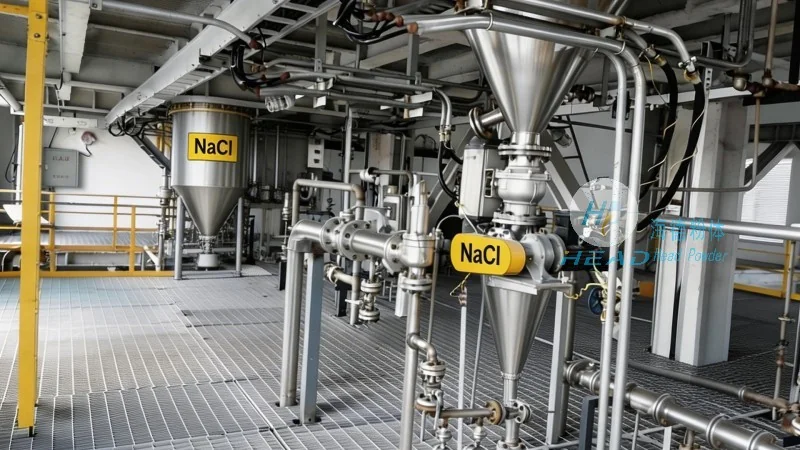
5. Factors Influencing Conveyance Method Selection
The choice of conveyance method for camellia seeds is influenced by several key factors, including the physical properties of the seeds, the scale of the operation, and the layout of the processing facility. Seed size and shape play a significant role, as larger or irregularly shaped seeds may require more robust mechanical systems to prevent damage or blockages. Moisture content is another critical factor, as high moisture levels can affect the flow characteristics of the seeds and increase the risk of clogging in certain systems. The scale of the operation, whether it is a small-scale farm or a large industrial processing plant, also impacts the choice of system, with larger operations often opting for more automated and energy-efficient solutions. Facility layout and available space are additional considerations, as some systems require more horizontal or vertical space than others. Ultimately, the goal is to select a conveyance method that maximizes efficiency, minimizes energy consumption, and ensures the quality of the camellia seeds throughout the transport process.
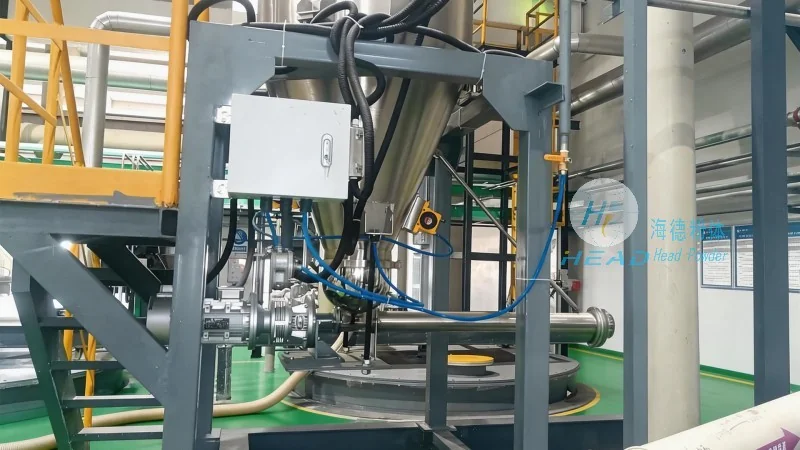
6. Maintenance and Operational Considerations
Proper maintenance and operational management are essential for ensuring the reliability and longevity of camellia seed conveyance systems. Regular inspection and cleaning of components, such as conveyor belts, screw augers, and pipeline systems, are necessary to prevent clogging and maintain optimal performance. For mechanical systems, lubrication and alignment checks are critical to reduce wear and tear and extend the lifespan of equipment. Pneumatic systems require attention to air filtration and pressure regulation to prevent dust accumulation and ensure consistent material flow. Operational protocols, such as monitoring flow rates and adjusting system parameters based on seed characteristics, can also improve system efficiency. By implementing a proactive maintenance schedule and adhering to best practices, facilities can minimize downtime and maximize the productivity of their conveyance systems.
7. Conclusion
Camellia seed conveyance is a multifaceted process that requires careful consideration of various factors to ensure efficient and reliable transport. Mechanical, gravity, and pneumatic systems each offer unique advantages and are suitable for different operational contexts. The optimal choice depends on the specific needs of the facility, including seed characteristics, scale of operation, and facility layout. By understanding the strengths and limitations of each method and selecting the appropriate system, processors can enhance productivity, reduce energy costs, and maintain the quality of their camellia seeds. As the oil extraction industry continues to evolve, the development of advanced conveyance technologies will further improve the efficiency and sustainability of seed handling processes.




