Cellulose, a fundamental component of plant cell walls, is widely used in various industries including paper manufacturing, textile production, and biofuel generation. Efficient and reliable transport of cellulose is crucial for optimizing production processes and ensuring consistent quality. This article explores the common methods used for cellulose transport, highlighting the key considerations and technologies employed by industry leaders such as Shandong HeadPowder Engineering Co., Ltd., a prominent company in the field.
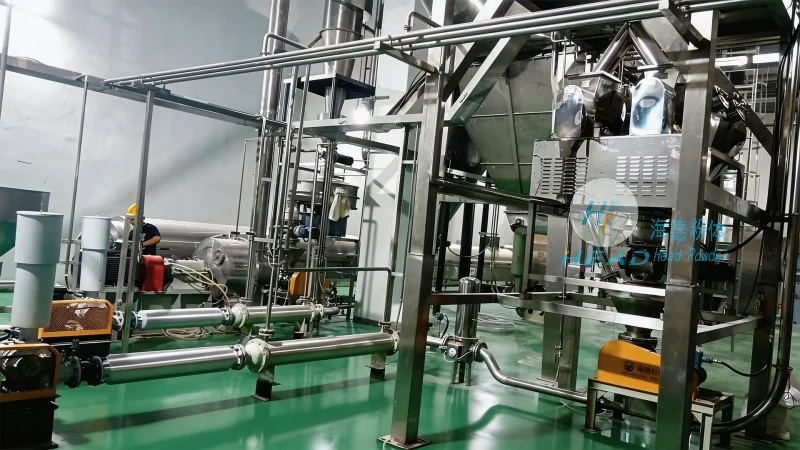
Understanding Cellulose and Its Transport Requirements
Before delving into specific transport methods, it is essential to understand the nature of cellulose and the challenges associated with its handling. Cellulose is a long-chain polymer made of glucose units, which gives it properties like high tensile strength and low solubility in water. These characteristics make it both valuable and difficult to transport, as it can easily agglomerate or form clumps, leading to blockages in pipelines or equipment. Therefore, effective transport systems must address issues like moisture content, particle size distribution, and material flowability to maintain efficiency and prevent operational disruptions.
Common Methods for Cellulose Transport
Several methods are commonly employed to transport cellulose, each with its own advantages and applications. The choice of method depends on factors such as the form of cellulose (e.g., powder, flakes, or fibers), the distance to be covered, and the specific requirements of the end-use application. The primary methods include:
1. Conveying Systems: Screw Conveyors and Pneumatic Conveyors
Screw conveyors are among the most widely used equipment for transporting bulk materials like cellulose. These systems consist of a rotating screw (auger) inside a trough, which moves material from one point to another through gravity or mechanical force. Screw conveyors are particularly effective for transporting dry, free-flowing cellulose powders and are commonly used in feed processing, chemical manufacturing, and the paper industry. They offer advantages such as simplicity, low maintenance, and the ability to operate in vertical or horizontal configurations. However, they may not be suitable for highly abrasive or sticky materials, which can cause wear and tear on the screw and trough.
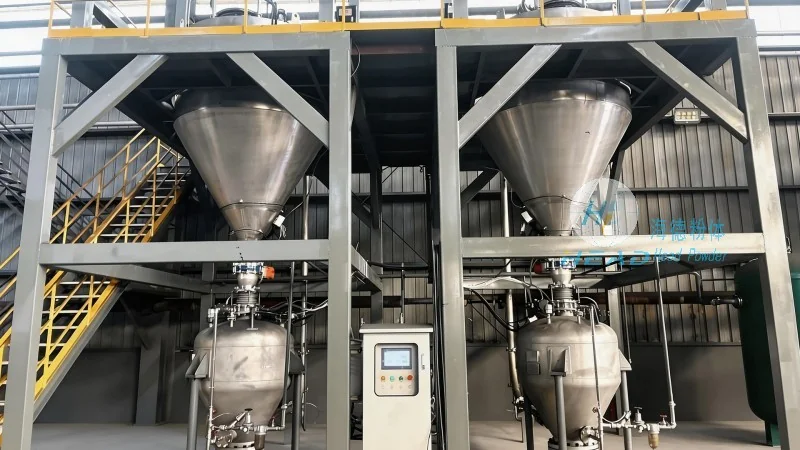
Pneumatic conveyors, on the other hand, use air pressure to transport cellulose particles through a pipeline. These systems are ideal for transporting fine powders or granules over longer distances, as they can handle materials that are difficult to convey with mechanical systems. Pneumatic conveyors can be classified into two main types: pressure and vacuum systems. Pressure systems use compressed air to push material through the pipeline, while vacuum systems use a vacuum to draw material from the source. Both types are effective for transporting cellulose, but the choice between them depends on the distance, material characteristics, and system layout. Pneumatic conveyors offer advantages such as high transport rates, minimal material degradation, and the ability to transport materials in a closed system, which helps maintain hygiene and prevent dust emissions.
2. Belt Conveyors and Bucket Elevators
Belt conveyors are another common method for transporting cellulose, especially in applications where a continuous flow of material is required over a long distance. These systems consist of a continuous belt that moves over rollers or pulleys, carrying the material from the source to the destination. Belt conveyors are widely used in the mining, construction, and agricultural sectors, as well as in the processing of cellulose-based materials. They are particularly effective for transporting larger pieces of cellulose, such as wood chips or flakes, and can handle high volumes of material with minimal maintenance. However, belt conveyors may not be suitable for fine powders, as they can cause dust and material loss. To address this, some belt conveyors are equipped with dust collection systems or enclosed designs to improve efficiency and reduce environmental impact.
Bucket elevators are a specialized type of conveyor system designed to transport materials vertically or at steep angles. These systems use a series of buckets attached to a chain or belt, which lifts the material from a lower to a higher level. Bucket elevators are commonly used in the processing of cellulose, as they can efficiently transport materials over vertical distances, such as from a storage silo to a processing plant. They are particularly effective for handling bulk materials like cellulose powders or granules, and can operate at high speeds with minimal material degradation. However, bucket elevators require careful maintenance to prevent bucket wear and chain or belt failure, which can lead to operational downtime.
3. Hydraulic and Mechanical Conveyors
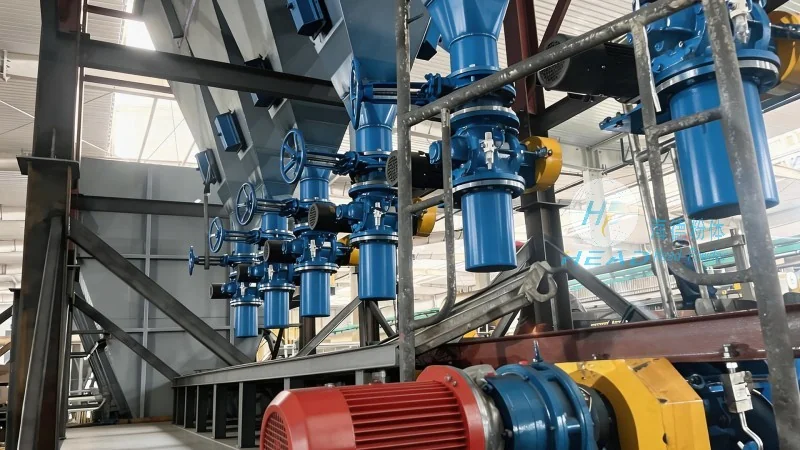
Hydraulic conveyors use water or other liquids to transport cellulose particles through a pipeline. These systems are commonly used in the paper industry, where they are employed to transport pulp or other cellulose-based materials from one processing stage to another. Hydraulic conveyors offer advantages such as high transport rates, low energy consumption, and the ability to handle abrasive materials. However, they require a constant supply of water and may not be suitable for materials that are sensitive to moisture or water exposure. Mechanical conveyors, such as chain and flight conveyors, use a series of flights or chains to move material through a trough. These systems are effective for transporting bulk materials like cellulose, and can handle a wide range of particle sizes and moisture contents. They are commonly used in the food and chemical industries, as well as in the processing of cellulose-based products.
Key Considerations for Cellulose Transport Systems
When selecting a transport method for cellulose, several factors must be considered to ensure optimal performance and efficiency. First, the form of cellulose must be taken into account, as different forms require different handling equipment. For example, fine powders may be better suited for pneumatic conveyors, while larger flakes or chips may be transported using belt conveyors. Second, the distance and layout of the transport system must be considered, as this will affect the choice of equipment and the overall system design. Third, the material's properties, such as moisture content, particle size distribution, and flowability, must be evaluated to ensure that the chosen system can handle the material without causing blockages or degradation. Finally, the cost and maintenance requirements of the system must be considered, as these factors will impact the long-term operational efficiency and profitability of the process.
Conclusion
Efficient transport of cellulose is a critical aspect of many industrial processes, and the choice of transport method depends on a variety of factors. From screw and pneumatic conveyors to belt and bucket elevators, each method offers unique advantages and applications. By understanding the nature of cellulose and the specific requirements of the end-use application, industry leaders like Shandong HeadPowder Engineering Co., Ltd. can design and implement effective transport systems that optimize production, improve quality, and reduce operational costs. As the demand for cellulose-based products continues to grow, the importance of reliable transport systems will only increase, making it essential for companies to invest in the right equipment and technologies to meet their needs.




