

Operation Process and Working Principle of Wood Dust Powder Pneumatic Conveying Equipment
Shandong HeadPowder Engineering Co., Ltd., a professional manufacturer based in Shandong, China, specializes in the design, development, and production of advanced pneumatic conveying systems tailored for wood dust and other fine powder materials. Our equipment is engineered to meet the demanding requirements of various industrial applications, ensuring efficient, reliable, and safe material handling solutions.
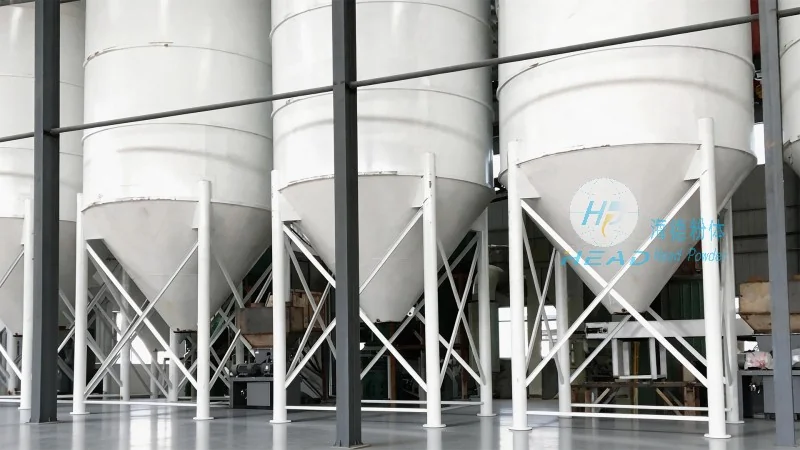
Overview of Wood Dust Powder Pneumatic Conveying Equipment
Wood dust, as a fine powder, poses unique challenges in material handling due to its light weight, tendency to agglomerate, and potential for dust explosion risks. Traditional methods like bucket elevators or belt conveyors may not be suitable for such delicate materials. Pneumatic conveying systems offer a superior alternative by utilizing air as the conveying medium, allowing for gentle, dust-free, and continuous transport of wood dust from source to destination. This technology is widely adopted in woodworking, sawmills, and biomass processing industries to enhance operational efficiency and maintain environmental compliance.
Key Components of the Pneumatic Conveying System
The wood dust powder pneumatic conveying equipment typically consists of several core components that work in tandem to achieve effective material transport. These include:
- Feeder: The feeder is responsible for feeding the wood dust into the conveying line at a controlled rate. It ensures a consistent flow of material, preventing blockages and maintaining system stability.
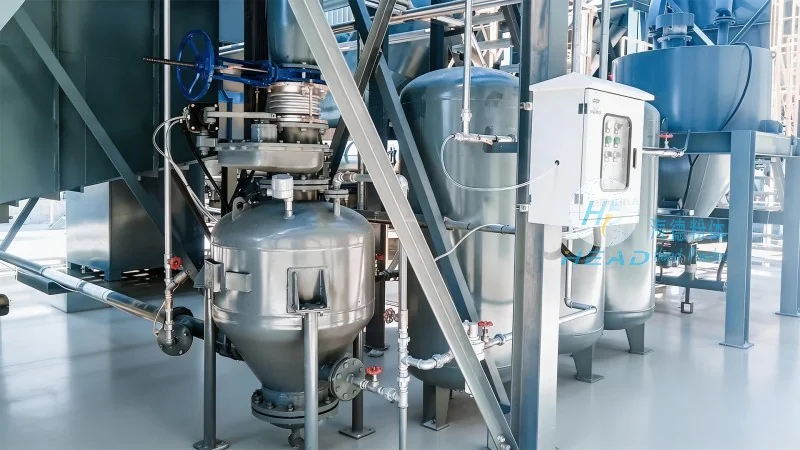
- Pneumatic Conveying Unit: This is the heart of the system, which can be either an aspiration unit (for suction-based conveying) or a pressure unit (for pressure-based conveying). The unit generates the necessary air flow to transport the dust particles through the pipeline.
- Pipeline System: A network of pipes connects the feeder to the discharge point. The design of the pipeline, including bends, expansions, and filters, is critical to minimize pressure loss and prevent material deposition.
- Receiver: The receiver is where the wood dust is deposited after being conveyed. It is equipped with a dust filter to capture any residual particles and ensure clean air discharge.
- Control System: An automated control system monitors and regulates the operation of the entire conveying process, adjusting air pressure, flow rate, and feeding speed as needed to optimize performance and prevent system failures.
Operation Process of the Wood Dust Powder Pneumatic Conveying Equipment
The operation of the wood dust powder pneumatic conveying system follows a systematic process, starting from the initial feeding stage to the final discharge. Here is a step-by-step breakdown of the typical operation:
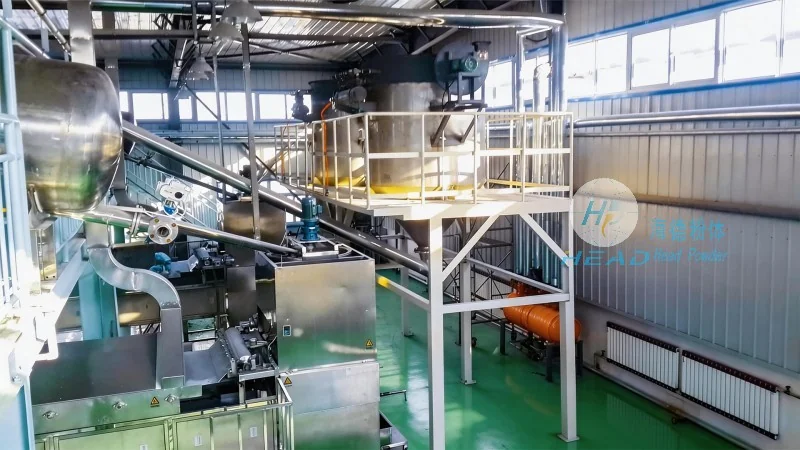
- Material Loading: Wood dust is loaded into the hopper of the feeder. The feeder then gradually releases the material into the conveying line at a pre-set rate, ensuring a steady flow.
- Air Generation: The pneumatic conveying unit (either suction or pressure type) generates a high-velocity air stream. In suction systems, the unit creates a negative pressure to draw the dust particles into the pipeline; in pressure systems, it supplies compressed air to push the material forward.
- Conveying Through Pipeline: The wood dust particles are entrained by the air stream and carried through the pipeline. The pipeline design, including appropriate bends and expansions, minimizes pressure drop and prevents material accumulation or blockages.
- Filtering and Cleaning: As the air-dust mixture reaches the receiver, it passes through a high-efficiency filter. The filter captures the fine dust particles, allowing clean air to be discharged back into the environment or recirculated if required.
- Material Discharge: The filtered dust is collected in the receiver's hopper. The receiver can be equipped with a discharge valve or conveyor to transfer the material to the final storage or processing location.
- System Monitoring: The control system continuously monitors key parameters such as air pressure, flow rate, and system pressure. It adjusts the operation in real-time to maintain optimal performance and prevent any issues like overloading or blockages.
Working Principle of the Pneumatic Conveying System
The working principle of the wood dust powder pneumatic conveying equipment is based on the fundamental physics of fluid dynamics and particle transport. The system operates by creating a pressure differential or using a high-velocity air stream to move the fine particles through the pipeline. There are two primary modes of operation:
Suction (Negative Pressure) Conveying
In suction conveying, the pneumatic unit creates a negative pressure (vacuum) at the discharge end of the pipeline. This pressure difference draws the wood dust particles from the source into the pipeline along with the air stream. The air flow carries the particles to the receiver, where the mixture is filtered and the dust is collected. This mode is particularly suitable for applications where the material needs to be moved from a higher elevation to a lower one or when the source is located at a distance from the receiver.
Pressure (Positive Pressure) Conveying
In pressure conveying, the pneumatic unit supplies compressed air to the pipeline, creating a positive pressure at the feeder end. The high-pressure air pushes the wood dust particles through the pipeline to the receiver. This mode is ideal for applications requiring the material to be transported from a lower elevation to a higher one or over longer distances. It also offers better control over the flow rate and can handle more abrasive or heavier materials.
Advantages of Using Wood Dust Powder Pneumatic Conveying Equipment
Implementing a pneumatic conveying system for wood dust offers several significant advantages over traditional material handling methods:
- Efficiency and Speed: The system provides continuous, high-volume material transport, reducing downtime and increasing overall production efficiency.
- Low Maintenance: With fewer moving parts compared to mechanical conveyors, the pneumatic system requires less maintenance and has a longer service life.
- Reduced Downtime: The absence of mechanical components like belts or chains minimizes the risk of breakdowns and reduces maintenance intervals.
- Environmental Benefits: The enclosed pipeline system prevents dust emissions, ensuring compliance with environmental regulations and improving workplace safety.
- Flexibility: The system can be easily reconfigured or expanded to accommodate changes in production volume or layout.
- Cost-Effective: Over time, the lower maintenance costs and higher efficiency of the pneumatic system result in significant cost savings compared to traditional conveyors.
Applications and Industries
The wood dust powder pneumatic conveying equipment is widely used in various industries that handle fine powder materials, including:
- Woodworking and Sawmills: For transporting sawdust, wood chips, and other fine wood particles from processing machines to storage or recycling facilities.
- Biomass Processing: In biomass power plants or biofuel production facilities, where wood dust is used as a fuel source and needs to be conveyed to the combustion chamber.
- Paper and Pulp Industry: For handling wood pulp and other fine fibers in the production of paper products.
- Food and Feed Processing: Although less common with wood dust, some applications involve transporting fine powders in food processing, where the system's gentle handling is beneficial.
- Pharmaceutical and Chemical Industries: For conveying fine powders that require a dust-free environment, ensuring product purity and safety.
Conclusion
Shandong HeadPowder Engineering Co., Ltd. provides high-quality wood dust powder pneumatic conveying equipment that combines advanced technology with robust design. By understanding the operation process and working principles of these systems, industries can achieve efficient, reliable, and safe material handling solutions. The company's commitment to innovation and customer satisfaction ensures that its products meet the evolving needs of modern industrial applications, contributing to enhanced productivity and environmental sustainability.