

Operation Process and Working Principle of Lithium Fluoride Powder Pneumatic Conveying Equipment
Lithium fluoride is a widely used chemical compound in various industrial applications, and the efficient handling of its powder form is crucial for maintaining production efficiency and safety. The pneumatic conveying equipment designed for lithium fluoride powder offers a reliable solution to transport this material from one location to another within industrial facilities. This article provides an in-depth look at the operation process and working principle of such equipment, highlighting the key components and mechanisms involved.
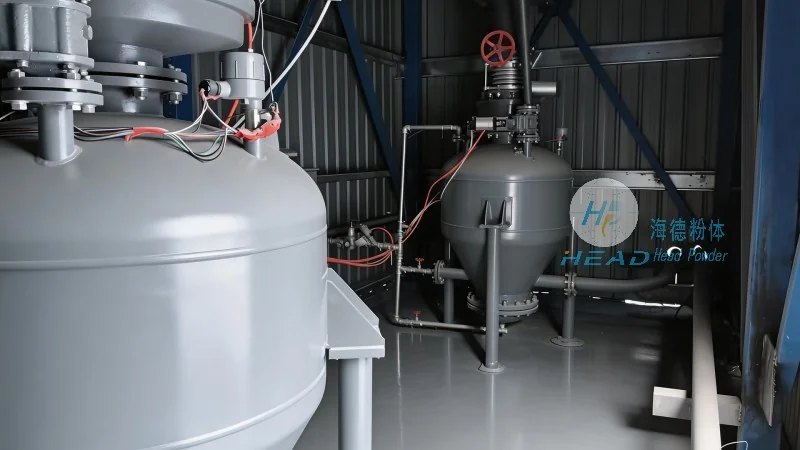
Overview of Lithium Fluoride Powder Pneumatic Conveying Equipment
The lithium fluoride powder pneumatic conveying system is engineered to handle fine powders like lithium fluoride, ensuring minimal dust generation and efficient material transport. The system typically consists of several core components, including a hopper for material storage, a rotary valve for controlled discharge, a conveying pipeline, a fan or blower to generate the air flow, and a receiver for the material at the destination. Each component plays a vital role in the overall operation, contributing to the smooth and safe transfer of lithium fluoride powder.
Key Components and Their Functions
1. Hopper and Rotary Valve: The hopper serves as the storage container for lithium fluoride powder, maintaining a consistent material level. The rotary valve is installed at the bottom of the hopper and acts as a controlled discharge device, regulating the flow rate of the powder into the conveying pipeline. This component prevents material from flowing out uncontrollably and ensures a steady feed to the system.
2. Conveying Pipeline: The pipeline is the main pathway for transporting the lithium fluoride powder. It is usually made of materials resistant to corrosion and abrasion, such as stainless steel or special plastic, to withstand the chemical properties of lithium fluoride and the abrasive nature of the powder. The pipeline is designed with appropriate bends and fittings to guide the material to the desired destination without causing blockages or excessive pressure drops.
3. Fan or Blower: The fan or blower is responsible for generating the air flow that propels the lithium fluoride powder through the pipeline. It creates a pressure differential, drawing the powder particles into the air stream. The selection of the fan or blower is critical, as it must provide sufficient airflow and pressure to overcome the resistance in the pipeline and maintain the material in suspension.
4. Receiver: The receiver is the terminal component of the conveying system, where the lithium fluoride powder is deposited at the destination. It is designed to collect the material efficiently and prevent dust from escaping back into the environment. The receiver may include a dust collection system or a venting mechanism to ensure proper air handling and compliance with environmental regulations.
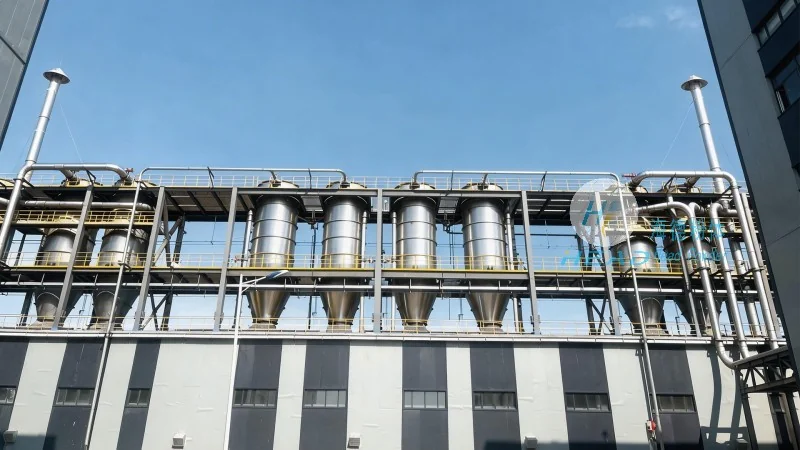
Operation Process of the Pneumatic Conveying System
The operation of the lithium fluoride powder pneumatic conveying equipment follows a systematic sequence of steps, ensuring the safe and efficient transfer of material. The process begins with the loading of lithium fluoride powder into the hopper. Once the hopper is filled, the rotary valve opens, allowing the powder to flow into the conveying pipeline under the influence of the air flow generated by the fan or blower.
As the powder enters the pipeline, it becomes suspended in the air stream, forming a dense phase or dilute phase flow depending on the system design. The fan or blower maintains a consistent airflow, keeping the powder particles in suspension and preventing them from settling or clogging the pipeline. The conveying pipeline guides the material to the receiver, where it is deposited in a controlled manner.
During the operation, the system continuously monitors the pressure and flow rates to ensure optimal performance. Any deviations in the flow rate or pressure are detected and adjusted by the control system, which may include variable speed drives for the fan or blower and sensors to measure the material level in the hopper and receiver. This feedback control mechanism ensures that the conveying process remains stable and efficient throughout the operation.
Working Principle of Pneumatic Conveying
The working principle of the lithium fluoride powder pneumatic conveying system is based on the principle of fluidization and suspension of solid particles in a gas stream. When the air flow from the fan or blower is introduced into the conveying pipeline, it creates a low-pressure zone that draws the lithium fluoride powder particles into the air stream. The powder particles are then carried along the pipeline by the air flow, maintaining a uniform distribution and preventing agglomeration or blockages.
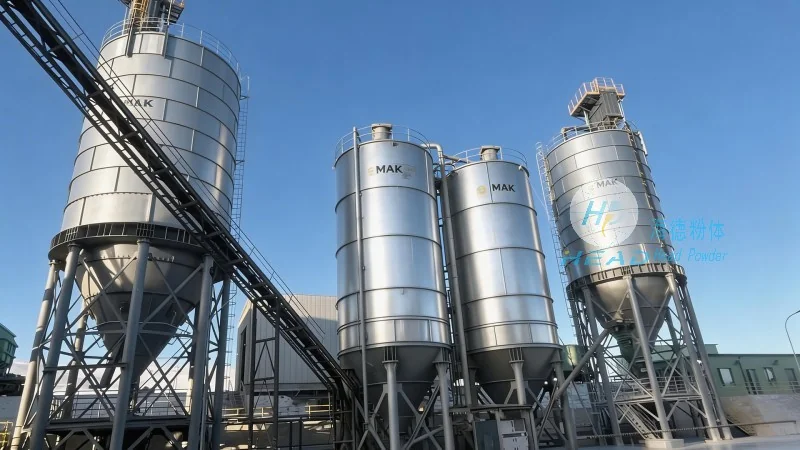
There are two main types of pneumatic conveying systems: dense phase and dilute phase. In a dense phase system, the powder is conveyed in a high concentration, with the air flow providing the necessary pressure to move the material. This type of system is suitable for transporting large quantities of powder over short distances and is often used in applications where minimal particle degradation is required. In a dilute phase system, the powder is conveyed in a low concentration, with the air flow providing the primary propulsion force. This type of system is suitable for longer distances and higher flow rates, but may require more energy to maintain the material in suspension.
The selection of the appropriate pneumatic conveying system depends on various factors, including the properties of the lithium fluoride powder (such as particle size, density, and moisture content), the distance between the source and destination, and the required flow rate. The dense phase system is generally preferred for lithium fluoride powder due to its ability to handle fine particles and minimize dust generation, which is crucial for maintaining a safe working environment.
Benefits and Applications of Lithium Fluoride Powder Pneumatic Conveying Equipment
The use of pneumatic conveying equipment for lithium fluoride powder offers several benefits, including improved safety, increased efficiency, and reduced maintenance costs. By eliminating the need for manual handling of the powder, the system minimizes the risk of dust exposure and potential health hazards associated with lithium fluoride. The automated operation also reduces labor costs and increases production throughput, making it an attractive solution for industrial applications.
Lithium fluoride is commonly used in the production of ceramics, glass, and pharmaceuticals, among other industries. The pneumatic conveying equipment is particularly suitable for these applications, as it can handle the fine powder form of lithium fluoride without causing degradation or contamination. The system is also versatile and can be integrated into existing production lines, allowing for seamless material transfer and process optimization.
Conclusion
In conclusion, the operation process and working principle of lithium fluoride powder pneumatic conveying equipment are designed to provide a reliable and efficient method for handling this important chemical compound. The system's components work in harmony to ensure the safe and controlled transport of lithium fluoride powder, minimizing dust generation and maximizing production efficiency. As a leading provider in this field, Shandong HeadPowder Engineering Co., Ltd. specializes in the design and manufacturing of such equipment, offering customized solutions to meet the specific needs of industrial clients.