

Working Principle and Features of Rapeseed Powder Pneumatic Conveying Equipment
HeadPowder, a leading manufacturer based in Shandong, China, specializes in the design and production of pneumatic conveying systems tailored for rapeseed powder. This article provides an in-depth look at the working principle and key features of such equipment, offering insights into its operational efficiency and practical applications.
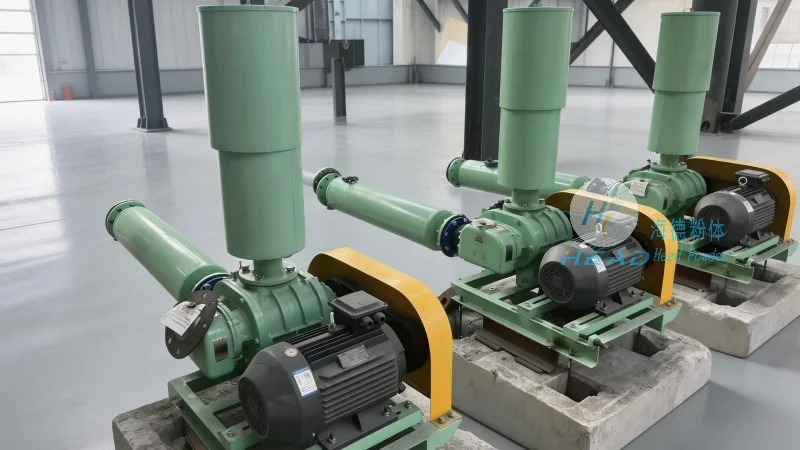
Working Principle of Rapeseed Powder Pneumatic Conveying Equipment
The core mechanism of rapeseed powder pneumatic conveying equipment revolves around the use of air as the primary medium to transport solid particles. The system typically operates under positive or negative pressure, depending on the specific application requirements. In a positive pressure system, compressed air is introduced into the conveying line, creating a pressure differential that propels the rapeseed powder from the source to the destination. Conversely, negative pressure systems draw air and material through the line using a vacuum source. The equipment includes components such as a hopper for material storage, a feeder to control the flow rate, a conveying line (often equipped with bends and filters), and a receiver for the delivered material. The process begins when the rapeseed powder is fed into the hopper, where it is then transported through the pipeline by the air flow. This method ensures a continuous and efficient transfer of the powder, minimizing material degradation and loss.
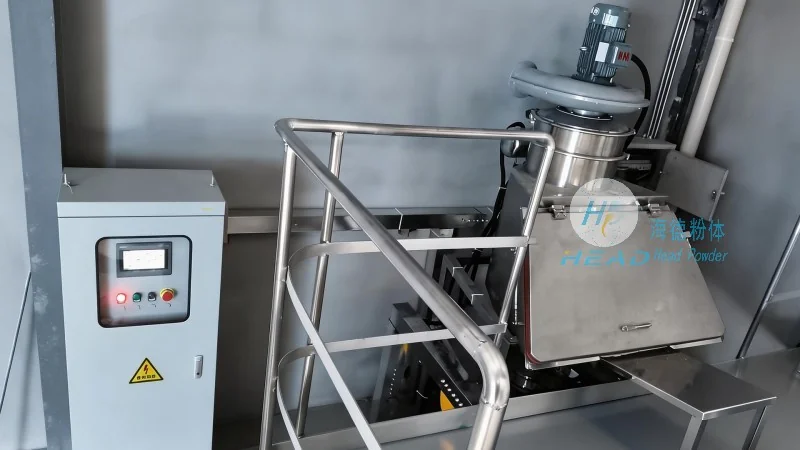
Key Features of Rapeseed Powder Pneumatic Conveying Equipment
Several notable features distinguish pneumatic conveying systems for rapeseed powder, making them ideal for industrial applications. Firstly, these systems offer high efficiency in material handling, capable of transporting large volumes of powder over considerable distances with minimal operational downtime. The design allows for airtight and dust-free operation, which is crucial for maintaining product quality and compliance with environmental regulations. Additionally, the equipment is highly flexible, accommodating various particle sizes and moisture contents of rapeseed powder. It can handle both dry and slightly moist powders without causing clumping or blockages. Another significant advantage is the reduced need for manual handling, enhancing workplace safety and reducing labor costs. The systems are also easy to integrate with existing production lines, providing seamless connectivity between storage, processing, and packaging stages. Furthermore, pneumatic conveying equipment is known for its low maintenance requirements, as it lacks moving parts that are prone to wear and tear, unlike mechanical conveyors. This contributes to long-term cost savings and operational reliability.
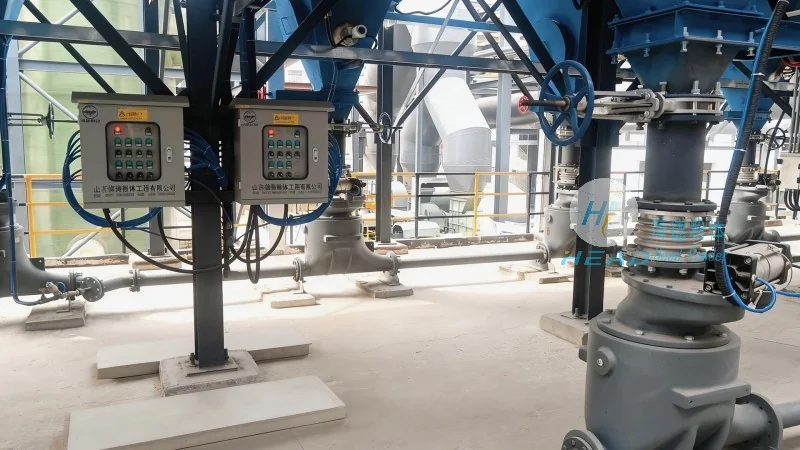
Applications and Benefits in the Rapeseed Industry
Rapeseed powder pneumatic conveying equipment is widely used in the processing of rapeseed for oil extraction, animal feed production, and biofuel manufacturing. In oil extraction facilities, the equipment efficiently transports the powder from storage silos to the extraction machinery, ensuring a consistent supply of raw material. For animal feed producers, it facilitates the transfer of rapeseed meal or cake from processing units to storage or packaging areas. The benefits extend to environmental sustainability, as pneumatic systems minimize dust emissions compared to traditional methods like bucket elevators or belt conveyors. This not only improves air quality in the workplace but also helps in meeting stringent environmental standards. The equipment's ability to handle fine powders without segregation or agglomeration is particularly valuable in maintaining the nutritional quality of the product. Overall, the adoption of pneumatic conveying systems in the rapeseed industry enhances productivity, reduces operational costs, and supports sustainable practices.