

Operation Process and Working Principle of Entrainment Type Powder Pneumatic Conveying Equipment
Entrainment type powder pneumatic conveying equipment is a critical piece of industrial machinery designed to transport bulk powder materials efficiently and reliably. This equipment plays a vital role in various industries, including chemical, food, pharmaceutical, and manufacturing, where the safe and effective movement of powders is essential for operational success. The design and functionality of such systems are tailored to handle a wide range of powder characteristics, ensuring minimal product degradation and optimal process control.
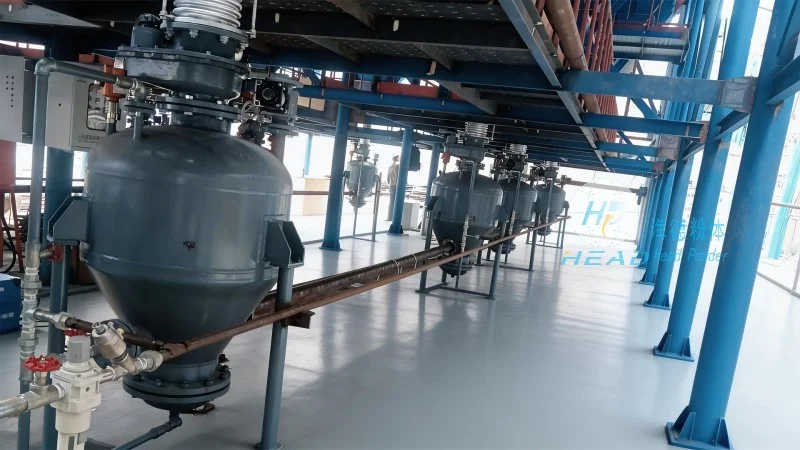
About HeadPowder: A Leading Manufacturer
HeadPowder, or Shandong HeadPowder Engineering Co., Ltd., is a prominent manufacturer based in Shandong, China. With a strong commitment to innovation and quality, the company specializes in the design, development, and production of advanced pneumatic conveying solutions. HeadPowder's expertise lies in creating customized equipment that meets the unique requirements of clients across different sectors, ensuring durability, efficiency, and compliance with industry standards.
Working Principle of Entrainment Type Powder Pneumatic Conveying
The core principle of entrainment type powder pneumatic conveying involves the use of compressed air to create a flow that entrains or pulls the powder particles along a pipeline. This method is particularly effective for transporting fine to medium-sized powders over moderate distances. The process typically begins with the powder being fed into a hopper or feeder, where it is then introduced into a pipeline in conjunction with the air stream. The air, moving at a high velocity, creates a negative pressure zone that draws the powder particles into the flow, forming a dense phase or dilute phase mixture depending on the system design.
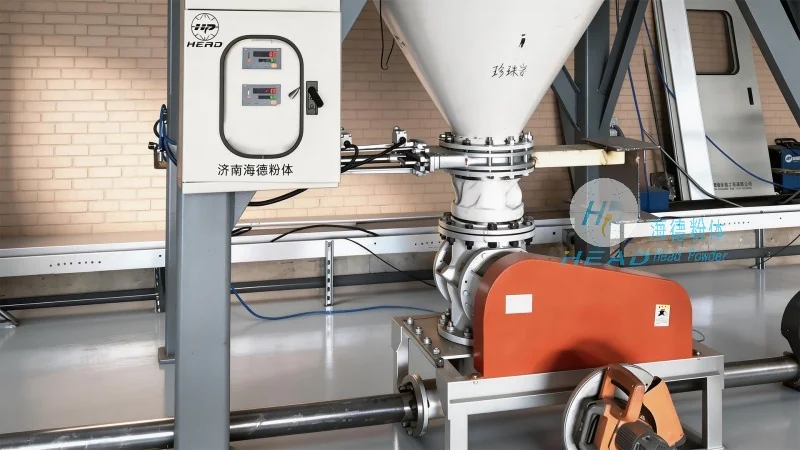
Step-by-Step Operation Process
The operation of entrainment type powder pneumatic conveying equipment can be broken down into several key steps. First, the powder is loaded into the hopper, which is equipped with a feeder mechanism to control the flow rate. The feeder then introduces the powder into the pipeline as the compressed air is supplied from a blower or compressor. The air and powder mixture travels through the pipeline, with the air velocity maintained at a level sufficient to keep the powder particles suspended. The system may include components such as bends, elbows, and filters to ensure smooth flow and prevent blockages. At the discharge end, the powder is separated from the air, often through a cyclone separator or filter, and collected in a receiving container. The air, now clean, is either vented to the atmosphere or recycled back into the system to enhance efficiency.
Key Components and Their Functions
Entrainment type powder pneumatic conveying systems consist of several key components, each playing a crucial role in the overall operation. The hopper or feeder is responsible for storing and controlling the powder feed rate, ensuring a consistent supply to the system. The blower or compressor provides the necessary compressed air to generate the conveying flow. The pipeline network transports the powder-air mixture from the feed point to the discharge point. Bends and elbows are used to change the direction of the flow, while filters and cyclone separators are essential for separating the powder from the air at the discharge end. These components work in harmony to ensure the efficient and reliable operation of the system.
Advantages of Entrainment Type Systems
Entrainment type powder pneumatic conveying equipment offers several advantages over other conveying methods. One of the primary benefits is the ability to transport powders over long distances without the need for multiple transfer points. The system is also relatively compact and can be installed in confined spaces, making it suitable for various industrial settings. Additionally, the equipment is capable of handling a wide range of powder types, including those that are abrasive or corrosive, without causing significant wear or damage. The process is also gentle on the powder, minimizing degradation and maintaining product quality. Furthermore, the system can be easily integrated with other process equipment, such as mixers or reactors, to form a complete production line.
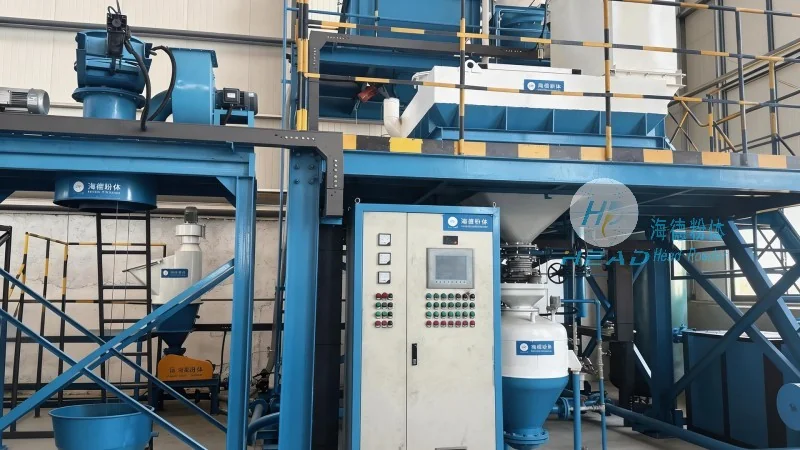
Applications in Different Industries
The versatility of entrainment type powder pneumatic conveying equipment makes it suitable for a wide range of applications across various industries. In the chemical industry, it is commonly used to transport raw materials and finished products, such as powders and granules. The food and pharmaceutical industries rely on this equipment to handle sensitive materials, ensuring that the powders are transported without contamination or degradation. In manufacturing, the equipment is used to move powders for coating, blending, and other processing steps. The ability to handle different powder characteristics and operate in various environments makes it a preferred choice for many industrial applications.
Conclusion
Entrainment type powder pneumatic conveying equipment is a highly effective and reliable solution for the transportation of bulk powders. With its efficient operation and ability to handle diverse powder types, it plays a crucial role in modern industrial processes. HeadPowder, as a leading manufacturer based in Shandong, China, continues to innovate and provide high-quality equipment that meets the evolving needs of its clients. By understanding the working principle and operation process of such systems, industries can optimize their material handling processes and improve overall productivity.