When it comes to foam pneumatic conveying systems, a critical decision for many industries is whether to opt for positive pressure or negative pressure operation. This choice significantly impacts system efficiency, cost, and operational safety. Understanding the fundamental differences between these two approaches is essential for selecting the most suitable solution for specific material handling needs. In this article, we will explore the key characteristics of positive and negative pressure systems, the factors influencing the choice, and how to effectively distinguish between them. Shandong HeadPowder Engineering Co., Ltd., a leading provider of pneumatic conveying solutions, specializes in designing and implementing foam pneumatic systems tailored to diverse industrial needs.
Understanding Positive Pressure Pneumatic Conveying
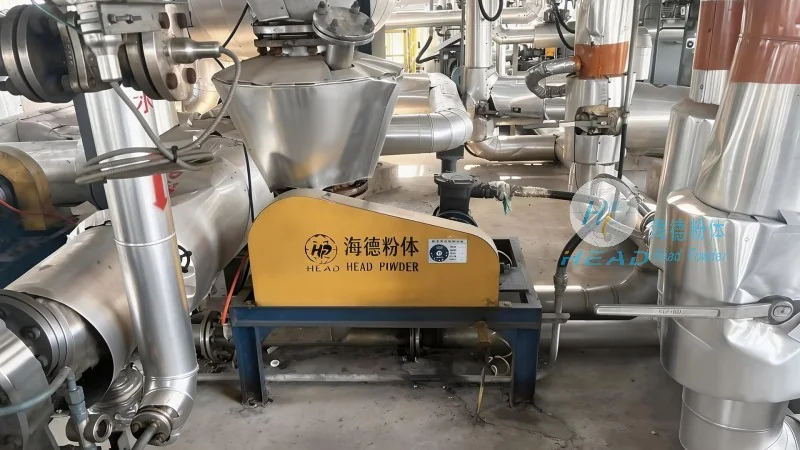
Positive pressure systems operate by blowing air or a foam mixture into the conveying line, creating a pressure higher than the ambient environment. This method is often preferred for applications requiring high material throughput and long-distance transport. The primary advantage of positive pressure is its ability to handle abrasive or corrosive materials without causing excessive wear on equipment. Additionally, positive pressure systems are generally more energy-efficient for short to medium distances, as they can maintain consistent pressure without the need for extensive vacuum recovery systems.
For foam pneumatic conveying, positive pressure ensures that the foam-air mixture is actively pushed through the pipeline, reducing the risk of blockages and ensuring reliable material transport. This is particularly beneficial in processes where the material is sensitive to moisture or requires gentle handling. The system design typically includes a foam generator, which mixes air with a foaming agent to create the desired foam consistency. The positive pressure then propels this mixture through the conveying line to the destination point, such as a storage silo or processing unit.
Exploring Negative Pressure Pneumatic Conveying
Negative pressure systems, on the other hand, rely on creating a vacuum or lower pressure within the conveying line compared to the ambient air. This approach draws material into the system using suction, making it ideal for applications where the material source is elevated or where the process requires a closed environment to prevent dust emissions. Negative pressure systems are commonly used in industries like pharmaceuticals, food processing, and fine powders, where maintaining a clean and controlled environment is paramount.
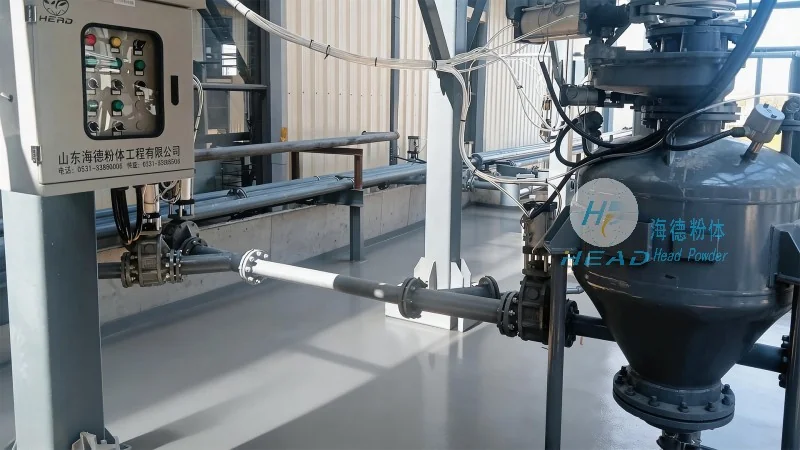
In foam pneumatic conveying, negative pressure works by pulling the foam-air mixture from the source point into the pipeline. The vacuum created helps in capturing fine particles and ensuring complete material transfer. However, negative pressure systems may require more maintenance due to the higher risk of clogging and the need for robust filtration systems to prevent dust from entering the vacuum pump. The energy consumption is also higher compared to positive pressure, especially for long-distance applications, as the system must continuously maintain the vacuum level.
Distinguishing Between Positive and Negative Pressure Systems
The choice between positive and negative pressure for foam pneumatic conveying depends on several key factors, including the material characteristics, transport distance, and operational environment. Material properties such as particle size, moisture content, and abrasiveness play a crucial role. For example, abrasive materials are better suited for positive pressure due to the reduced wear on components, while fine, dust-sensitive materials may benefit from negative pressure to minimize contamination.
Transport distance is another critical consideration. Positive pressure systems are generally more efficient for short to medium distances, typically up to several hundred meters, as they can maintain pressure without significant loss. Negative pressure systems, while effective for shorter distances, may face challenges in maintaining vacuum over longer runs, leading to reduced material flow rates. The operational environment also influences the choice; for outdoor applications or where space is limited, positive pressure might be more practical due to its simpler setup and lower maintenance requirements.
Key Considerations for Selecting the Right System
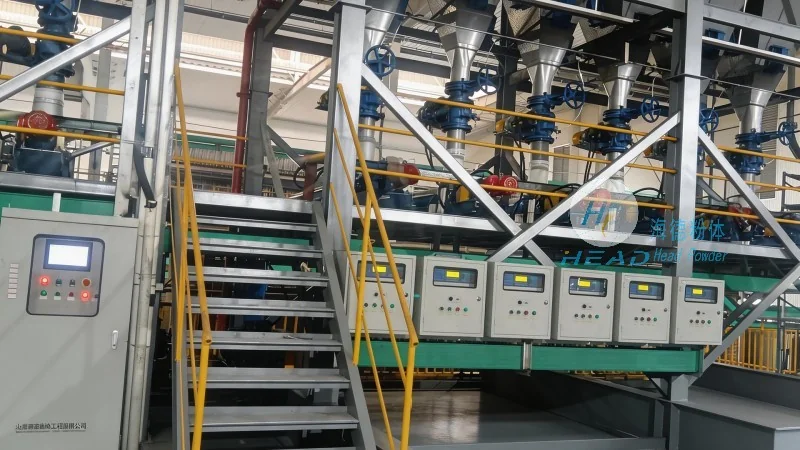
When deciding between positive and negative pressure for foam pneumatic conveying, it is essential to evaluate the specific requirements of the application. The cost of equipment, energy consumption, and maintenance needs should be weighed against the benefits of each system. Positive pressure systems often have lower initial costs and are easier to install, making them attractive for budget-conscious projects. However, they may require more frequent filter changes and system checks to prevent clogging. Negative pressure systems, though more expensive upfront, offer superior containment and are ideal for applications where dust control is critical.
Another factor to consider is the impact on the surrounding environment. Positive pressure systems may release some air and foam mixture into the environment, potentially causing noise or odor issues. Negative pressure systems, by contrast, are more enclosed and help in maintaining a clean working area. The choice also depends on the available infrastructure, such as the presence of vacuum pumps or compressed air systems. If a facility already has a compressed air system, positive pressure may be more straightforward to integrate. Conversely, if the process requires a sealed environment, negative pressure is the preferred option.
Conclusion
Choosing between positive and negative pressure for foam pneumatic conveying is a critical decision that impacts the efficiency, safety, and cost-effectiveness of material handling operations. Positive pressure systems offer high throughput and are suitable for abrasive materials and shorter distances, while negative pressure systems excel in dust control and are ideal for fine, sensitive materials. By carefully evaluating material properties, transport requirements, and operational constraints, industries can select the most appropriate system to ensure reliable and efficient foam pneumatic conveying. Whether opting for positive or negative pressure, the goal is to achieve optimal performance while maintaining compliance with industry standards and environmental regulations.




