

Technical Analysis of Feed Pellet Pneumatic Conveying Systems: Comparison of Positive Pressure vs. N
For industries dealing with feed pellets, efficient and reliable material handling is crucial to maintaining production efficiency and product quality. Pneumatic conveying systems have emerged as a key solution for transporting feed pellets from storage to processing or packaging areas. Among the various pneumatic conveying technologies, the choice between positive pressure and negative pressure systems is a critical decision that impacts system performance, cost, and operational safety. This article provides a technical analysis of feed pellet pneumatic conveying systems, focusing on the comparison between positive pressure and negative pressure conveying modes.
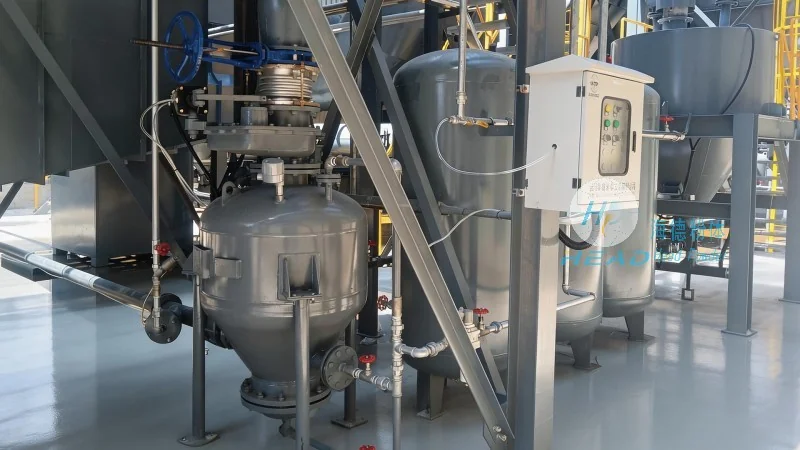
Overview of Pneumatic Conveying Systems for Feed Pellets
Pneumatic conveying systems utilize air or gas to transport bulk materials like feed pellets through a pipeline network. These systems are widely used in the feed industry due to their ability to handle abrasive materials, minimize product contamination, and achieve high conveying rates. The primary components of a pneumatic conveying system include a material feed hopper, a conveying line, a separator or filter, and a dust collection system. The choice of conveying mode—positive pressure or negative pressure—determines how air is introduced into the system and how material is moved through the pipeline.
Positive Pressure Conveying Mode: Principles and Applications
Positive pressure conveying systems operate by blowing air or gas into the conveying line, creating a pressure higher than the ambient air pressure. This method propels the feed pellets forward through the pipeline. The system typically includes a blower or compressor that supplies compressed air, and the material is drawn into the line by the pressure differential. Positive pressure systems are commonly used for short to medium-distance conveying, with typical distances ranging from 50 to 500 meters. They are particularly suitable for applications where the feed pellets are relatively dry and free-flowing, as the high pressure helps maintain material flow and prevents blockages.
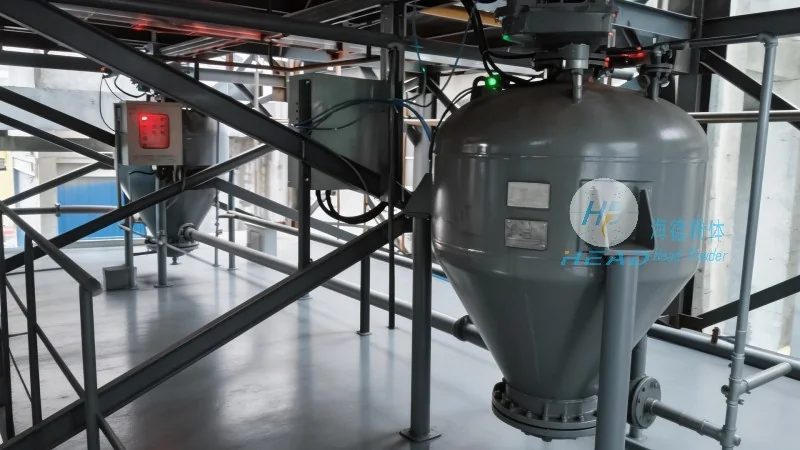
Negative Pressure Conveying Mode: Principles and Applications
Negative pressure conveying systems, also known as suction systems, operate by creating a vacuum in the conveying line, which draws feed pellets into the system. The system uses a vacuum pump or fan to reduce pressure inside the pipeline, causing ambient air to carry the material from the source to the destination. Negative pressure systems are ideal for longer conveying distances, often up to several kilometers, and are commonly used in applications where the feed pellets are dusty or require a more gentle handling process. The lower pressure in the line reduces the risk of material degradation and is better suited for materials that are more prone to attrition.
Key Technical Considerations in Feed Pellet Pneumatic Conveying
When selecting between positive and negative pressure conveying modes for feed pellets, several technical factors must be considered. These include the material characteristics of the feed pellets, such as particle size, moisture content, and abrasiveness, as well as the conveying distance and required throughput. Positive pressure systems generally offer higher conveying rates and are more effective for handling dry, free-flowing pellets, while negative pressure systems are better for longer distances and more delicate materials. The system design also needs to account for the air volume and pressure requirements, which directly impact energy consumption and operational costs. Additionally, the choice of components, such as the blower or vacuum pump, and the pipeline layout, including bends and fittings, plays a critical role in ensuring efficient and reliable operation.
Performance Comparison: Positive Pressure vs. Negative Pressure
Comparing the performance of positive and negative pressure conveying modes reveals distinct advantages and limitations. Positive pressure systems typically provide higher conveying velocities and can handle larger volumes of material, making them suitable for high-throughput applications. However, they require more energy input due to the higher pressure and may generate more noise and vibration. Negative pressure systems, on the other hand, are more energy-efficient for long-distance conveying and produce less noise, but they may have lower conveying rates and are more susceptible to clogging if the feed pellets are not properly conditioned. The choice between the two modes often depends on the specific operational requirements and the characteristics of the feed pellets being handled.
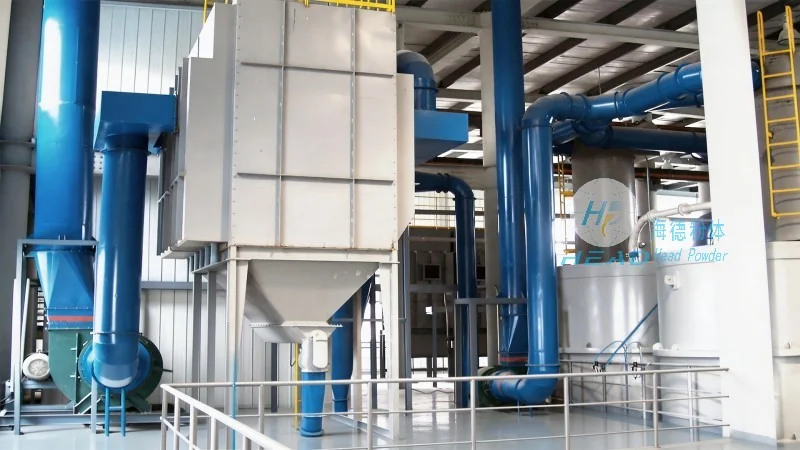
Case Study: Application in Feed Processing Facilities
Shandong HeadPowder Engineering Co., Ltd., a leading provider of engineering solutions for the feed industry, has extensive experience in designing and implementing pneumatic conveying systems for feed pellets. One of their recent projects involved installing a positive pressure conveying system in a large feed mill located in China. The system was designed to transport 10 tons of feed pellets per hour over a distance of 300 meters from the storage silo to the processing line. The system utilized a high-efficiency blower and a specially designed pipeline with minimal bends to ensure smooth material flow. The positive pressure mode proved effective in maintaining consistent conveying rates and preventing material degradation, resulting in improved production efficiency and reduced downtime. This case study highlights the importance of selecting the appropriate conveying mode based on operational needs and material characteristics.
Conclusion and Recommendations
In conclusion, the choice between positive pressure and negative pressure conveying modes for feed pellet pneumatic systems is a critical decision that impacts system performance, cost, and operational safety. Positive pressure systems are generally more suitable for short to medium-distance conveying of dry, free-flowing feed pellets, offering higher conveying rates and reliability. Negative pressure systems are better suited for longer distances and more delicate materials, providing energy efficiency and gentler handling. When designing a pneumatic conveying system, it is essential to consider the material properties, conveying distance, and operational requirements to select the most appropriate mode. Shandong HeadPowder Engineering Co., Ltd. offers expert engineering services to help feed processing facilities choose and implement the optimal pneumatic conveying system, ensuring efficient material handling and improved overall performance.