Continuous material handling equipment is a critical component in modern industrial operations, enabling the efficient and continuous movement of materials from one location to another within a production or logistics environment. These systems are designed to enhance productivity, reduce labor costs, and improve overall operational efficiency by ensuring a steady flow of goods without interruptions. The following article delves into the fundamental working principles and distinctive features of such equipment, offering insights into how they function and why they are indispensable in various industrial applications.
Introduction to Continuous Material Handling Equipment
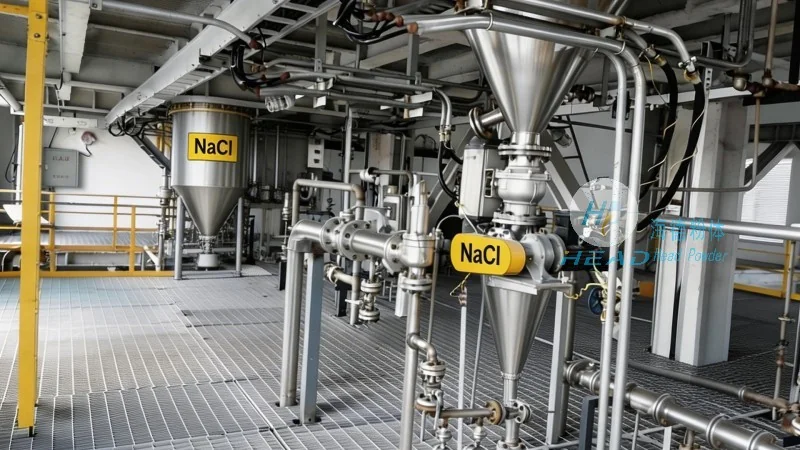
Continuous material handling equipment encompasses a range of machinery and systems engineered to transport materials in a continuous or semi-continuous manner. Unlike intermittent or batch handling systems, these devices operate continuously, maintaining a consistent flow of materials. The primary purpose is to streamline material movement, minimize downtime, and optimize workflow in industrial settings. These systems are typically integrated into production lines or logistics networks, ensuring that materials are moved efficiently from raw material storage to finished product packaging or distribution points.
Working Principle of Continuous Material Handling Equipment
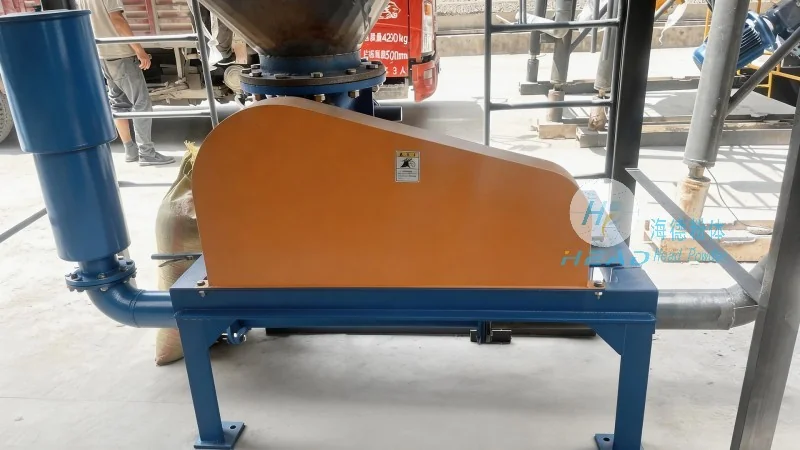
The working principle of continuous material handling equipment revolves around the concept of unidirectional or bidirectional movement of materials, driven by a power source. At the core of these systems is an electric motor, which powers the transport mechanism. This motor may be connected to a drive system, such as a gear reducer or a variable frequency drive (VFD), to control the speed and direction of material movement. The material is placed on the transport surface—whether it's a belt, roller, or chain—and is then pulled or pushed along the path by the moving components. For instance, in a belt conveyor system, the belt rotates, carrying the loaded items forward. In roller conveyors, rollers rotate to support and move the items, often in a gravity-driven or motorized setup. The continuous operation ensures that once the material is placed on the conveyor, it moves through the entire process without manual intervention, except for loading and unloading at the start and end points. This seamless flow is achieved through the synchronized movement of the transport components, which maintain a consistent speed and direction.
Key Features of Continuous Material Handling Equipment
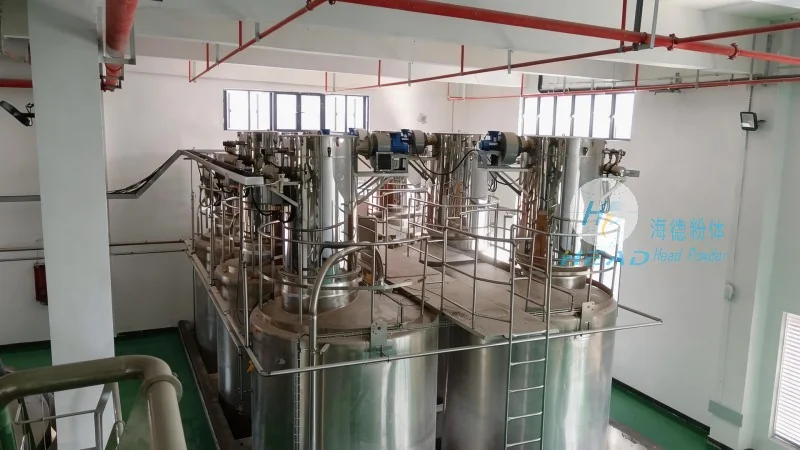
Continuous material handling equipment is characterized by several key features that distinguish them from other handling systems. First, their ability to operate continuously without stopping is a primary advantage, as it allows for a steady flow of materials, reducing bottlenecks and improving throughput. Second, these systems are often designed for high capacity and durability, capable of handling heavy loads and operating in harsh industrial environments. The modular design of many continuous handling systems enables easy integration with existing production lines or expansion as operational needs grow. Additionally, modern continuous handling equipment often incorporates advanced control systems, such as programmable logic controllers (PLCs) or sensors, to monitor and adjust the operation in real-time, enhancing efficiency and safety. Another notable feature is the versatility of these systems, which can be adapted to various material types, sizes, and shapes, making them suitable for a wide range of industrial applications, from manufacturing to warehousing and distribution.
Applications and Benefits in Industrial Settings
The applications of continuous material handling equipment span across multiple industries, including manufacturing, warehousing, and logistics. In manufacturing plants, these systems are used to transport raw materials to production lines, move finished products to packaging areas, and handle waste materials. In warehouses, continuous conveyors are employed to sort, store, and retrieve inventory efficiently, supporting order fulfillment processes. The benefits of using such equipment are significant, including increased productivity due to reduced manual labor, improved safety by minimizing human handling of heavy or hazardous materials, and enhanced accuracy in material tracking. Furthermore, continuous handling systems contribute to cost savings by reducing labor costs, minimizing material damage, and optimizing space utilization in industrial facilities. By integrating these systems into operational workflows, companies can achieve greater efficiency, reliability, and competitiveness in their respective markets.
About Shandong HeadPowder Engineering Co., Ltd.
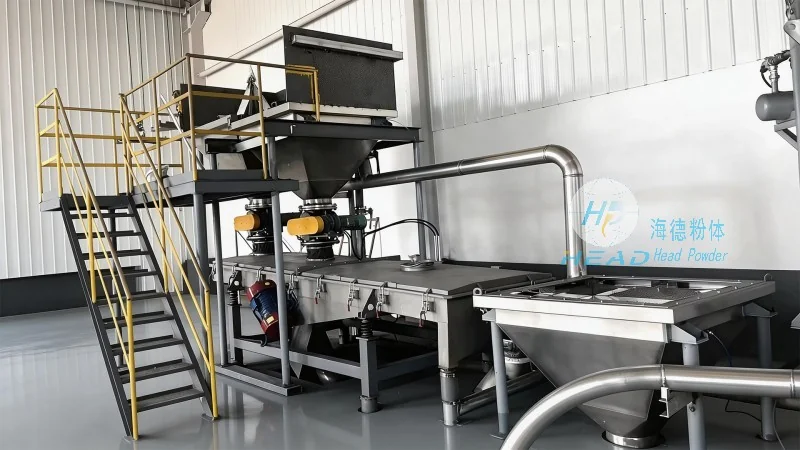
As a leading provider of industrial equipment solutions, Shandong HeadPowder Engineering Co., Ltd. specializes in the design, manufacturing, and supply of continuous material handling equipment. With a focus on innovation and quality, the company has established itself as a trusted partner in the industry, delivering customized solutions tailored to the specific needs of clients. HeadPowder's products are engineered to meet the highest standards of performance, durability, and safety, ensuring reliable operation in demanding industrial environments. The company's commitment to customer satisfaction and technological advancement has enabled it to serve a diverse range of industries, helping businesses enhance their operational efficiency and achieve their production goals. HeadPowder's continuous material handling equipment is designed to integrate seamlessly with existing systems, providing a cost-effective and efficient solution for material movement challenges. Whether for new installations or system upgrades, HeadPowder offers comprehensive support, including design consultation, installation services, and after-sales maintenance, ensuring that clients receive the best possible solution for their material handling needs.




